São Paulo Court Upholds $82 Million Payment Order Against Transport Consortium
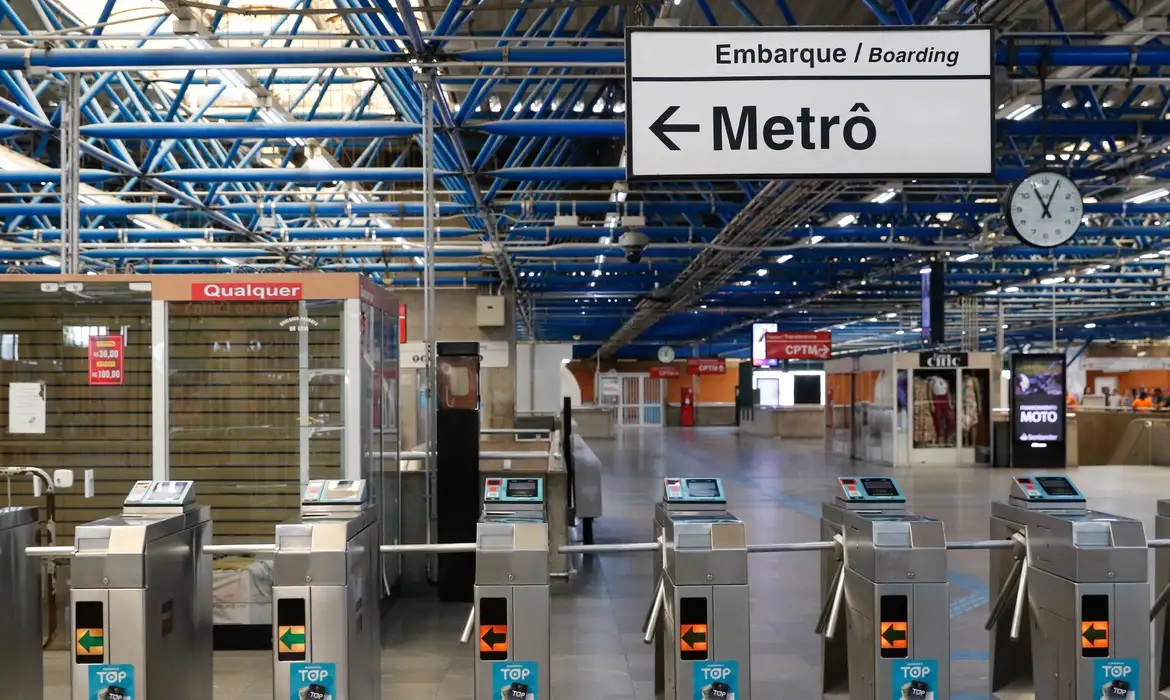
The São Paulo Court of Justice (TJ-SP) has upheld a ruling ordering the Metropolitan Transport Consortium (CMT) to resume payments to the São Paulo Metro, which were halted in February 2022. The consortium, responsible for managing intermunicipal bus company revenues in Greater São Paulo, stopped transferring funds from the "BOM" transport card to the Metro after its commercialization ended and was replaced by the "TOP" system in 2022. The Metro claims this "default" amounts to approximately R$ 82 million as of March 2025, with the final sum to be determined during the sentence liquidation phase. The CMT argued that the revenue distribution system was "tacitly" revoked by the system change, but the court rejected this, stating the argument lacks legal basis. Judges unanimously confirmed the initial ruling, emphasizing that the BOM to TOP migration did not nullify the existing agreement, which remains valid until June 2027. They reasoned that since credits loaded onto BOM cards before the transition are still being used by passengers on Metro and CPTM (Metropolitan Train Company) services, the resulting revenue must be shared according to the original agreement. The court found the CMT's retention of these funds, which were received in advance by the consortium, to be an "evident contractual breach." A separate lawsuit filed by CPTM, based on similar grounds, is seeking R$ 37.6 million in withheld payments from the CMT. The consortium's additional arguments, including claims of prior overpayments and that Metro should not receive payments for lines operated by private concessions, were also dismissed by the magistrates. The court clarified that revenue from the BOM system was divided by transport modality (rail and road) and not by operator, and that private concessionaires have separate financial compensation mechanisms.
This judicial decision highlights a critical governance challenge in public transportation revenue management, particularly during system transitions. The court's ruling underscores the importance of clear contractual obligations and the legal ramifications of unilaterally altering revenue-sharing agreements. The case demonstrates how legacy payment systems, even after being superseded, can continue to generate financial obligations if outstanding credits remain valid. This situation points to a systemic need for more robust contingency planning and dispute resolution mechanisms within public-private transport partnerships to prevent significant financial disputes and ensure operational continuity for public services. Future frameworks should anticipate the complexities of digital payment evolution and its impact on inter-agency and inter-company financial flows.
AI-generated to prompt reflection — not editorial opinion, not advice, not a statement of fact. How this works.