São Paulo Court Upholds Fine for Águas de Santa Bárbara Over Bridge Fall Fatality
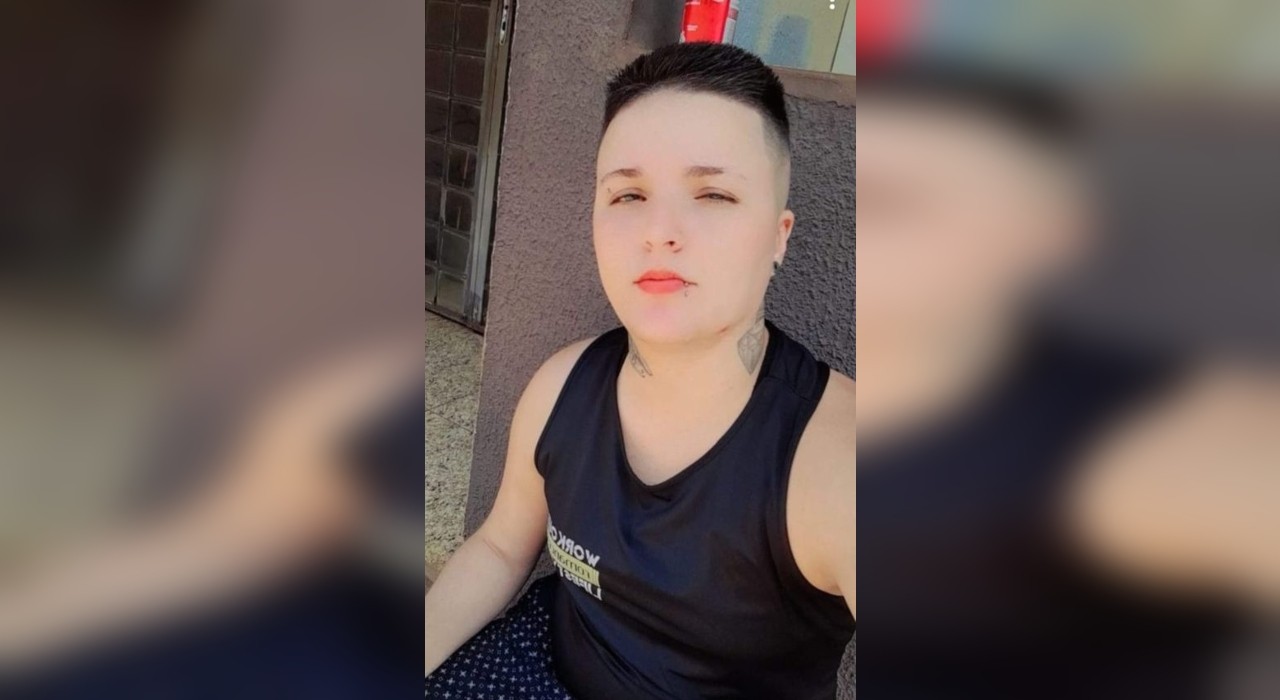
The São Paulo Court of Justice (TJ-SP) has upheld a prior ruling that orders the Municipality of Águas de Santa Bárbara to compensate the mother of a young woman who died after falling from a bridge in the Parque dos Lagos. The incident occurred in March 2024 when Ágatha Petria Rodrigues Carvalho lost her balance while attempting to jump from a wooden bridge into the lake. A plank on the bridge gave way, causing her to hit her head before falling into the water. The impact resulted in a spinal injury, leading to tetraplegia. She was rescued by her brother and taken to a health facility, but succumbed to her injuries a week later. The court acknowledged shared fault between the victim and the municipality, setting the moral damages compensation at 50 minimum wages. The appellate court noted that the accident happened on a busy Easter Sunday and that the municipality failed to implement adequate safety measures, such as public agents to monitor risky behavior and provide assistance. Evidence indicated the bridge's poor condition, with a missing plank contributing to the imbalance during her jump. The decision was made by a majority vote, with presiding judge Marcos Rogério Sanches Cruz Geraldo and appellate judges Edson Ferreira, Souza Meirelles, Jayme de Oliveira, Souza Nery, and J.M. Ribeiro de Paula participating. The municipality had not responded to requests for comment by the time of the report.
This ruling highlights the critical intersection of public safety infrastructure and municipal responsibility. The court's finding of concurrent fault suggests a need for robust risk assessment and preventative maintenance protocols for public recreational spaces, particularly during peak usage times. The decision underscores the importance of proactive governance in anticipating and mitigating potential hazards, rather than reacting after an incident. Looking ahead, municipalities face increasing pressure to balance accessibility and recreational opportunities with stringent safety standards, especially as climate change and aging infrastructure present new challenges. Effective management will require integrating data-driven maintenance schedules and real-time safety monitoring systems to ensure public well-being.
AI-generated to prompt reflection — not editorial opinion, not advice, not a statement of fact. How this works.