São Paulo Creates Task Force for Road Race Safety Protocol After Runner's Death
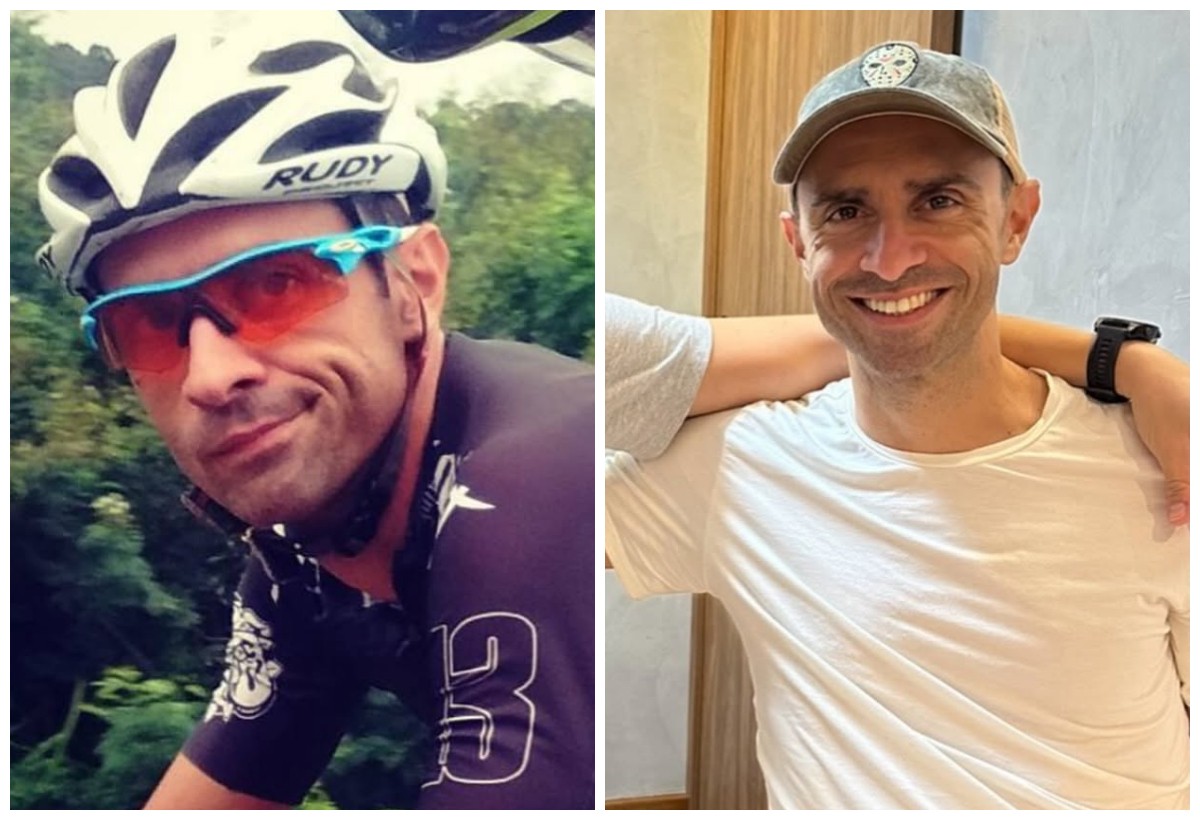
The São Paulo City Hall has established a working group to develop a safety and health protocol for road races and similar public events. This initiative, published on Tuesday, May 28th, follows the death of 50-year-old amateur athlete and advertising executive Julio Barreto. Barreto suffered cardiac arrest shortly after completing the SP City Marathon's half-marathon on Sunday, May 26th. The task force, mandated by Mayor Ricardo Nunes, has 20 days to propose minimum safety and emergency medical care standards for these events. Its responsibilities include diagnosing current requirements, defining medical emergency service parameters, and outlining a clear division of responsibilities among involved agencies for event authorization, organization, monitoring, and enforcement. The Municipal Secretariat of Sports and Leisure will also manage the road race calendar, ensuring compatibility with other large-scale city events. The group is authorized to invite external experts and representatives from various public and private entities to contribute to the protocol. Barreto, who worked at Danone in specialized nutrition and oncology, had a background in long-distance running and cycling, having transitioned to road races in 2021. He was a member of the Vila Leopoldina Road Runners group, which issued a heartfelt tribute to him. Organizers Iguana Sports stated that Barreto received prompt medical attention and resuscitation efforts at the event site before being transferred to a hospital, where he ultimately passed away. The incident was registered as a natural death.
The creation of a dedicated task force to establish safety protocols for public road races in São Paulo represents a reactive, yet necessary, institutional response to a tragic event. While the immediate establishment of such a group aims to prevent future occurrences, it highlights a potential systemic gap in pre-event risk assessment and emergency preparedness for mass sporting events. The 20-day timeline for protocol development suggests an urgent need for standardized guidelines, particularly concerning medical support infrastructure and inter-agency coordination. Future iterations of such protocols should consider proactive health screenings for participants, real-time monitoring during events, and robust contingency plans that extend beyond immediate on-site response, reflecting the increasing scale and frequency of urban athletic competitions in the coming decade.
AI-generated to prompt reflection — not editorial opinion, not advice, not a statement of fact. How this works.