São Paulo Electoral Court Upholds Mogi das Cruzes Councilor's Removal
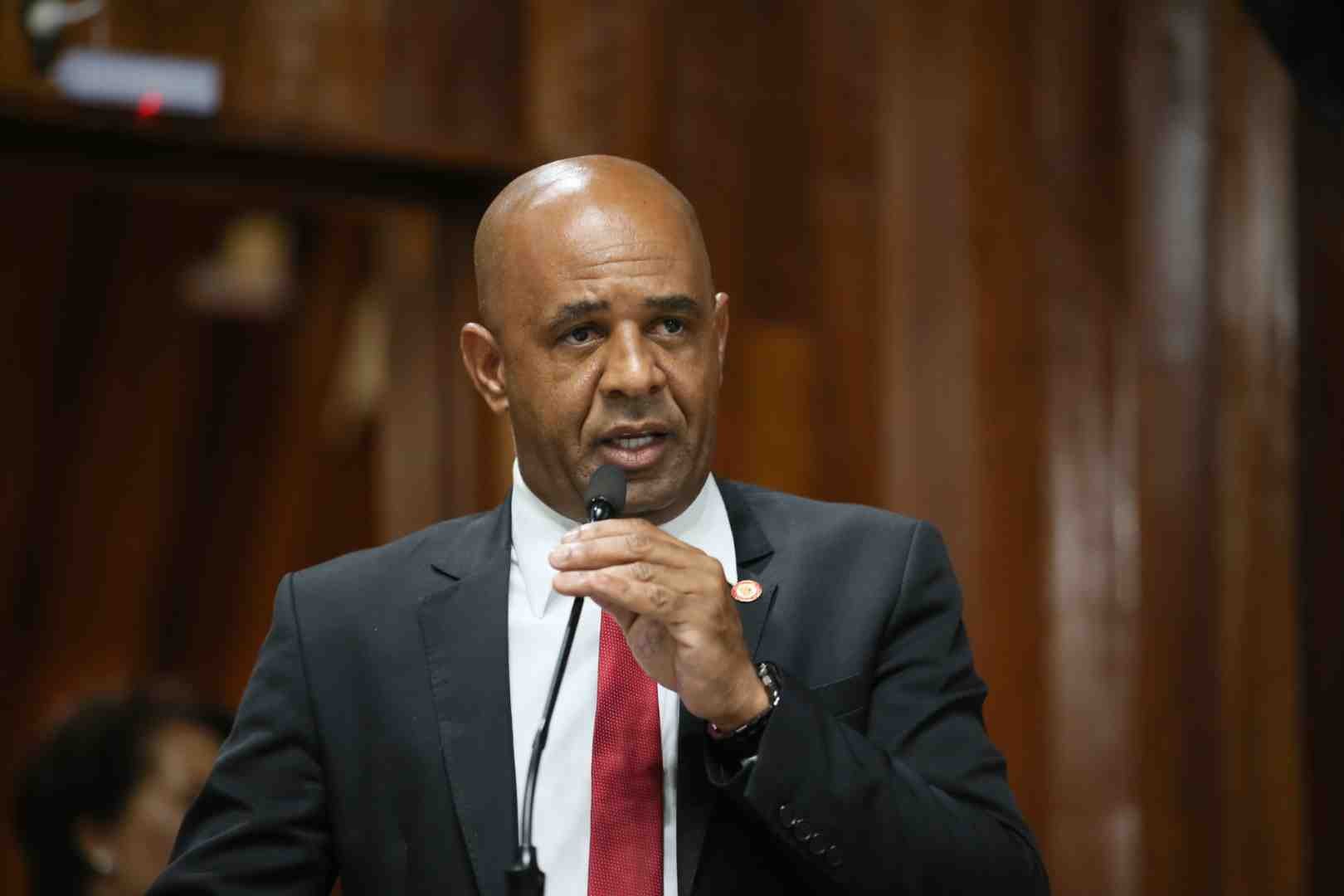
The Regional Electoral Court of São Paulo (TRE-SP) has denied an appeal by Mogi das Cruzes councilor Juliano Malaquias Botelho (PL), upholding a prior decision to revoke his mandate. The initial ruling found that the Brazilian Socialist Party (PSB) committed fraud against the gender quota during the 2024 municipal elections. Consequently, all of the PSB's votes from the 2024 election have been annulled, and Botelho is no longer considered elected. The court did not deem him ineligible for future office. The TRE-SP also rejected a request for a stay of execution, meaning the cassation order must be enforced, removing the parliamentarian from his position. This decision follows a previous mandate revocation on April 16th, based on allegations that the party registered a fictitious candidate, known as a 'laranja' or 'orange' candidate, to falsely meet the legal requirement of having at least 30% female candidates. Such fraudulent candidacies typically receive minimal votes and conduct no actual campaigning. In this instance, the candidate in question, Talita Pereira, received only two votes and has now been declared ineligible for eight years. Following the reprocessing of votes, José Maurício da Silva, also known as 'Fio da Vila Jóia', is now considered elected.
This case highlights a systemic vulnerability in electoral regulations designed to promote gender parity. The TRE-SP's decision underscores the legal ramifications of "laranja" candidacies, intended to circumvent gender quotas rather than genuinely support female political participation. While the ruling invalidates votes and removes the implicated councilor, it also raises questions about the effectiveness of current enforcement mechanisms and the integrity of electoral processes. The focus on individual accountability, while necessary, may distract from the broader need to reform party structures and campaign finance oversight to prevent such fraudulent practices. Future electoral reforms could explore more robust verification of candidate intent and campaign activity, alongside stricter penalties for parties found to be exploiting quotas for political gain, ensuring that the spirit of gender representation is upheld.
AI-generated to prompt reflection — not editorial opinion, not advice, not a statement of fact. How this works.