São Paulo Evicts Historic Football Club for New Park Development
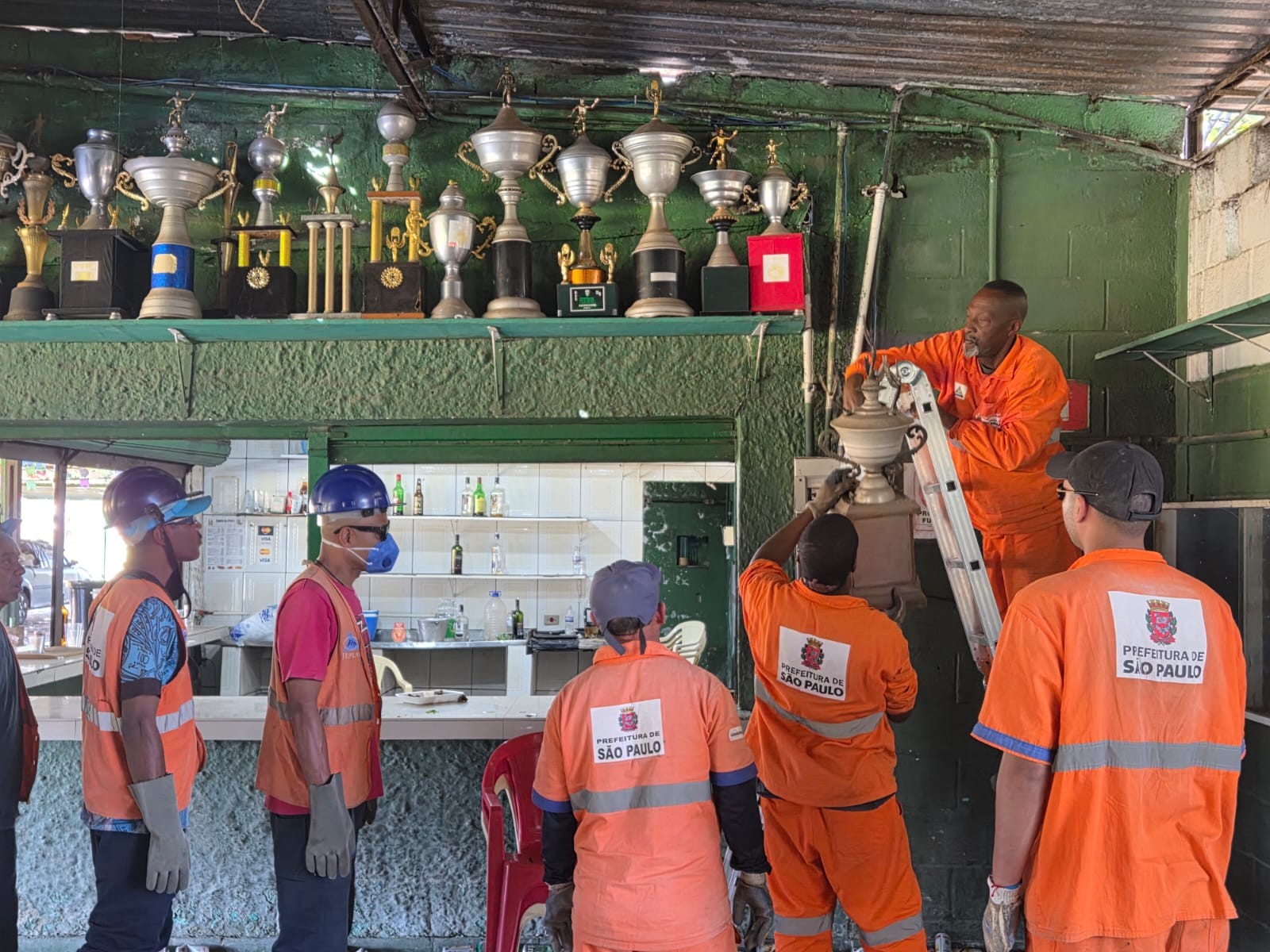
The Grêmio Esportivo Cruz da Esperança, a beloved amateur football club with nearly five decades of history at Campo de Marte in São Paulo's North Zone, was forcibly evicted on Wednesday, May 29th. City hall employees oversaw the clearing of the club's premises, which also hosted cultural events like the popular Samba do Cruz, ahead of planned demolitions. Club president Antônio de Jesus Marcos, 71, expressed deep sadness, likening the loss to losing a family and highlighting that generations of his community were raised at the club, which he joined in 1979. The club occupied a small portion of the 385,000 m² Campo de Marte site, slated for the construction of the future Parque Campo de Marte. This eviction is part of a 35-year concession agreement between the city and Consórcio Cântaro for the development of a leisure complex. According to the São Paulo Prefecture, Cruz da Esperança's refusal to vacate hindered the transfer of the land to the concessionaire. While other clubs on the site reached agreements, the Prefecture claims Cruz da Esperança unilaterally abandoned negotiations and ignored eviction notices. The concessionaire offered the club the use of future football fields within the park, but Cruz da Esperança rejected this, fearing it would jeopardize their cultural activities, including weekend samba events that provide financial support. A farewell samba event the night before drew approximately three thousand people in protest. The space also served as a cultural hub for Black manifestations like capoeira and Candomblé for decades, with a Candomblé priestess, Keize Oliveira, describing the loss as heartbreaking. Opposition lawmakers attempted to negotiate a delay to allow for the removal of religious altars according to traditional rituals. The club's belongings were moved to a nearby warehouse as its future remains uncertain. The Campo de Marte was a significant amateur football hub since the 1970s, with six fields and club headquarters. The land's transfer to the municipality in 2022 paved the way for the R$ 202 million park project by Consórcio Cântaro, expected to benefit around 300,000 residents. Cruz da Esperança had launched a petition to be recognized as a cultural heritage site, gathering 26,000 signatures.
The eviction of Grêmio Esportivo Cruz da Esperança from Campo de Marte illustrates a common tension between urban development initiatives and established community spaces. While the city's objective of creating a large public park with private investment aims to benefit a wider population, the displacement of a long-standing cultural and sporting hub raises questions about equitable urban planning. The Prefecture's statements emphasize legal compliance and the club's alleged non-cooperation, contrasting with the club's narrative of preserving cultural heritage and community identity. The conflict highlights the challenge of balancing economic development and public amenity creation with the preservation of social fabric and intangible cultural assets. Future urban planning frameworks might benefit from more robust mechanisms for community consultation and the integration of existing cultural and social value into development proposals, rather than treating them as obstacles to be removed.
AI-generated to prompt reflection — not editorial opinion, not advice, not a statement of fact. How this works.