São Paulo Exonerates Six Officials Over Suspected $1 Billion Bid-Rigging Fraud
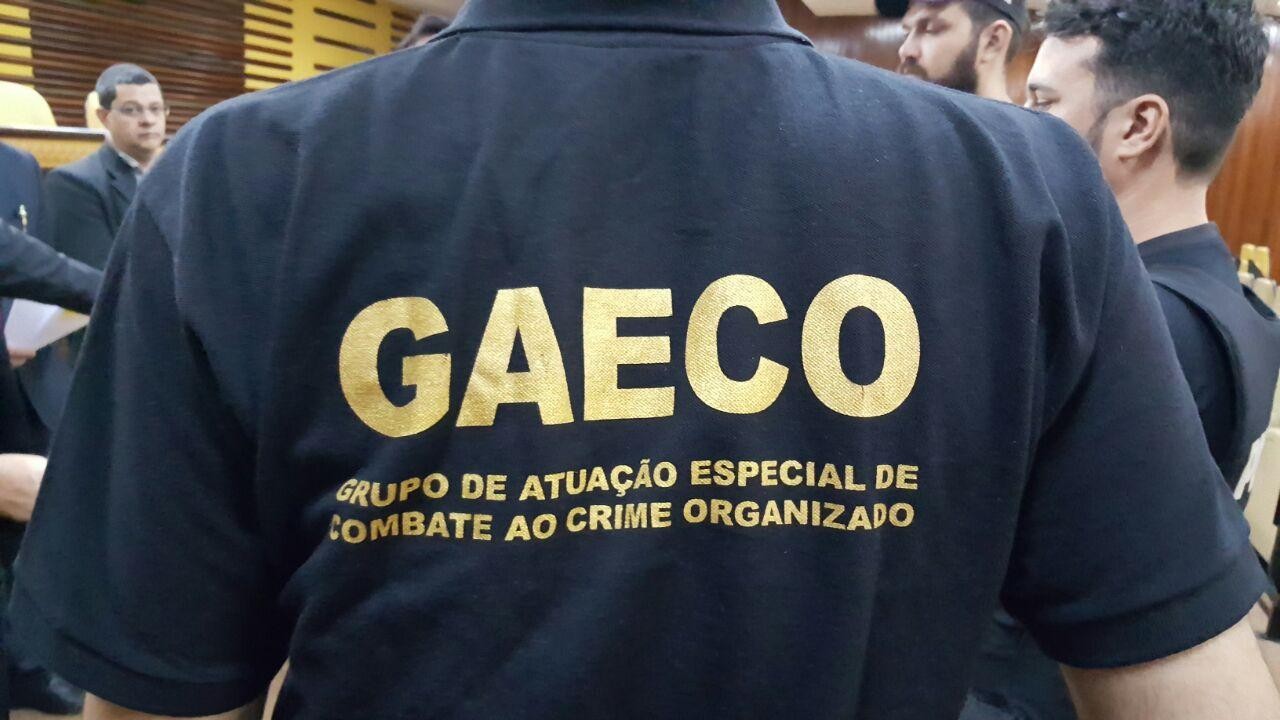
The São Paulo City Hall has confirmed the dismissal of six civil servants suspected of involvement in irregularities concerning public tenders. Two of these former employees were specifically targeted by an operation launched on Tuesday, November 7th, by the Public Prosecutor's Office of São Paulo. This investigation centers on alleged fraud in the procurement of air conditioning units, a contract valued at R$1 billion (approximately $200 million USD). According to Mayor Ricardo Nunes' administration, the dismissals occurred in March of this year. Crucially, the city administration itself brought the suspicions of misconduct to the attention of municipal prosecutors, initiating the investigation by the Special Group for Combating Organized Crime (Gaeco). The operation, named 'Ar Frio' (Cold Air), aims to gather evidence, including documents and digital information, from the residences of the two former officials in the capital and its metropolitan region. Investigators suspect that the assets accumulated by the implicated individuals are inconsistent with their declared incomes, suggesting potential illicit enrichment. Evidence also points towards the possibility of assets being registered under third parties to conceal their true ownership and the origins of funds used for acquisitions. The probe is examining whether these actions constitute crimes of corruption, bid rigging, and money laundering. In addition to the searches, mobile phones belonging to the targets were seized. Significant amounts of cash, totaling over R$151,000 and US$3,000, were found at the home of one former employee, while another was found with R$8,000 and US$1,000 in safes.
The São Paulo city administration's proactive disclosure of its internal investigation and subsequent referral of suspected fraud to prosecutors highlights a potential shift towards greater transparency in public procurement. By preemptively dismissing implicated officials and cooperating with the Public Prosecutor's Office, the administration seeks to mitigate reputational damage and reinforce its commitment to ethical governance. However, the scale of the alleged R$1 billion fraud in air conditioning procurement raises systemic questions about oversight mechanisms within municipal bidding processes. The investigation's focus on potential illicit enrichment and the use of third-party asset registration suggests sophisticated methods of corruption that demand robust anti-fraud frameworks. Moving forward, the city may need to enhance its auditing capabilities and implement more stringent due diligence protocols to prevent future occurrences and ensure public funds are managed responsibly in an era increasingly vulnerable to complex financial schemes.
AI-generated to prompt reflection — not editorial opinion, not advice, not a statement of fact. How this works.