São Paulo Expands Vaccination Campaign Amid Measles Surge and Polio Concerns
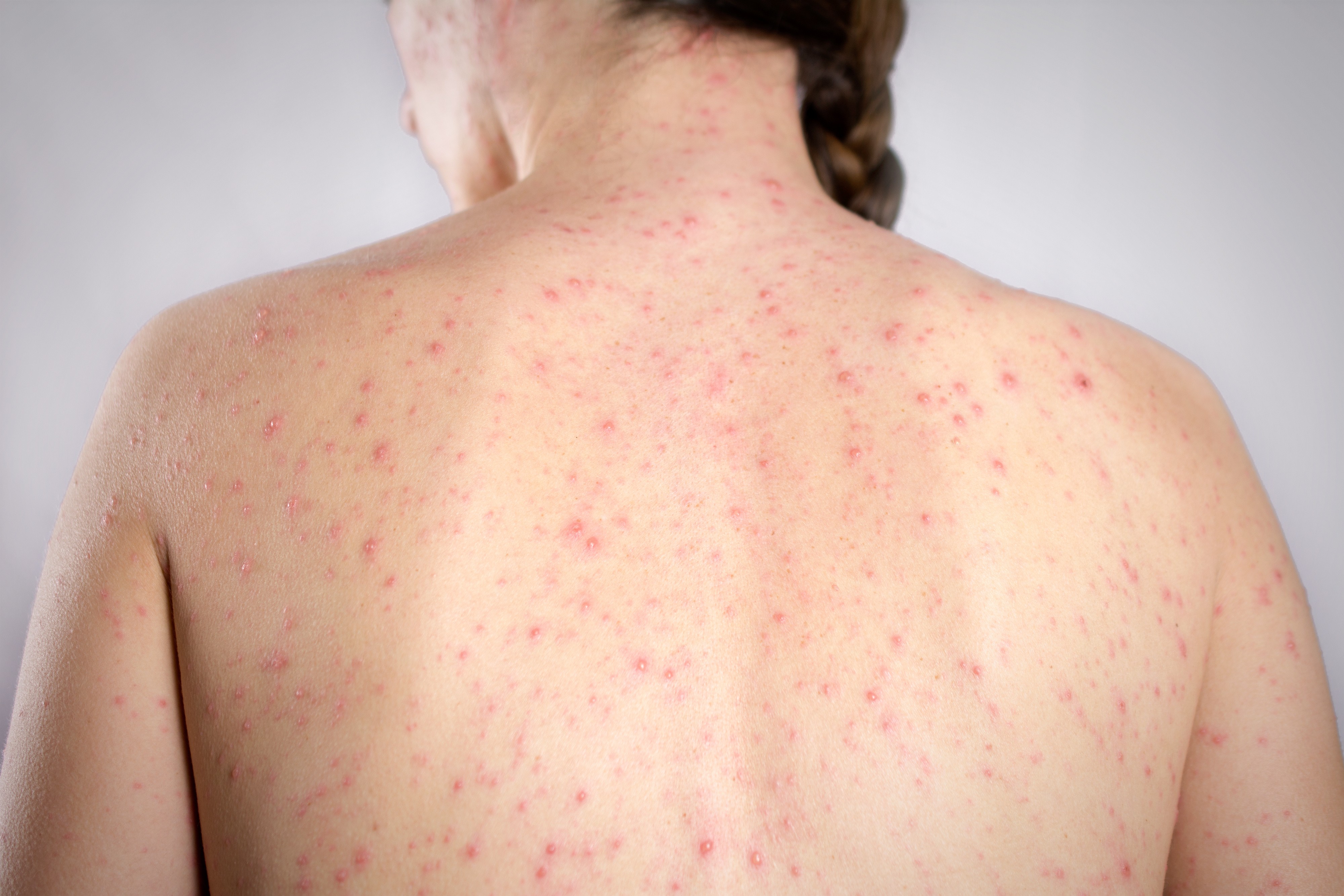
The São Paulo state government is launching an expanded vaccination campaign starting Monday, July 3rd, to bolster protection against polio and address a rise in measles cases. This initiative aims to update vaccination records for children and adolescents, with a specific focus on administering a second booster dose of the inactivated polio vaccine (VIP) as part of the routine schedule. Temporarily, children up to six years old who are behind on their vaccinations will also receive updated immunizations. The campaign seeks to increase polio protection and reach children who haven't completed their vaccination schedules. The State Center for Epidemiological Surveillance (CVE-SP) has distributed over 187,000 vaccine doses, aiming for a 95% vaccination coverage rate. The polio vaccination schedule now includes three IPV doses at 2, 4, and 6 months, followed by boosters at 15 months and 4 years, exclusively using the IPV. The campaign also intensifies measles vaccination efforts, offering the MMR (measles, mumps, rubella) vaccine to individuals aged 6 months to 59 years in São Paulo city, Guarulhos, and São Bernardo do Campo, regardless of their vaccination status. This measure follows the confirmation of the 15th measles case in the state in 2026, involving an unvaccinated girl from Guarulhos. Measles vaccination coverage in São Paulo remains below the Ministry of Health's target, with first-dose coverage at 77.5% and second-dose at 65.5% this year, down from 94% and 84.4% respectively in 2025. Beyond polio and measles, all vaccines from the National Vaccination Calendar will be available, including BCG, Hepatitis B, Pentavalent, Rotavirus, Pneumococcal, Meningococcal, Influenza, COVID-19, Yellow Fever, Varicella, DTP, Hepatitis A, and HPV. Tatiana Lang, director of CVE-SP, emphasized the critical need to maintain vaccination schedules to halt virus circulation and protect the population. São Paulo is currently the only Brazilian state experiencing an active measles outbreak, with 12 cases in the capital, two in São Bernardo do Campo, and one in Guarulhos. The Ministry of Health has recommended expanded measles vaccination in these municipalities to interrupt transmission.
The intensified vaccination campaign in São Paulo highlights a critical public health challenge: declining vaccination rates leading to resurgent preventable diseases like measles. The state's current status as the sole active measles outbreak zone in Brazil underscores the fragility of herd immunity when coverage dips below the 95% target. While the campaign aims to address immediate gaps, the systemic issue of vaccine hesitancy or access barriers requires sustained, multi-faceted interventions beyond emergency measures. Future public health strategies must consider the long-term implications of vaccine confidence, potentially leveraging digital health platforms and community engagement to rebuild trust and ensure equitable access to immunizations, thereby preventing the re-emergence of diseases that were once nearly eradicated.
AI-generated to prompt reflection — not editorial opinion, not advice, not a statement of fact. How this works.