São Paulo Experiences Coldest Morning of the Year, Drops to 10°C
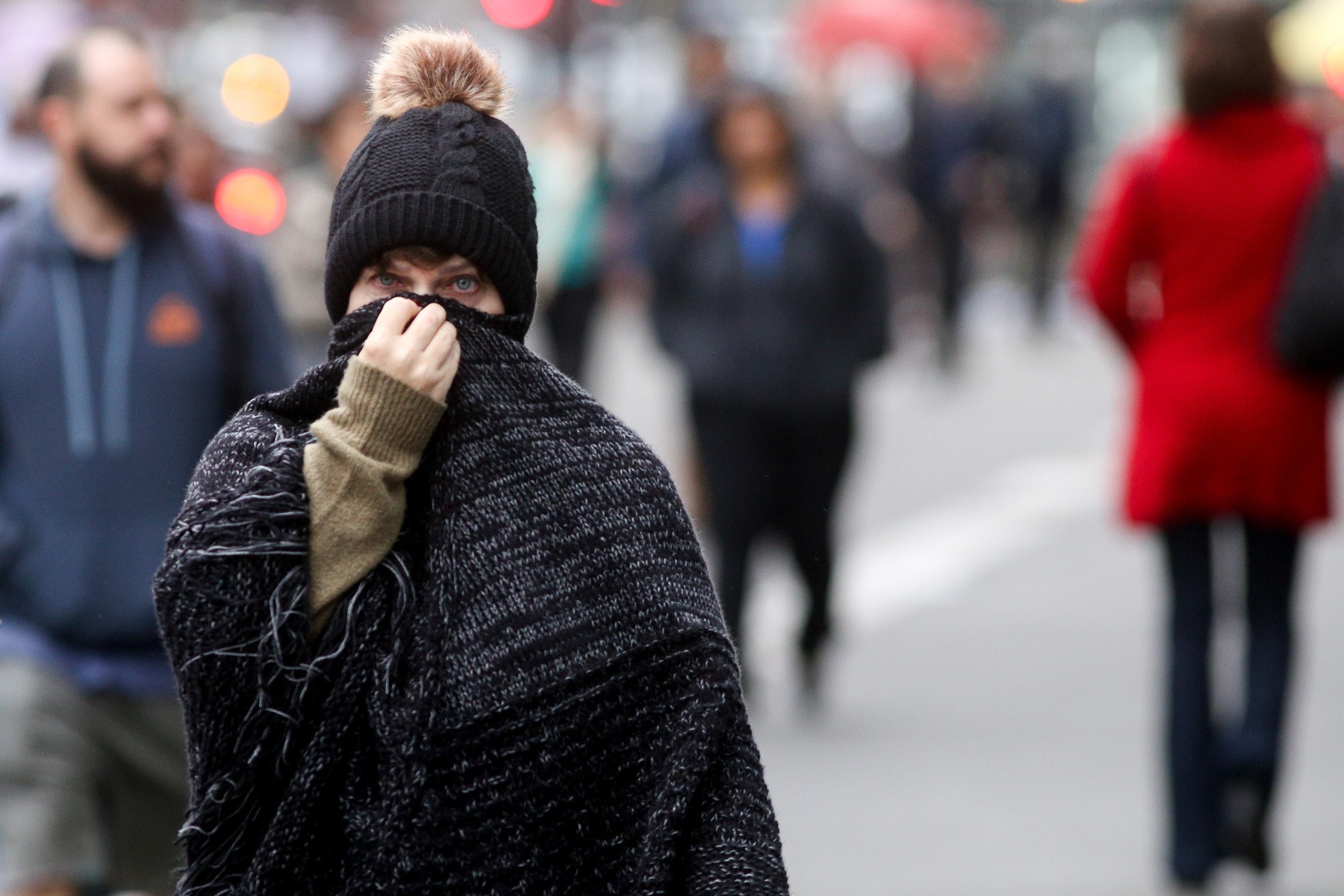
São Paulo experienced a frigid start to Tuesday, May 14th, with the city recording a minimum temperature of 10°C, as reported by the National Institute of Meteorology (Inmet). The lowest temperature, 10.2°C, was registered at 3 AM at the Mirante de Santana in the North Zone, a key reference point for official meteorological records. The perceived temperature in several areas of the city dropped as low as 7°C, according to the Climate Emergency Control Center (CGE). Meteorologists anticipate that the maximum temperature for the day will not exceed 18°C. Looking ahead, forecasts indicate continued cool weather, with lows of 9°C expected on Wednesday and Thursday, before gradually warming up towards the weekend. In response to the intense cold, the São Paulo state government reactivated the "Abrigo Solidário" at Estação Pedro II, a metro station in the city center, to provide shelter for homeless individuals starting Monday evening. This initiative is scheduled to continue until Thursday morning, coinciding with the expected dissipation of the cold wave. The Municipal Prefecture also reactivated its "Operação Baixas Temperaturas" (Low Temperature Operation), an emergency plan triggered when temperatures fall to or below 13°C. This operation involves setting up service tents in strategic locations to offer food, hot beverages, and blankets to the homeless population. The Municipal Secretariat for Social Assistance and Development has also augmented street outreach teams to guide vulnerable individuals to shelters.
This event highlights the critical infrastructure and social support systems required to manage extreme weather events in large urban centers. The coordinated response by meteorological agencies, emergency services, and social welfare departments demonstrates a functional approach to public safety and welfare during cold snaps. However, the recurring need for emergency operations like the "Operação Baixas Temperaturas" and the reactivation of temporary shelters suggest ongoing systemic challenges in addressing the long-term housing and support needs of vulnerable populations. Future considerations should focus on proactive, sustainable solutions that mitigate the impact of such weather events, rather than relying solely on reactive emergency measures. The interplay between climate patterns and urban social vulnerability warrants continued examination, particularly in the context of evolving climate change scenarios and their potential to exacerbate existing inequalities.
AI-generated to prompt reflection — not editorial opinion, not advice, not a statement of fact. How this works.