São Paulo Faces Cold, Drizzle, and Lows Near 10°C to Start the Week
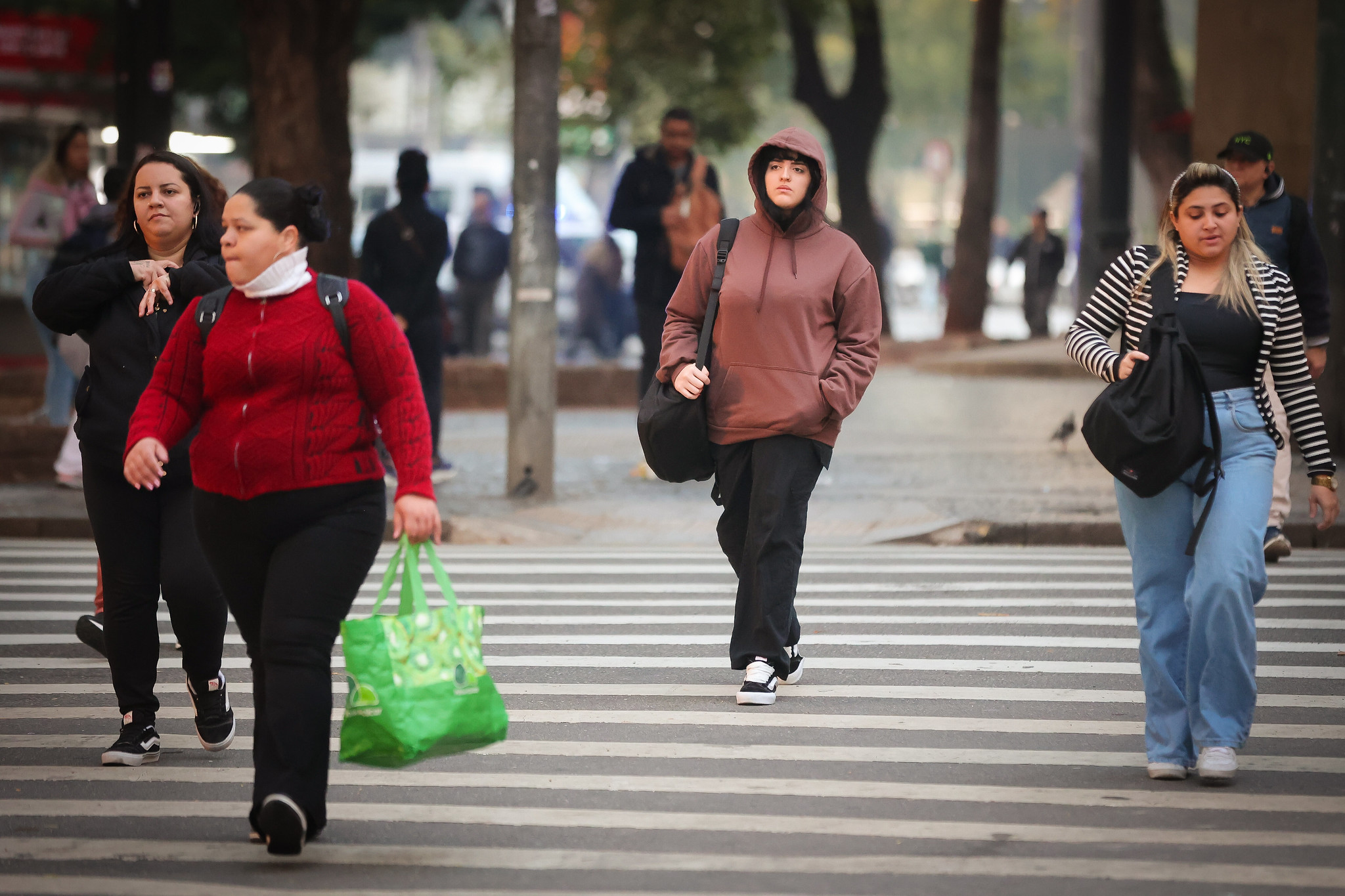
São Paulo began the week under cloudy skies with drizzle and cool temperatures. On Monday, February 13th, the forecast predicted a full day of cloud cover, with potential for light to moderate rain totaling approximately 4.9 millimeters. Thermometers were expected to range between a low of 10°C and a high of 16°C. The cold conditions were set to continue into Tuesday, February 14th, with the week's lowest minimum temperature forecast at 9°C, while the maximum would reach 18°C. Tuesday's weather was expected to feature sun breaking through clouds, alongside overcast periods, and a minimal 0.2 millimeters of rain. By Wednesday, February 15th, temperatures were projected to rise gradually, with a low of 10°C and a high reaching 20°C. This day was anticipated to have sun interspersed with clouds, and fog formation was predicted for the evening. These shifts in weather patterns are attributed to a low-pressure system forming over the ocean near the South and Southeast regions of Brazil, which, according to the National Institute of Meteorology (Inmet), enhances atmospheric instability and rainfall, particularly affecting Southern Brazil and the state of São Paulo.
The weather patterns described are a common consequence of atmospheric pressure systems interacting over continental landmasses and adjacent oceans, particularly in subtropical regions. The formation of low-pressure areas offshore is a natural phenomenon that influences regional climate dynamics by drawing moisture inland and creating conditions for precipitation and temperature fluctuations. Understanding these meteorological processes is crucial for urban planning, agricultural forecasting, and public preparedness, highlighting the interconnectedness of global weather systems and their localized impacts. The consistent monitoring and reporting by meteorological institutes like Climatempo and Inmet provide essential data for navigating these predictable, yet impactful, weather events.
AI-generated to prompt reflection — not editorial opinion, not advice, not a statement of fact. How this works.