São Paulo Garbage Collector Becomes Spider-Man to Battle Cold and Boost Morale
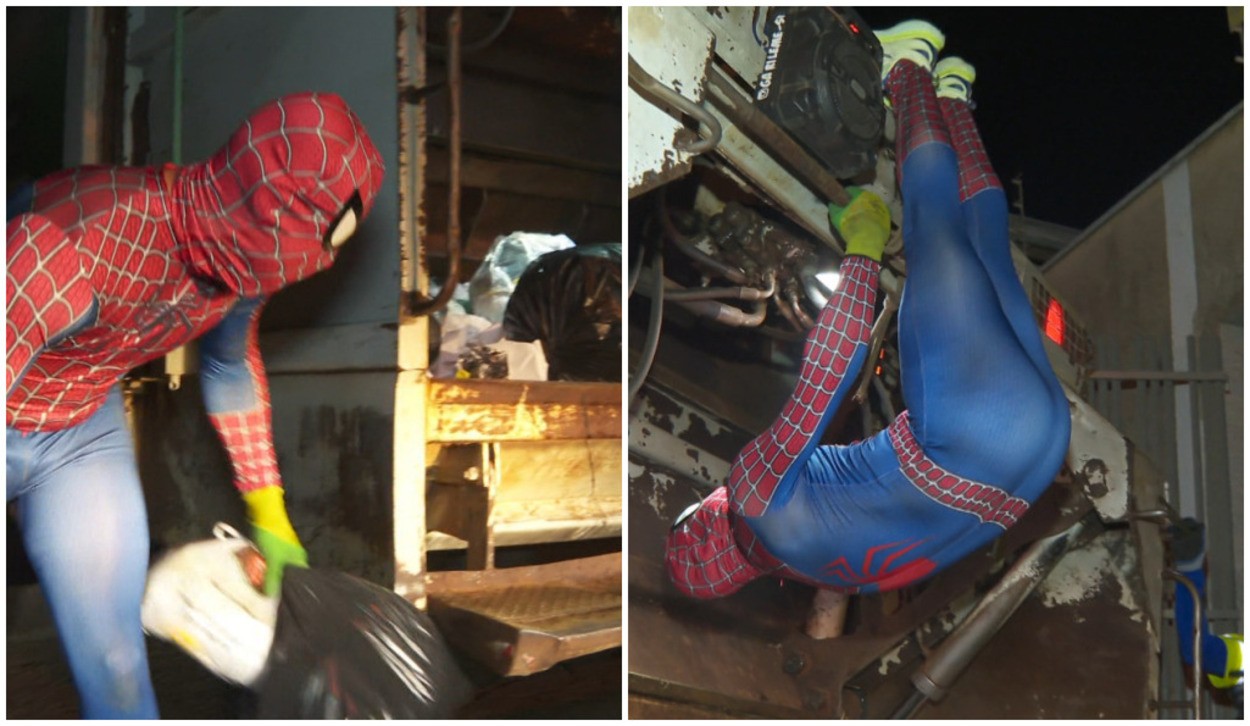
Carlos Daniel Siqueira Amancio, a garbage collector in Leme, São Paulo, has adopted an unusual method to cope with the cold early morning shifts: dressing as the superhero Spider-Man. Starting his day before 5 AM, often in temperatures around 8°C, Carlos uses a portable speaker to play music and dances while collecting trash, transforming his demanding job into a display of good humor. He explained that wearing the costume provides energy and a way to be a 'hero' against the daily challenges and the cold, making the routine more lighthearted.
To stay warm before sunrise, Carlos and his colleagues rely on hot coffee, which he described as a way to 'wake up' and 'heat the chest' for the day ahead. His performances on the streets have become a source of joy for both his colleagues and the residents of Leme. One resident, Rosimeire Aparecida Bueno, expressed her affection for him, calling him her 'friend' and 'everything.' Carlos finds motivation in this public appreciation, stating that it brings him good humor and encourages him to work cheerfully.
His efforts are also shared on social media, with the support of his uncle managing his online presence. Carlos has been working as a collector for seven years and emphasizes the importance of maintaining a positive attitude, smiling, and playing music to face his work. His 'Super-Gari' persona has won over the community with his kindness and infectious enthusiasm.
This story highlights an individual's creative coping mechanism for a physically demanding job in adverse conditions, demonstrating the power of positive self-presentation and community engagement. The 'Spider-Man' persona serves as a psychological tool, enhancing personal motivation and fostering positive interactions with the public. From a systems perspective, this initiative, while commendable for its individual impact, points to broader questions about worker well-being and morale in essential but often challenging service industries. It suggests that low-cost, high-impact interventions like this can significantly improve the work environment, potentially influencing organizational culture and employee retention. The future may see more such grassroots efforts or company-supported initiatives that leverage creative expression to address the human element in labor, especially as automation continues to reshape the workforce.
AI-generated to prompt reflection — not editorial opinion, not advice, not a statement of fact. How this works.