São Paulo Government Activates Crisis Cabinet After Deadly 100 km/h Winds
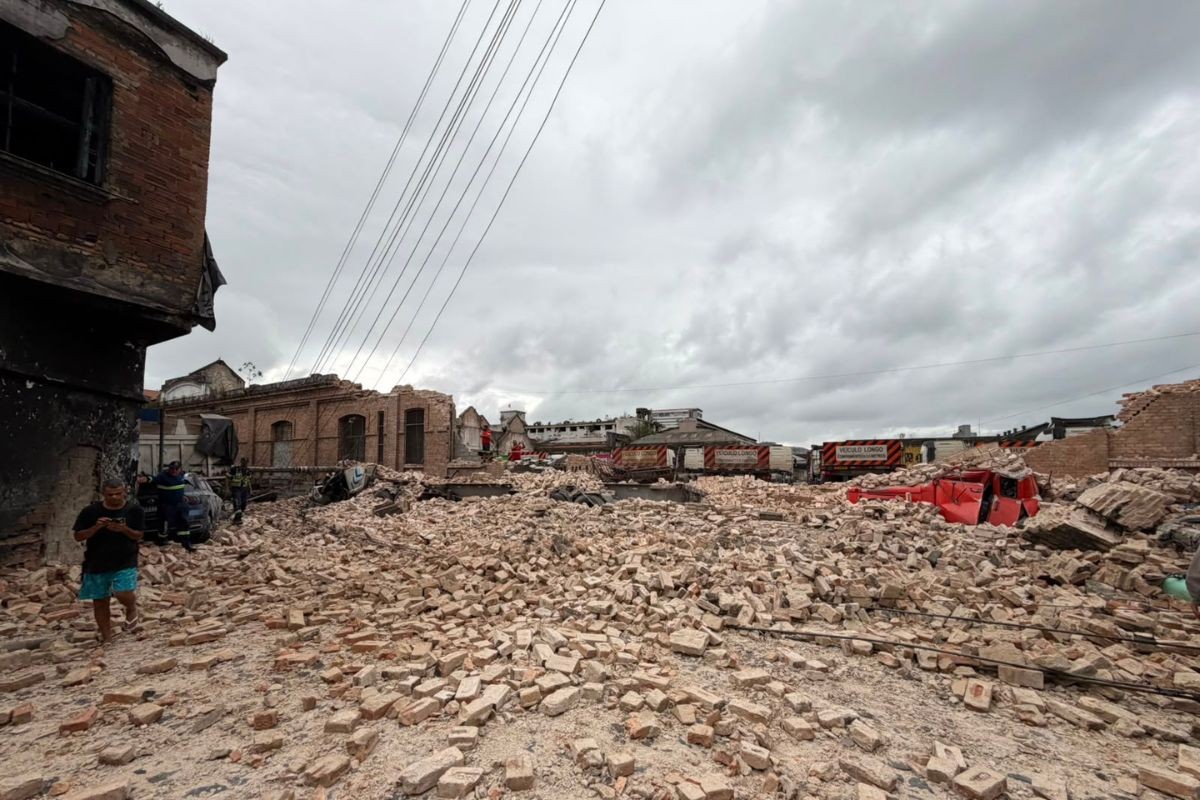
The government of São Paulo has deployed its Crisis Cabinet to the coast following severe weather that caused three fatalities and widespread damage on Wednesday, November 29th. Winds exceeding 100 km/h, with gusts reaching up to 124.9 km/h in some areas, led to fallen trees, power outages, and disruptions, particularly impacting the Port of Santos. The State Civil Defense has issued two severe weather alerts, warning of increased risks including flooding, landslides, structural damage, and maritime hazards like rough seas along the coast. Teams are currently stationed in Peruíbe to manage the response to the extensive damage. The Crisis Cabinet, comprising representatives from key state institutions, energy companies, regulatory bodies, police, and the fire department, remains mobilized to monitor meteorological conditions and coordinate aid to affected municipalities. The severe weather has caused significant destruction, including fallen trees, damaged infrastructure, and a collapsed company wall in Santos. The Port of Santos experienced a temporary suspension of navigation and damage to its quayside facilities, with containers displaced. In Santos, a homeless man was killed by a falling tree, and in Cesário Lange, another man died when a tree fell on his car. A fisherman also lost his life when his boat capsized off the coast of São Sebastião. The forecast indicates continued unstable weather across São Paulo, with isolated rain showers, potential thunderstorms, and occasional wind gusts expected, especially in the western, southern, and eastern regions. Fog and mist are also anticipated during the night and early morning, particularly in central and eastern areas.
The severe weather event in São Paulo highlights the critical importance of robust early warning systems and resilient infrastructure in mitigating the impact of extreme meteorological phenomena. The government's activation of a Crisis Cabinet demonstrates a coordinated response mechanism, but the fatalities underscore potential gaps in preparedness and public safety measures, particularly for vulnerable populations like the homeless. Future planning should consider the increasing frequency and intensity of such events, driven by climate change, and invest in adaptive urban planning and infrastructure upgrades. Evaluating the effectiveness of Civil Defense alerts and public communication strategies is crucial to ensure timely and adequate protective actions are taken by citizens and authorities alike. The incident also points to the need for ongoing assessment of critical infrastructure, such as ports, against evolving environmental risks.
AI-generated to prompt reflection — not editorial opinion, not advice, not a statement of fact. How this works.