São Paulo Government Finalizes Santos-Guarujá Tunnel Concession with TSG
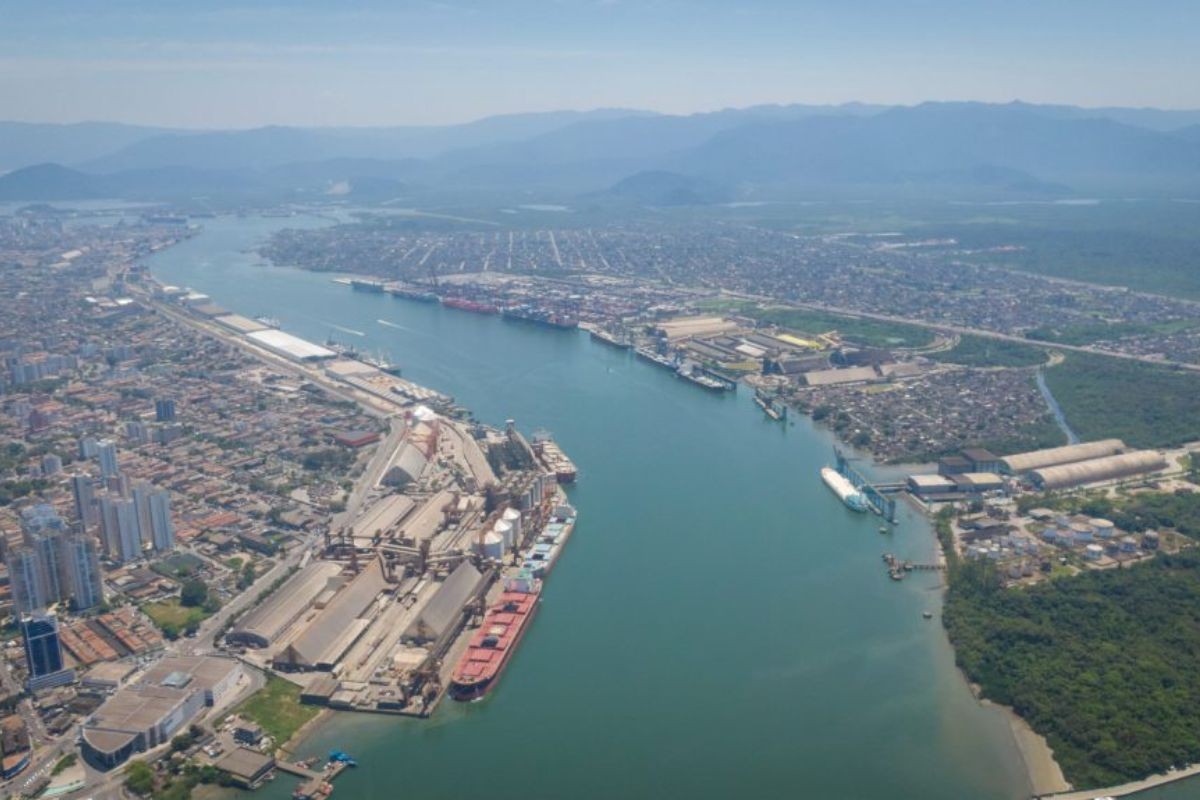
The São Paulo state government has officially transferred the concession for the Santos-Guarujá immersed tunnel project to TSG Concessionária S.A. This transfer was formalized through the signing of an Initial Transfer Term (TTI) by the state administration and the State Secretariat for Partnerships and Investments (SPI). The TTI, effective from its publication in the Official State Gazette on Wednesday, August 7th, designates TSG as responsible for the construction, operation, and maintenance of the tunnel. TSG, a special purpose entity (SPE) established by the Portuguese company Mota-Engil, which won the project's auction last September, stated that this marks the official commencement of the 30-year concession. The company will now begin the mobilization phase as outlined in the contract, proceeding with the project's implementation schedule. Hiring of workers for the project will be managed by the construction company responsible for executing the works, with their selection being a subsequent step in the concession process. This project represents a R$ 6.8 billion investment for Brazil's first immersed tunnel, connecting Santos and Guarujá with a 1.5 km dry link, approximately 870 meters of which will be submerged. Of the total investment, R$ 5.1 billion will be funded by the São Paulo government and the federal government, with the remainder from the concessionaire. Construction is slated to begin in 2027, following project development, land expropriation, and environmental licensing in 2026. Key construction phases include building a dry dock, dredging, and constructing access ramps in 2027 and 2028, followed by tunnel element installation and access works in 2029, with final finishing and operational testing planned for 2030.
The formalization of the Santos-Guarujá tunnel concession signifies a long-awaited infrastructure development for the São Paulo coast, addressing a decades-old demand. The project's significant public and private investment, totaling R$ 6.8 billion, highlights the scale of public-private partnerships in addressing critical infrastructure gaps. The phased construction timeline, spanning from 2026 to 2030, demonstrates a structured approach to complex engineering and environmental challenges. Future success will hinge on effective project management, adherence to environmental regulations, and the efficient integration of the tunnel into existing transportation networks. The long-term concession period of 30 years suggests an expectation of sustained operational efficiency and revenue generation, aligning with the strategic importance of enhancing inter-city connectivity and economic activity in the region.
AI-generated to prompt reflection — not editorial opinion, not advice, not a statement of fact. How this works.