São Paulo Governor Postpones Free Flow Toll on Imigrantes Highway After Resident Protests
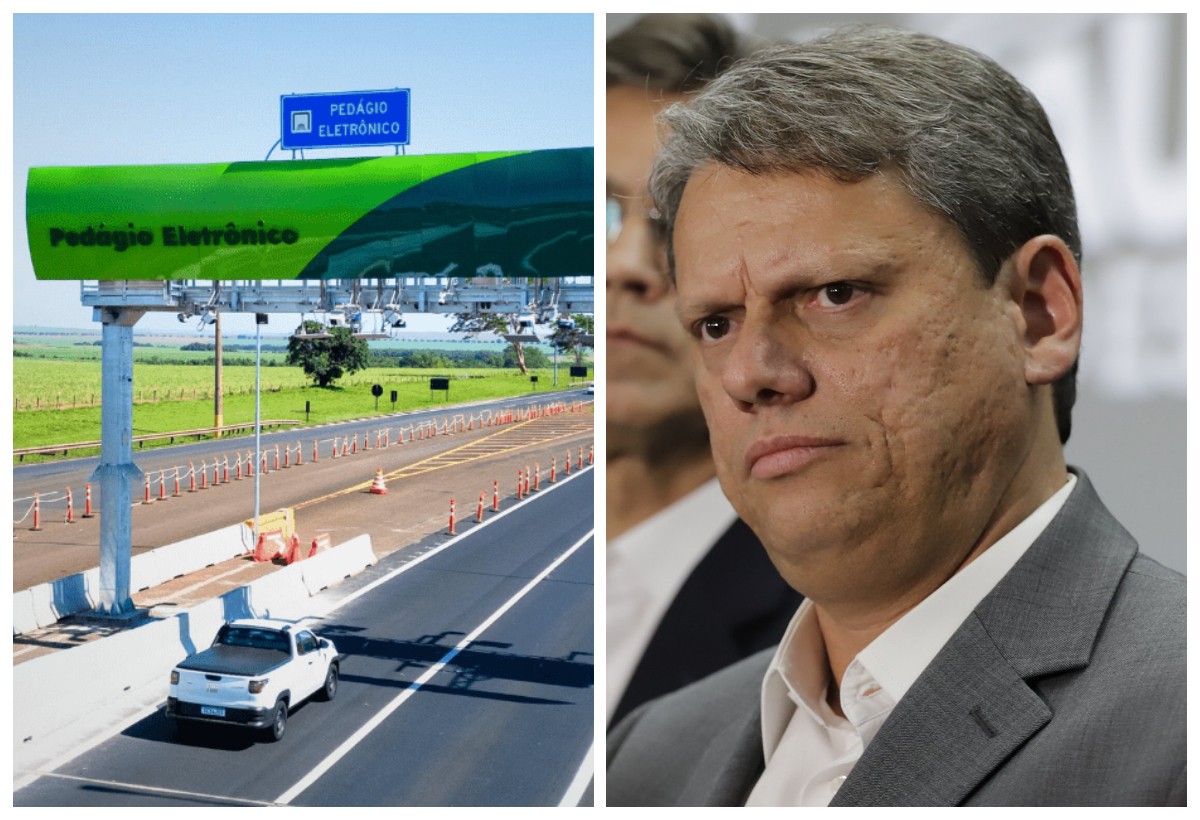
The São Paulo state government, under Governor Tarcísio de Freitas, has postponed the implementation of the "Siga Fácil" electronic free-flow toll system on the Anchieta-Imigrantes highway. This decision follows protests from residents of São Bernardo do Campo, a municipality in the Greater São Paulo region. Originally scheduled to begin on August 1st, the system's launch is now delayed to allow for technical and administrative procedures related to repositioning a toll gantry. A new operational date has not yet been announced.
Residents living in neighborhoods near the Imigrantes highway's ferry crossing expressed strong opposition to the toll gantry's planned location at kilometer 29 on the northbound lane. They argued that this placement would force them to pay R$20 daily for routine commutes, as the Imigrantes highway is their primary land connection to the rest of the municipality. In response to community feedback and technical assessments, the Secretariat of Partnerships and Investments (SPI) and the State Transport Agency (Artesp) have decided to move the gantry from km 29 to the vicinity of km 38.
This relocation aims to accommodate local travel needs and promote fairer toll distribution. Other toll points will remain as planned: one at km 29 of Imigrantes heading towards the coast, and another at km 33 of the Anchieta highway. Until the "Siga Fácil" system is operational, current toll plazas at km 31 of Via Anchieta and km 32 of Rodovia dos Imigrantes will continue to collect R$40.60, exclusively for traffic heading towards the coast. Once the new system is active, these physical plazas will be replaced by electronic collection points, with the R$40.60 tariff split between the descent (km 33 of Anchieta, km 29 of Imigrantes) and ascent (new km 38 gantry on Imigrantes), each costing R$20.30.
The government's decision to postpone and relocate the free-flow toll gantry demonstrates responsiveness to public outcry, highlighting the critical need for transparent public consultation in infrastructure projects. While the "Siga Fácil" system aims for efficiency and equitable tolling, its initial implementation revealed potential systemic flaws in anticipating local community impacts. The revised plan to split the toll across both directions and reposition the gantry addresses immediate resident concerns regarding daily commute costs. However, this situation underscores a recurring challenge in urban planning: balancing the broader economic and logistical benefits of large-scale infrastructure with the specific needs and financial realities of local populations. Future projects may benefit from more robust, early-stage impact assessments and community engagement frameworks to mitigate similar conflicts and ensure smoother adoption of technological advancements in public services.
AI-generated to prompt reflection — not editorial opinion, not advice, not a statement of fact. How this works.