São Paulo gubernatorial candidate links train issues to privatization, vows contract review
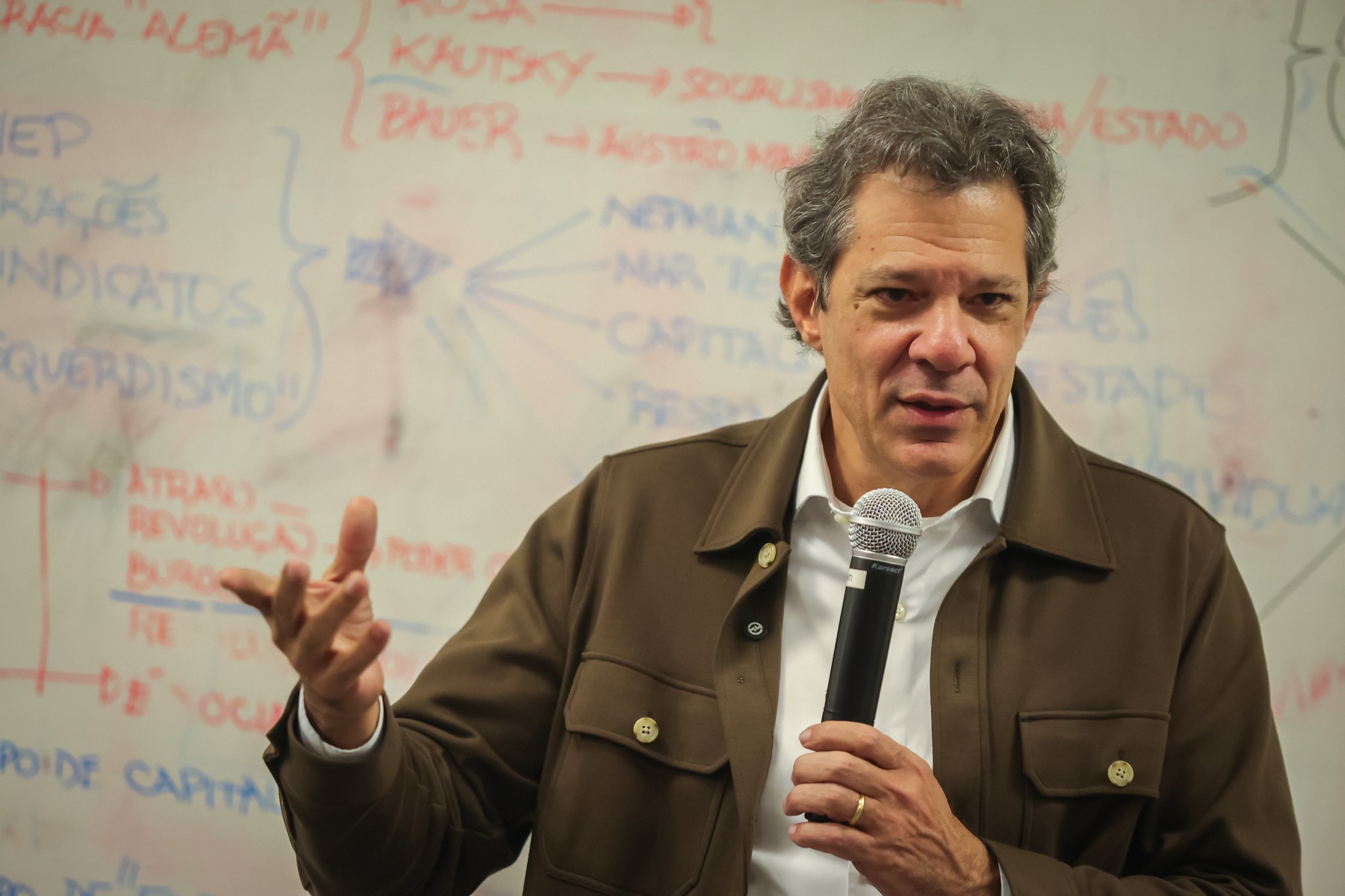
Fernando Haddad, a pre-candidate for governor of São Paulo representing the Workers' Party (PT), has criticized the current administration's handling of privatized train lines following significant disruptions. On Thursday, May 23rd, images emerged showing passengers walking on tracks and a train on fire near the Bresser-Mooca station, marking the third consecutive day of problems since the concessionaire Trivia Trens officially took over operations on Tuesday, May 21st. Haddad described the situation as a "grave management problem." He also extended his criticism to the privatization of Sabesp, the state water company, citing issues like water shortages, reduced water pressure, and odor reports, while costs continue to rise despite promises of reduction. Haddad drew parallels to his experience as Finance Minister, where he and Minister Renan Filho had to revise contracts signed during Tarcísio de Freitas's tenure as Infrastructure Minister under the Bolsonaro government. Haddad stated that if elected, he would similarly review contracts for Sabesp, the Administrative Center, and the problematic CPTM lines. In response to the ongoing issues, André Isper, president of the State Transport Agency (Artesp), announced that the state-owned CPTM will resume operation of lines 11-Coral, 12-Safira, and 13-Jade for 90 days, with the specific operational details to be determined.
This event highlights the complex dynamics and potential trade-offs inherent in public service privatization. The disruptions on the privatized train lines and alleged issues with Sabesp's water services, occurring shortly after their transfer to private operators, raise questions about the effectiveness of the privatization model in ensuring service quality and reliability. The candidate's response frames these incidents as direct consequences of privatization, suggesting a need for greater oversight or a reversal of such policies. This perspective aligns with a broader debate on whether essential services are best managed by public or private entities, considering factors like profit motives versus public interest, regulatory effectiveness, and the long-term implications for infrastructure investment and maintenance. The situation prompts consideration of governance structures that can safeguard public welfare while allowing for private sector efficiency, particularly in critical infrastructure sectors facing technological evolution and societal demands in the coming decade.
AI-generated to prompt reflection — not editorial opinion, not advice, not a statement of fact. How this works.