São Paulo Holiday Schedule: What's Open and Closed on July 9th and 10th
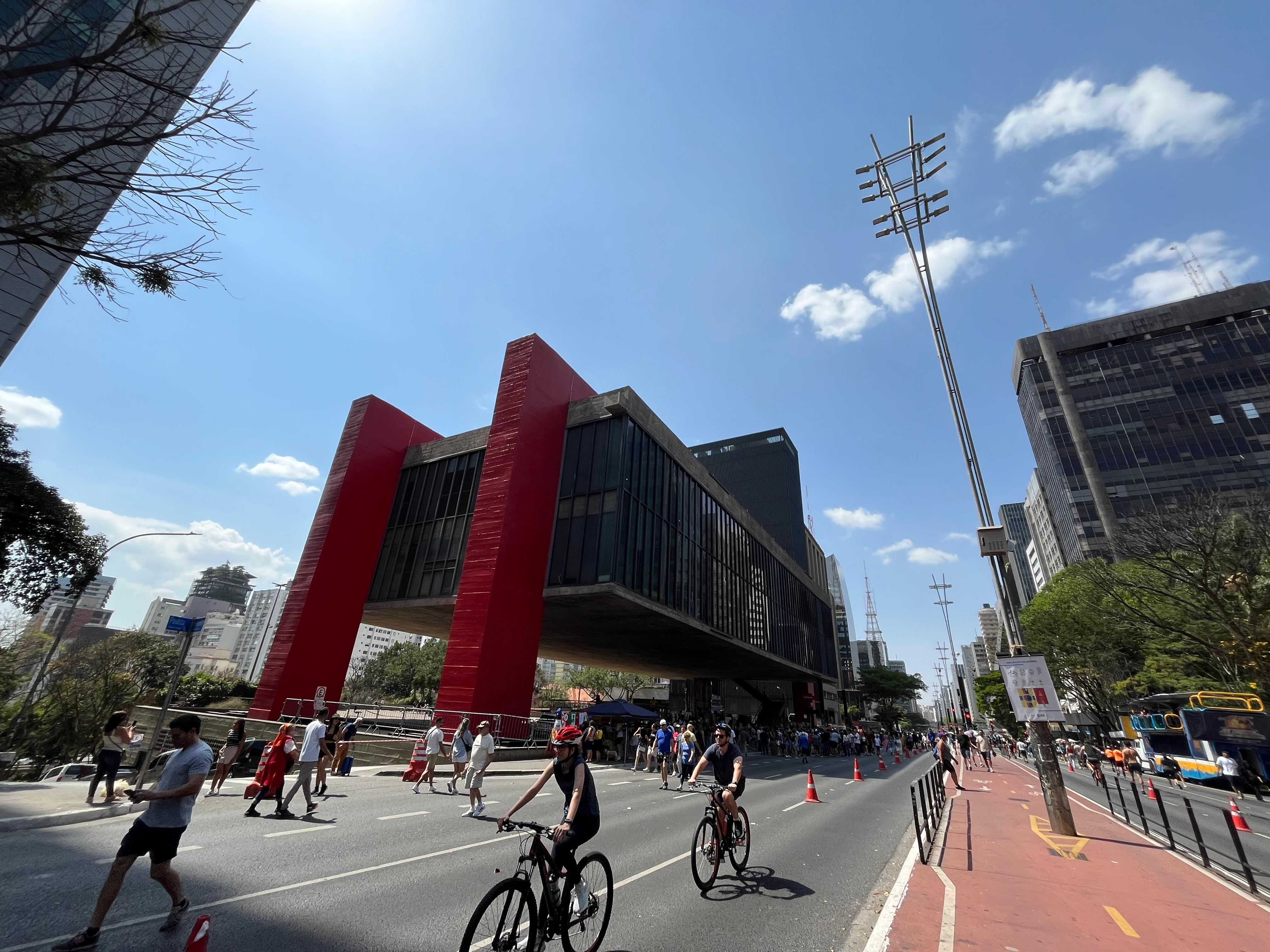
São Paulo will observe altered service operations during the July 9th Constitutionalist Revolution holiday and the July 10th optional holiday. Several health services, including AMAs, AMAs/UBSs, Municipal Hospitals, and UPAs, will operate with extended hours or on a 24-hour basis. Specialized services like Samu 192 and the Center for Poison Control will also be available. Public veterinary hospitals will have varied schedules, with some open 24 hours for emergencies and others closed on July 9th. Traffic restrictions, including vehicle and truck restrictions, will be suspended on July 9th, with further suspension of the municipal vehicle rotation on July 10th. Bus lanes will be freed, and the leisure cycle path will be active on July 9th. Parks and natural areas will remain open from July 9th to July 12th, with specific hours for planetariums and wildlife centers. The Minhocão elevated road will be open to pedestrians on July 9th, Saturday, and Sunday, but open to vehicles on Friday, July 10th. Avenida Paulista and streets in Liberdade will be pedestrian-only on July 9th and July 12th. Cultural institutions present a mixed schedule, with some remaining open throughout the extended weekend and others closing on specific days. The Municipal Archives, UMAPAZ, and municipal nurseries will be closed on July 9th and 10th. Various cultural centers and theaters will have different operating hours, with some open daily and others closed on specific holiday dates.
This schedule highlights the operational complexities faced by large urban centers during public holidays, balancing essential services with public access to cultural and recreational facilities. The varied opening hours across different municipal departments and cultural venues underscore the challenges in providing consistent public access while accommodating holiday observance and staff availability. Future planning might consider more standardized holiday operating models to reduce confusion for residents and ensure equitable access to public resources. The differing approaches to traffic restrictions also reflect ongoing debates about urban mobility and the prioritization of different transport modes during peak public activity periods.
AI-generated to prompt reflection — not editorial opinion, not advice, not a statement of fact. How this works.