São Paulo Holiday: Service Disruptions in Ribeirão Preto and Franca
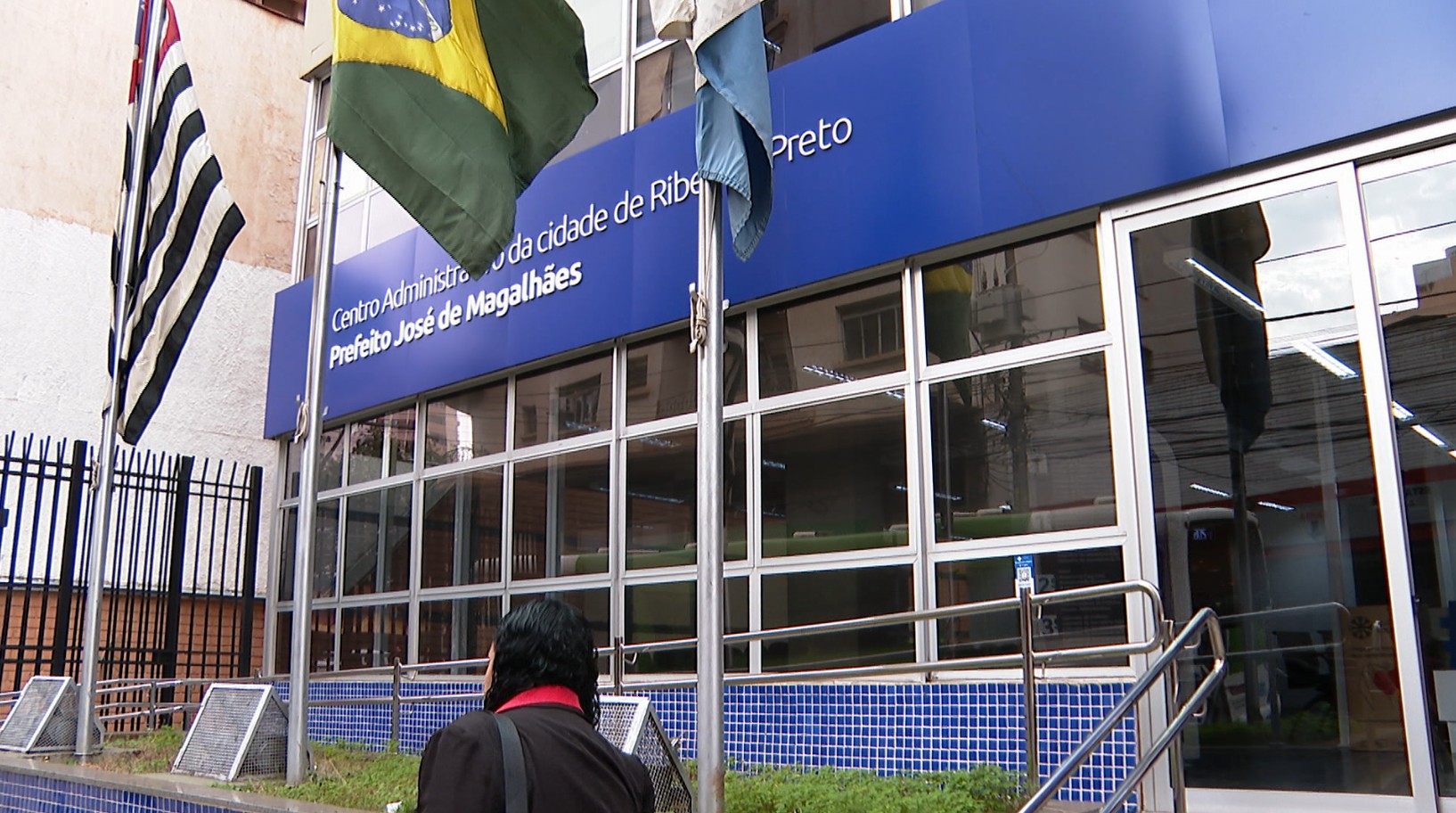
On Thursday, July 9th, São Paulo state observes the Constitutionalist Revolution holiday, leading to altered service schedules in Ribeirão Preto and Franca. In Ribeirão Preto, most municipal public offices will be closed, with services resuming on Monday, July 13th. Retail stores will have optional opening hours from 9 AM to 6 PM, while shopping malls like Iguatemi, Novo Shopping, Ribeirão Shopping, and Shopping Santa Úrsula will open their stores from 2 PM to 8 PM. Food courts and leisure areas in these malls will operate from 11 AM to 10 PM. Emergency health services, including UPAs and CAPS IV, will maintain 24-hour operations. Parks and the Fábio Barreto Zoo will be open, with the zoo offering free entry. Public transport buses will follow Sunday schedules, and certain service centers will have reduced hours or be closed. In Franca, similar to Ribeirão Preto, municipal offices will be shut. Retail stores will operate on an optional basis from 9 AM to 6 PM. Shopping Franca's stores will be open from 2 PM to 8 PM, with food and leisure areas open from 12 PM to 10 PM. Essential health services, including 'Dr. Álvaro Azzuz' and 'Dr. Magid Bachur Filho' hospitals, UPAs, SAMU, and CAPS, will operate normally. Both cities will maintain normal garbage collection services. The holiday commemorates the 1932 armed uprising by São Paulo against Getúlio Vargas' provisional government, becoming a state holiday in São Paulo in 1997.
The observance of the Constitutionalist Revolution holiday highlights the varying operational impacts on public and private sectors across São Paulo state. While essential services like healthcare and emergency response maintain continuity, the holiday necessitates adjustments in retail, public administration, and transportation. The decision by some municipalities to extend the disruption by declaring Friday, July 10th, a 'ponto facultativo' (optional holiday) further illustrates the complex interplay between historical commemoration and economic activity. From a systemic perspective, such holidays present an annual challenge for urban planning and resource allocation, requiring businesses and public entities to balance civic observance with the imperative of continuous service delivery and economic productivity in an increasingly interconnected global economy.
AI-generated to prompt reflection — not editorial opinion, not advice, not a statement of fact. How this works.