São Paulo holiday weather: Cold mornings, warm afternoons, and Sunday rain expected
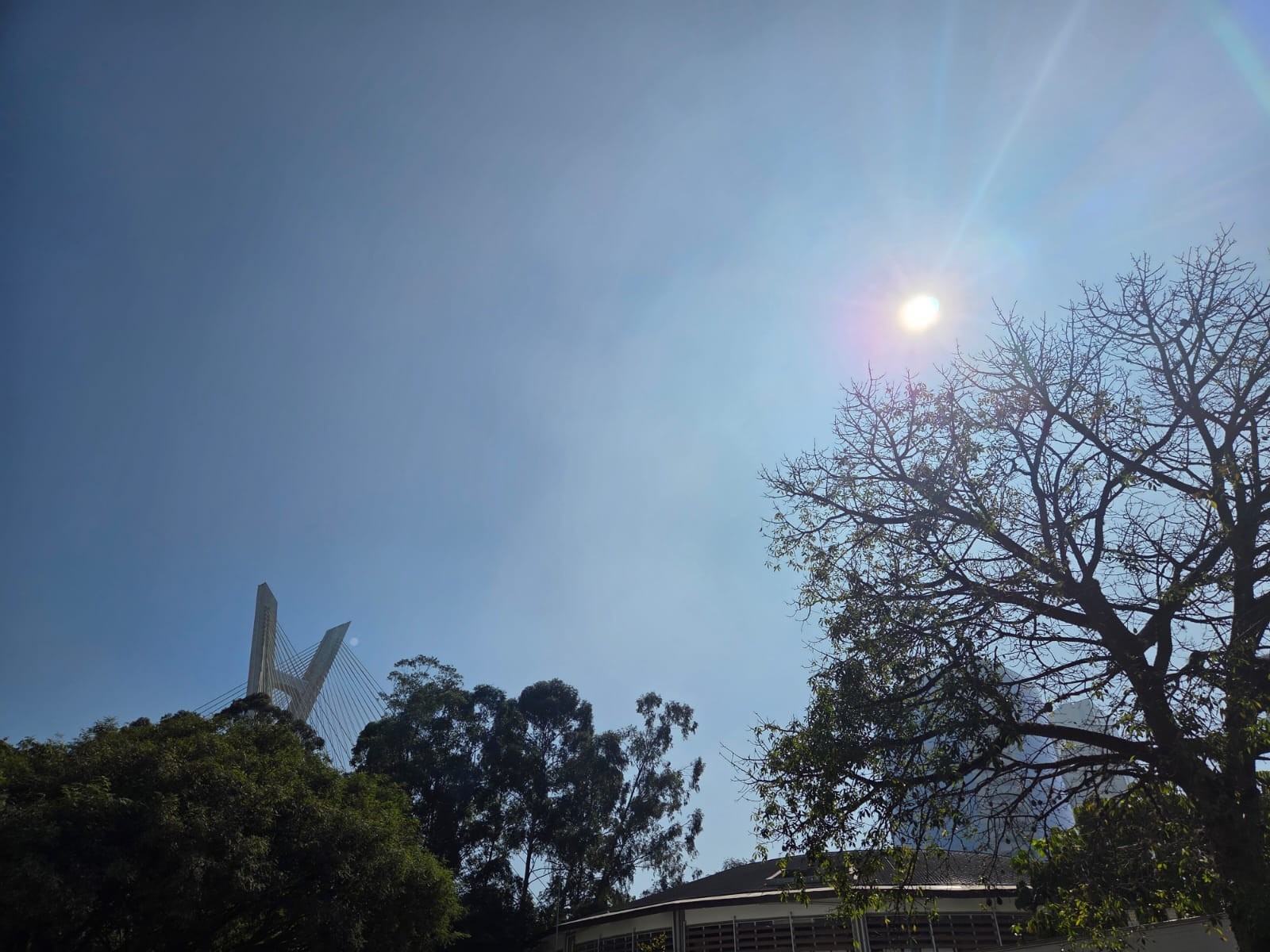
Residents of São Paulo can expect a mixed bag of weather during the extended July 9th holiday weekend. The period will begin with cool mornings and predominantly sunny, dry afternoons, a pattern expected to hold through Saturday, July 11th. Temperatures on Thursday, July 9th, the Constitutionalist Revolution holiday, will range from a low of 12°C to a high of 23°C, with clear skies and light fog in the early morning and at night. No rain is forecast for this day. Friday, July 10th, will see a slight increase in temperature, reaching up to 25°C, with similar conditions of sunshine and light fog. Saturday, July 11th, is predicted to be the warmest day of the long weekend, with a high of 26°C. While the sun will be visible, it will be interspersed with clouds, and no rain is anticipated. The weather is set to become more unstable on Sunday, July 12th, with a 69% chance of rain. Forecasts indicate sunshine throughout the day, but accompanied by significant cloud cover and showers expected in both the morning and evening. Temperatures on Sunday will fluctuate between a low of 13°C and a high of 21°C.
This weather forecast for São Paulo's July 9th holiday weekend highlights the typical variability of winter weather patterns in the region, influenced by atmospheric conditions that can shift rapidly. The data presented, sourced from Climatempo, provides specific temperature ranges and precipitation probabilities, allowing individuals to plan activities accordingly. Understanding these meteorological dynamics is crucial for urban planning and public safety, particularly concerning potential impacts of sudden rainfall on infrastructure and transportation. Analyzing such forecasts through a longer-term lens, considering climate change projections, could reveal trends in the frequency and intensity of weather events, informing adaptive strategies for future urban resilience.
AI-generated to prompt reflection — not editorial opinion, not advice, not a statement of fact. How this works.