São Paulo Hospital Hosts Festive June Party for Dialysis Patients
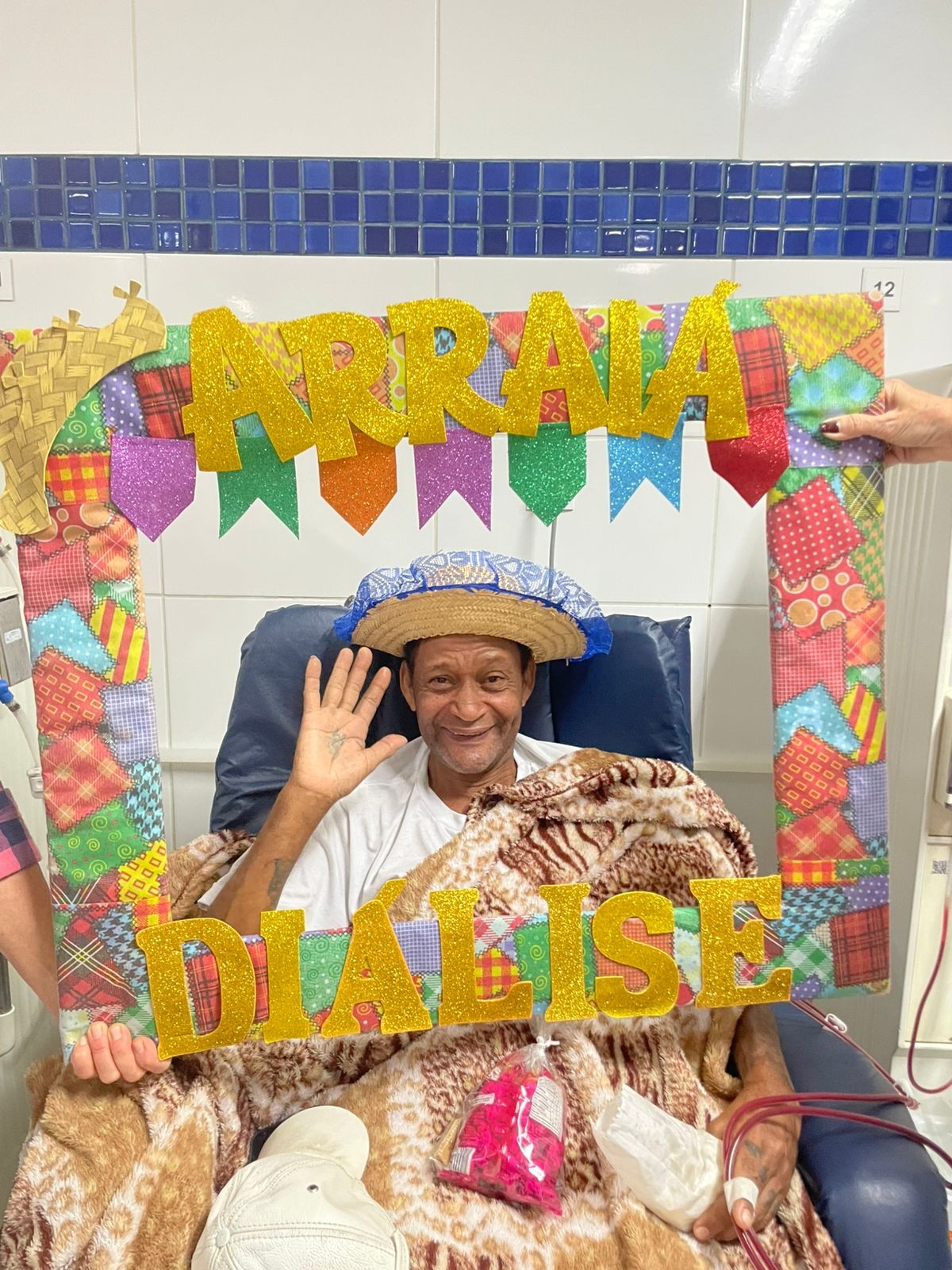
The Santa Casa de Votuporanga hospital in São Paulo, Brazil, organized a lively June festival within its dialysis unit to bring joy and a sense of normalcy to patients undergoing treatment. The event featured traditional 'caipira' decorations, live accordion music, and specially adapted typical June party foods that adhered to medical dietary restrictions. This initiative aimed to break the monotony and emotional strain of regular dialysis sessions, which often require patients to spend many hours connected to machines multiple times a week. Volunteers and healthcare professionals donned traditional attire, creating a festive atmosphere that helped alleviate the rigidity of the hospital environment in early July. Patient Gilberto Rezende da Silva, who travels three times weekly for treatment, shared that such events significantly boost patient morale and make the hospital setting more bearable. He noted that the party made his day much better than usual and improved his self-esteem. The festival also helped patients reconnect with cherished memories and feel a sense of belonging, even while receiving care. The president of the Association of Renal Patients of Votuporanga (Aprevo), Dimas Geraldo, emphasized the importance of supporting patients' emotional well-being and happiness. A hospital psychologist, Luciana Maranho, explained that the festive environment positively impacts treatment adherence and reduces hospital-related stress by humanizing the therapy space and fostering hope.
This initiative at Santa Casa de Votuporanga demonstrates a thoughtful approach to patient care by integrating psychosocial support into a demanding medical treatment. By creating a festive atmosphere, the hospital acknowledges the significant emotional and psychological burden of chronic dialysis, aiming to improve patient adherence and overall well-being. In the context of an increasingly technologically driven healthcare landscape, such human-centered interventions highlight the critical role of emotional support and community building in patient outcomes. This approach can be seen as a strategic investment in patient resilience, potentially reducing long-term healthcare costs associated with treatment non-compliance and mental health deterioration. The success of this event underscores the value of creative partnerships between healthcare providers and patient advocacy groups in fostering a more holistic and humane healing environment, a model that could be replicated across various healthcare settings.
AI-generated to prompt reflection — not editorial opinion, not advice, not a statement of fact. How this works.