São Paulo initiatives promote sustainable fashion through recycling and thrift stores
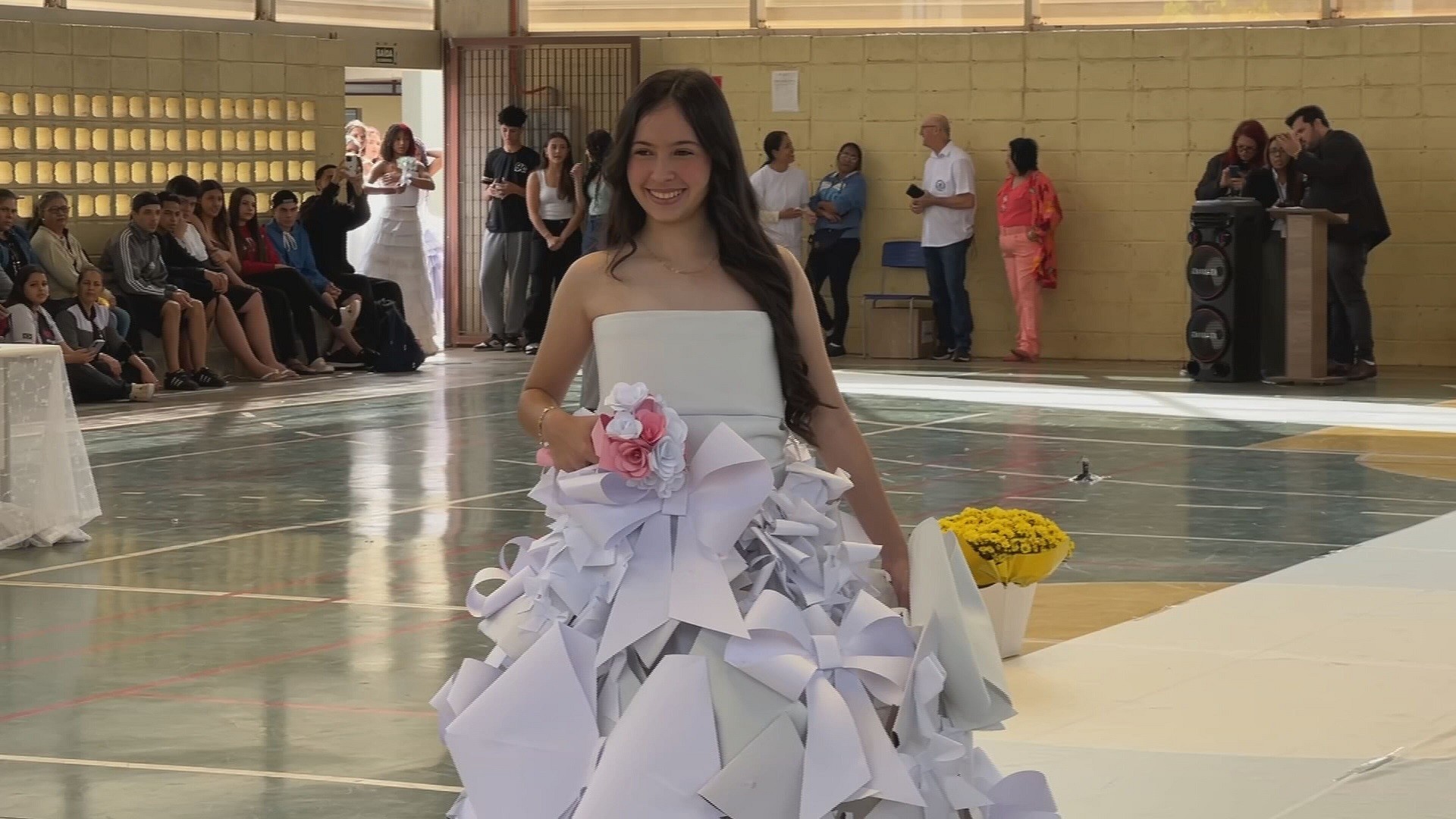
In the interior of São Paulo, Brazil, a growing movement is addressing the environmental impact of fast fashion by promoting circular economy principles. This approach aims to extend the lifespan of clothing, reducing waste and encouraging conscious consumption. Thrift stores, or 'brechós,' are at the forefront of this trend, transforming the resale of used clothing into a viable business model and a popular shopping alternative. These stores source inventory from charitable bazaars, support organizations, and individuals looking to sell or donate items from their own wardrobes. Customers like Carolina Lopes appreciate thrift stores for offering access to quality and branded clothing at significantly lower prices compared to new retail items. This rise in second-hand shopping reflects a global concern over the fashion industry's resource demands, as producing a single cotton t-shirt can require 2,700 liters of water, and jeans nearly 4,000 liters. Furthermore, the United Nations reports that a substantial amount of textile waste ends up in landfills, highlighting the environmental burden of rapid clothing disposal. Valéria Cristina, a business analyst at Sebrae in Bauru, notes that this situation creates significant opportunities for new entrepreneurs interested in reuse, upcycling, and 'slow fashion.' In São José do Rio Preto, students at Parque das Arueiras II State School have creatively applied these principles by designing and constructing bridal gowns from recycled materials. Seventy-eight elementary and high school students participated in the project, using items such as cardboard, EVA foam, newspapers, and old notebook paper. Art teacher Flávio Henrique de Almeida guided the students, aiming to connect fashion, creativity, and environmental preservation. The project demonstrated to the students that discarded materials can be repurposed, fostering a greater understanding of recycling and waste reduction.
The proliferation of sustainable fashion initiatives in São Paulo, encompassing both student-led recycling projects and the growth of thrift stores, demonstrates a growing societal awareness of the environmental costs associated with fast fashion. These grassroots efforts highlight a systemic contradiction: the linear, resource-intensive model of mass production and disposal versus the potential for circularity through reuse and upcycling. As global resource scarcity and climate change concerns intensify, the economic viability and social acceptance of circular fashion models are likely to increase. This trend suggests a potential shift in consumer behavior and market dynamics, moving away from disposability towards durability and responsible consumption. The educational component, as seen in the student project, is crucial for embedding these values in future generations, potentially influencing long-term industry practices and policy considerations.
AI-generated to prompt reflection — not editorial opinion, not advice, not a statement of fact. How this works.