São Paulo Interior Faces Dry Air Alert: Humidity May Drop to 20%
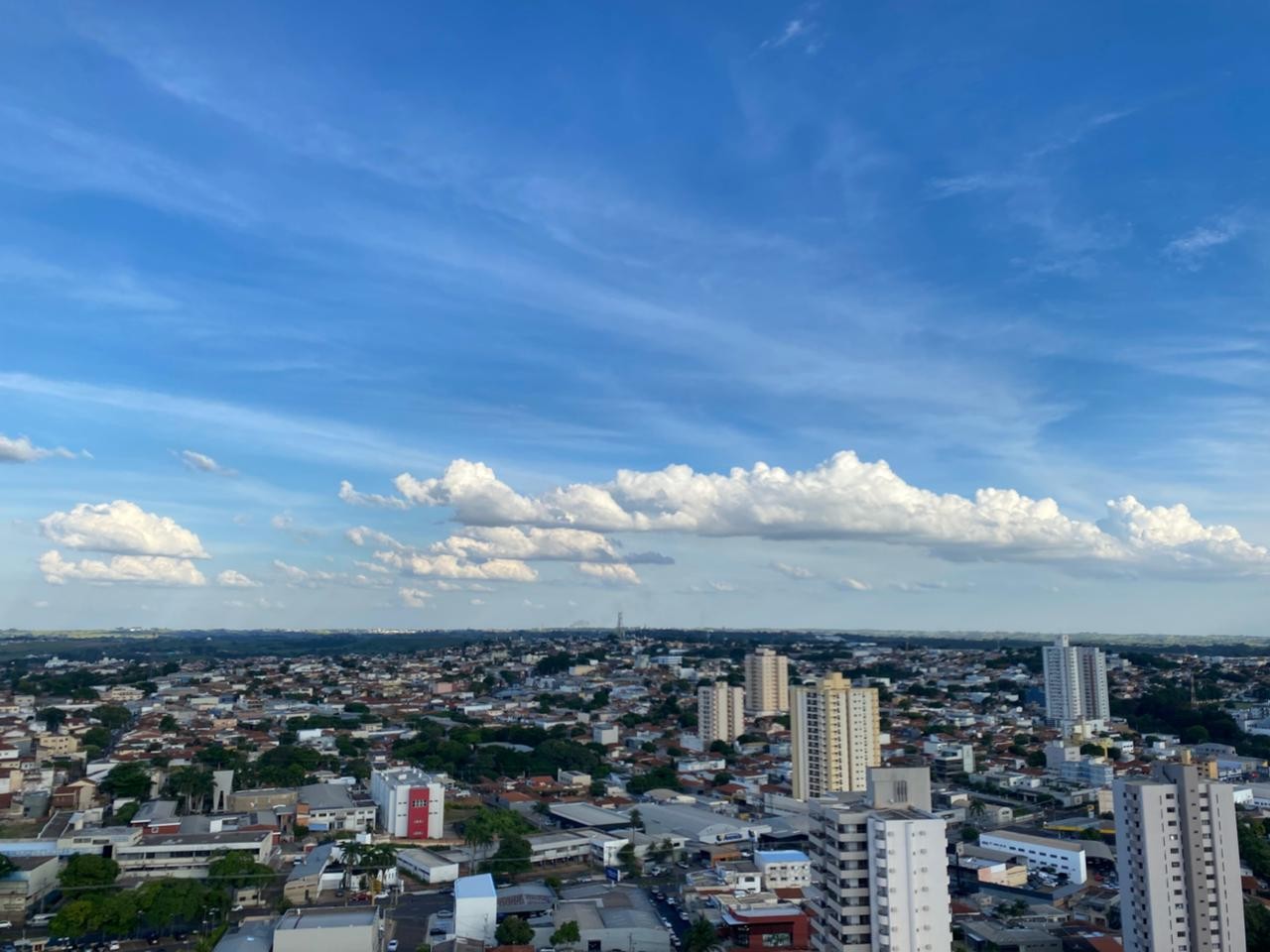
The National Institute of Meteorology (Inmet) has issued an alert for the interior of São Paulo, warning that relative humidity could drop below 30% on Saturday, August 1st. This low humidity, expected to range between 30% and 20% between 11 AM and 10 PM, poses health risks, particularly in the regions of Presidente Prudente, Bauru, São José do Rio Preto, Itapetininga, and Sorocaba. The World Health Organization (WHO) considers humidity levels below 60% inadequate for human health. Inmet recommends increased fluid intake, avoiding physical exertion during dry periods, and limiting sun exposure during the hottest hours. Residents are advised to contact Civil Defense (199) and the Fire Department (193) for further information. The state's Civil Defense has predicted stable, sunny weather across São Paulo for the weekend due to a dry air mass, with a new cold front expected around August 7th near Presidente Prudente, potentially bringing rain and storms. Temperatures in Presidente Prudente are forecast between 16°C and 33°C from Saturday to Tuesday. Bauru will experience temperatures from 14°C to 30°C with clear skies. São José do Rio Preto expects warm weather with temperatures between 16°C and 31°C, with no rain predicted. Itapetininga will see cooler mornings (12°C-16°C) and warm days (27°C-29°C), while Sorocaba's temperatures will range from 12°C to 29°C. Experts also highlight that dry winter conditions, exacerbated by air conditioning and heating, can worsen eye irritation and potentially contribute to conditions like keratoconus, especially in predisposed individuals. Frequent eye rubbing, a common response to irritation, can weaken the cornea and alter its shape, leading to vision problems.
The current meteorological forecast highlights a recurring seasonal challenge in Brazil's interior: periods of extremely low humidity. This phenomenon, exacerbated by human-driven environmental factors like indoor climate control systems, creates health risks and exacerbates pre-existing ocular conditions. The public health recommendations focus on individual behavioral adjustments, such as hydration and avoiding exertion, which are necessary but do not address the systemic issues of air quality management in densely populated areas. Future urban planning and public health strategies might consider integrated solutions for indoor air quality monitoring and regulation, especially during seasonal dry spells, to mitigate widespread health impacts and reduce reliance on individual coping mechanisms. The interplay between climate, environmental conditions, and public health outcomes underscores the need for proactive, multi-faceted approaches to environmental stewardship and population well-being.
AI-generated to prompt reflection — not editorial opinion, not advice, not a statement of fact. How this works.