São Paulo Launches Vaccination Campaign Amid Measles Outbreak
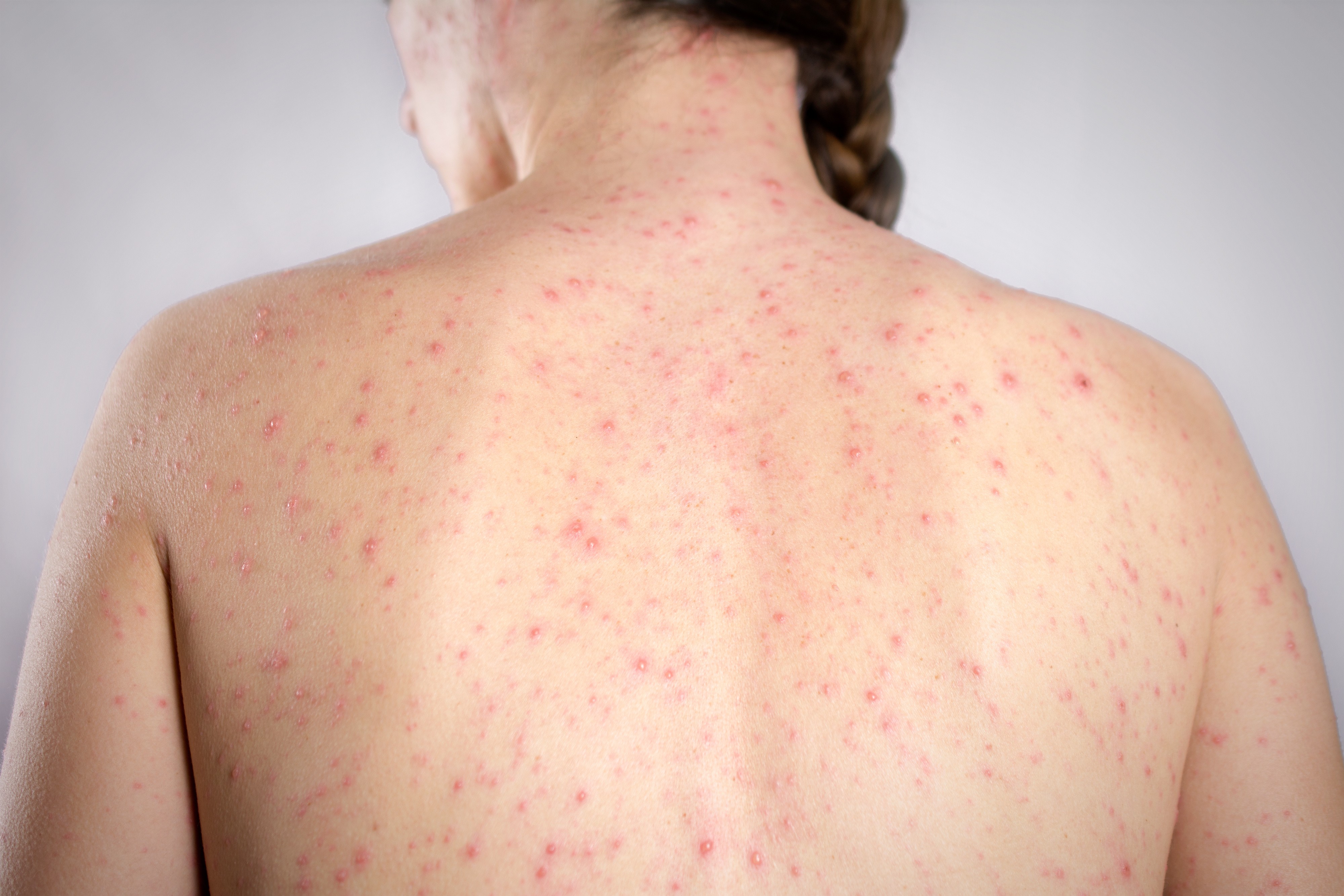
The São Paulo City Hall has initiated a multi-vaccination campaign, "De Olho na Carteirinha 2026," starting Monday, August 3rd, with a specific focus on reinforcing measles immunization across all Basic Health Units (UBSs) and Integrated AMAs/UBSs in the capital. This campaign follows the State Health Secretariat's announcement of a strategy to boost measles vaccination, in line with the Ministry of Health's recommendations. The reinforcement comes after the confirmation of 15 measles cases in São Paulo state in 2026: 12 in the capital, two in São Bernardo do Campo, and one in Guarulhos. In these three municipalities, the measles-containing triple viral vaccine will be temporarily offered to everyone aged 6 months to 59 years, regardless of prior vaccination status, to interrupt virus transmission. The campaign will run until September 1st and will also offer the tetravalent vaccine and other immunizations from the National Vaccination Calendar. In the remaining 642 municipalities in São Paulo state, the campaign will target children and adolescents up to 15 years old for vaccination record updates. A "Dia D" (D-Day) event is scheduled for August 22nd, with all 483 UBSs in the city open for vaccinations to increase coverage. Brazil has confirmed 18 measles cases in 2026, with São Paulo accounting for 15. The state is currently the only one experiencing an active measles outbreak. Vaccination coverage for the triple viral vaccine remains below the Ministry of Health's target of 95%, with first-dose coverage at 77.5% and second-dose at 65.5% in 2026. The campaign aims to address this gap and protect the population, especially children and adolescents, from the virus.
The current measles outbreak in São Paulo highlights a critical public health challenge stemming from declining vaccination coverage, despite Brazil previously regaining its measles-free status in 2024. The strategy of offering the triple viral vaccine to a broader age group (6 months to 59 years) in affected municipalities is a reactive measure to interrupt transmission chains. However, the underlying issue of sub-optimal vaccination rates nationwide demands a systemic approach. Future public health initiatives should focus on sustained educational campaigns, addressing vaccine hesitancy, and ensuring equitable access to immunization services to prevent the re-emergence of preventable diseases and maintain the hard-won elimination status. The interconnectedness of global travel and localized outbreaks underscores the need for robust, proactive surveillance and vaccination programs to safeguard public health in an increasingly mobile world.
AI-generated to prompt reflection — not editorial opinion, not advice, not a statement of fact. How this works.
