São Paulo Mayor Criticizes STF Decision Allowing Uber Motorcycle Service
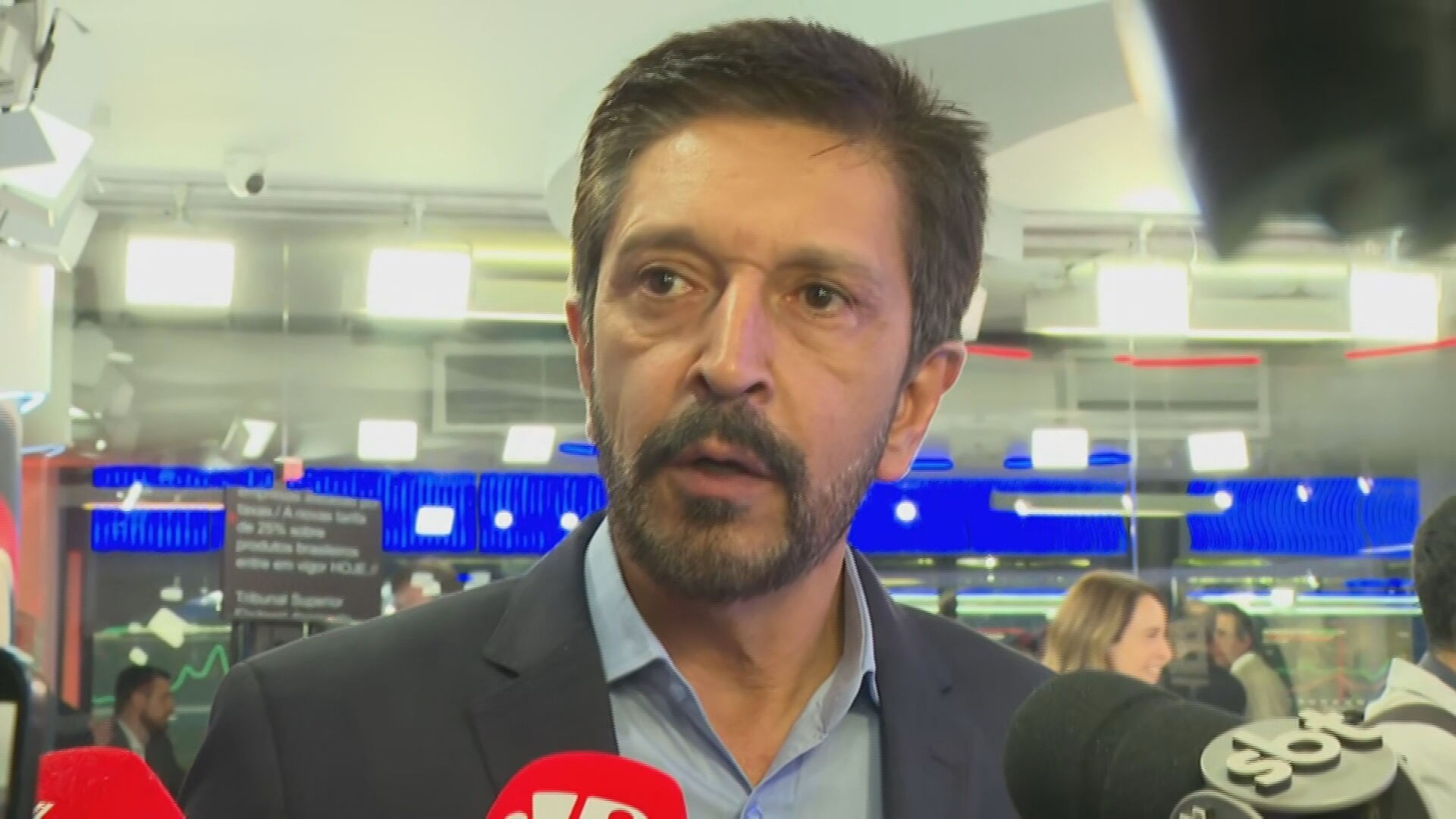
São Paulo Mayor Ricardo Nunes has strongly criticized a judicial decision that mandates the city to authorize Uber to operate motorcycle ride-sharing services within 48 hours. Nunes expressed concern that the Supreme Federal Tribunal (STF) will not bear responsibility for potential fatalities and severe injuries resulting from increased motorcycle accidents. He stated that if the decision stands, "no one [from the STF] will be crying over the loss of people in the cemetery, because unfortunately they will die." The mayor argued that the judiciary, particularly Justice Alexandre de Moraes, is overstepping its bounds by interfering with municipal public policies. Nunes highlighted that São Paulo's regulations for motorcycle transport, approved by the city council, were largely struck down by the STF, despite the law granting the city authority to regulate such services. He cited statistics indicating that 475 people died in motorcycle accidents in São Paulo last year, and that 55% of patients at the Lucy Montoro Institute for rehabilitation were victims of motorcycle accidents, with many suffering permanent disabilities. The city plans to appeal the latest ruling, but Nunes acknowledged that if the appeal fails, the public health system will need to be expanded to handle the anticipated increase in accident victims.
The conflict between municipal regulation and judicial review in São Paulo highlights a recurring tension in urban governance. Mayor Nunes's strong rhetoric frames the STF's intervention as an imposition that disregards local public safety concerns and data. From a systems perspective, the STF's role is to ensure adherence to federal law and constitutional principles, potentially viewing municipal regulations as overly restrictive or exceeding legislative authority. This case illustrates the challenge of balancing innovation in the gig economy with established public safety frameworks. Future policy discussions might explore more collaborative approaches between judicial bodies, municipal governments, and platform companies to develop regulations that are both legally sound and responsive to local conditions and evolving transportation needs.
AI-generated to prompt reflection — not editorial opinion, not advice, not a statement of fact. How this works.