São Paulo Metro Line 4-Yellow expands to Taboão da Serra with station excavation underway
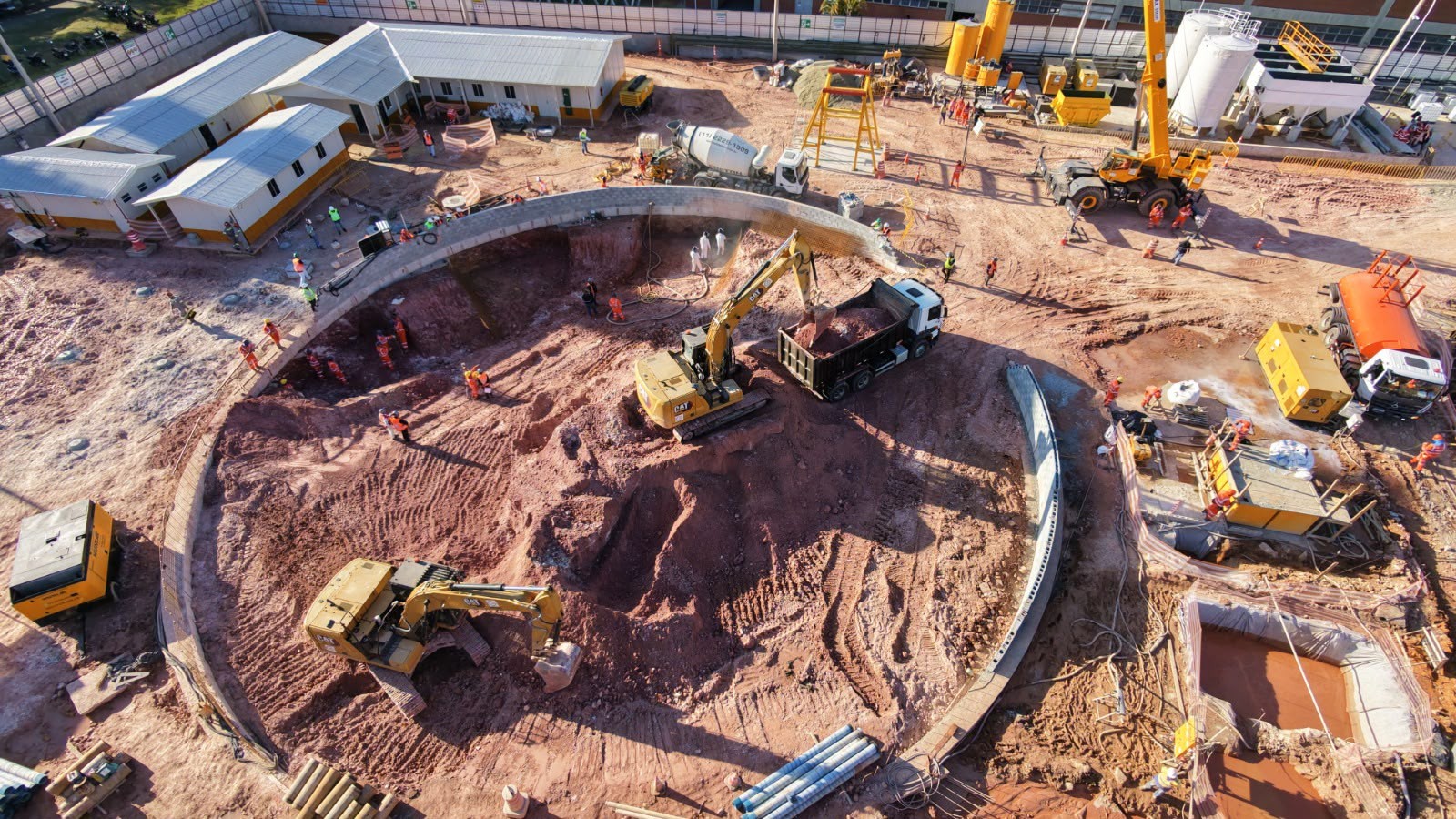
Excavation has begun for the future Taboão da Serra station, a key part of the expansion of São Paulo's Line 4-Yellow metro line into the Greater São Paulo region. This phase, which started in March of this year, involves creating underground structures necessary for building the new station, intended to be one of the first metro stops outside the city of São Paulo itself. The project is being managed by Motiva Trilhos, the concessionaire for Line 4-Yellow, in collaboration with the Consórcio Expresso Linha 4, comprising EGTC and Teixeira Duarte construction companies. The overall extension encompasses 3.3 kilometers of tunnels, two new stations (Taboão da Serra and Chácara do Jockey), and an estimated investment of R$4 billion. According to Artesp, tunnel excavation is slated for completion in 2028, with the Taboão da Serra station expected to open in 2030. The construction involves five specialized shafts that will serve as access points during the building process and will later be integrated into the final station design. These shafts will eventually reach approximately 35 meters in depth, utilizing concrete and metal mesh for ground stability. The expansion is projected to create 876 jobs by the end of the year and is anticipated to reduce travel time between Taboão da Serra and Luz station in downtown São Paulo to about 30 minutes. It is expected to serve around 50,000 new passengers daily and remove approximately 33,000 vehicles from the roads each day. This expansion aligns with a broader metro network growth strategy for the São Paulo metropolitan area, including the upcoming Dutra station on Line 2-Green in Guarulhos, which is expected to benefit 90,000 daily passengers.
The expansion of São Paulo's metro network into surrounding municipalities like Taboão da Serra represents a strategic governmental effort to address urban sprawl and improve regional mobility. By extending established lines, authorities aim to enhance connectivity, reduce traffic congestion, and stimulate economic activity in areas previously underserved by public transit. The significant R$4 billion investment underscores the long-term vision for integrated urban development. However, the success of such large-scale infrastructure projects hinges on efficient execution, timely completion, and sustained ridership, which are influenced by factors like urban planning, population growth, and the integration with other transport modes. Future challenges may include managing the operational costs, ensuring equitable access across diverse communities, and adapting the infrastructure to evolving urban needs and technological advancements in transportation over the next decade.
AI-generated to prompt reflection — not editorial opinion, not advice, not a statement of fact. How this works.