São Paulo Museum Houses 400 Artifacts from 1932 Revolution, Including Uniforms Sewn by Women
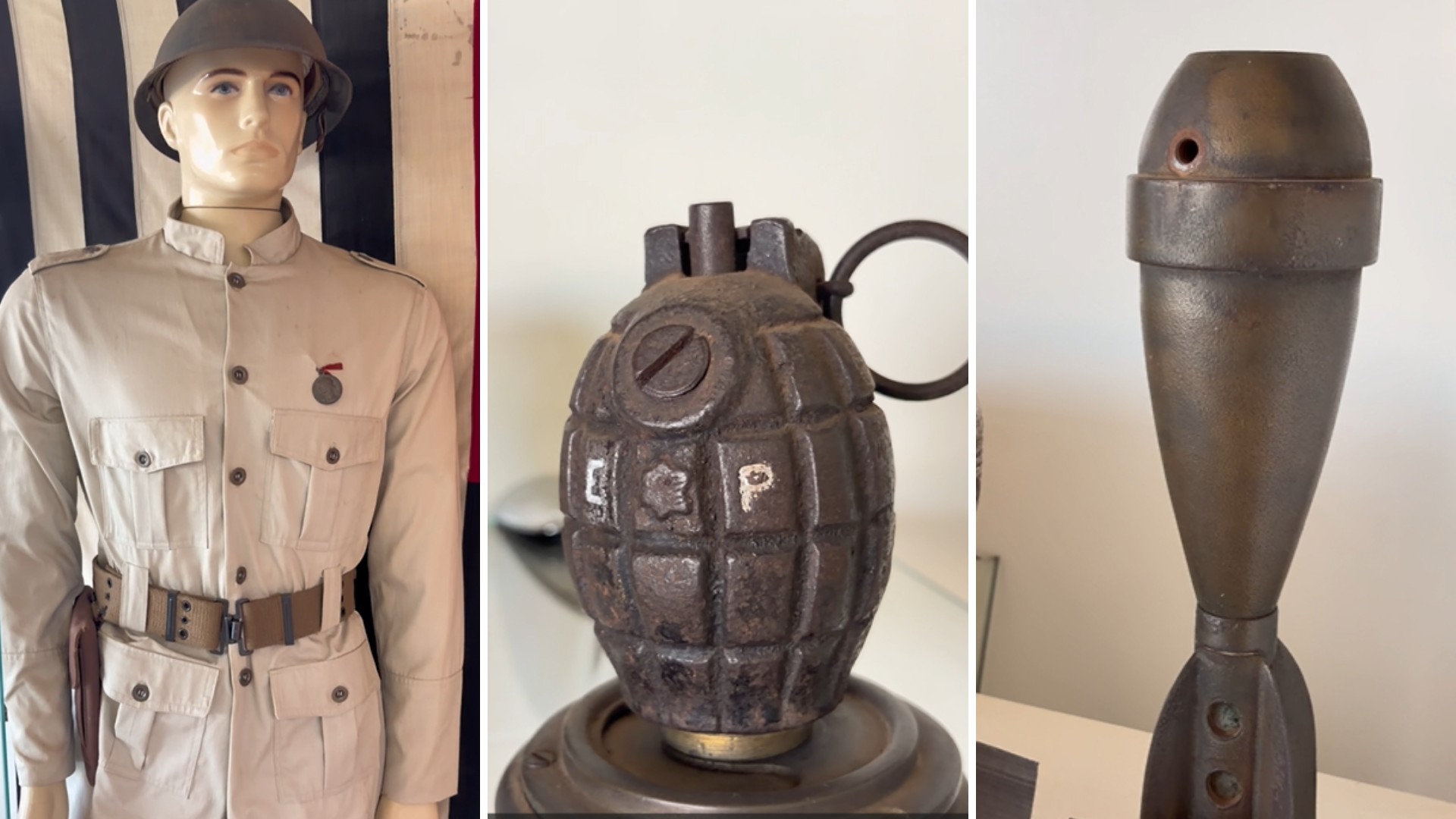
A museum in São José do Rio Preto, São Paulo, is preserving a collection of over 400 historical artifacts from the 1932 Constitutionalist Revolution. This pivotal event saw São Paulo rebel against Getúlio Vargas' provisional government, advocating for a new constitution. Although militarily unsuccessful, the revolution remains a significant milestone in São Paulo's history, commemorated annually with a state holiday. A notable aspect highlighted is the crucial role of women in Rio Preto, who actively sewed uniforms for the combatants. These meticulously crafted garments, along with other items, have survived for over nine decades and are now housed at the headquarters of the Interior Five Policing Command (CPI-5). The museum, established in May 2013, showcases a diverse array of items including weaponry, ammunition, grenades, helmets, military equipment, photographs, newspapers, magazines, posters, and original documents. Many of these pieces were donated by veterans of the revolution or their descendants. The museum's mission extends beyond mere preservation; it aims to instill values of civic duty, patriotism, and respect for democratic institutions and the Constitution. Rio Preto played a vital role as a logistical hub, facilitating the dispatch of fighters, equipment, and supplies to the battlefronts, leveraging its railway network. Among the preserved items is a significant collection belonging to Lieutenant Antonio dos Santos Galante, a combatant who lends his name to the museum space. His personal effects include his original uniform, helmet, weapons, and even metal plates used during the campaign. Galante was also a prominent regional political figure, serving as mayor of Cedral for five terms. The museum, open to the public free of charge from Monday to Friday, requires prior appointment for visits.
The preservation of the 1932 Constitutionalist Revolution's artifacts, particularly uniforms sewn by women, underscores the enduring significance of historical memory and civic engagement. This collection serves as a tangible link to a period of political upheaval, highlighting both military conflict and the societal contributions that supported it. By housing these items, the CPI-5 museum not only safeguards historical objects but also promotes values of patriotism and constitutionalism. The initiative demonstrates how regional institutions can play a crucial role in curating national narratives, offering a counterpoint to centralized historical accounts. Future efforts could explore how such collections can be digitized and made more accessible, leveraging technology to educate broader audiences about the complexities of historical movements and the diverse roles individuals played within them, particularly those often overlooked in traditional historical accounts.
AI-generated to prompt reflection — not editorial opinion, not advice, not a statement of fact. How this works.