São Paulo Offers Free July School Holiday Activities for Children at 63 CEUs
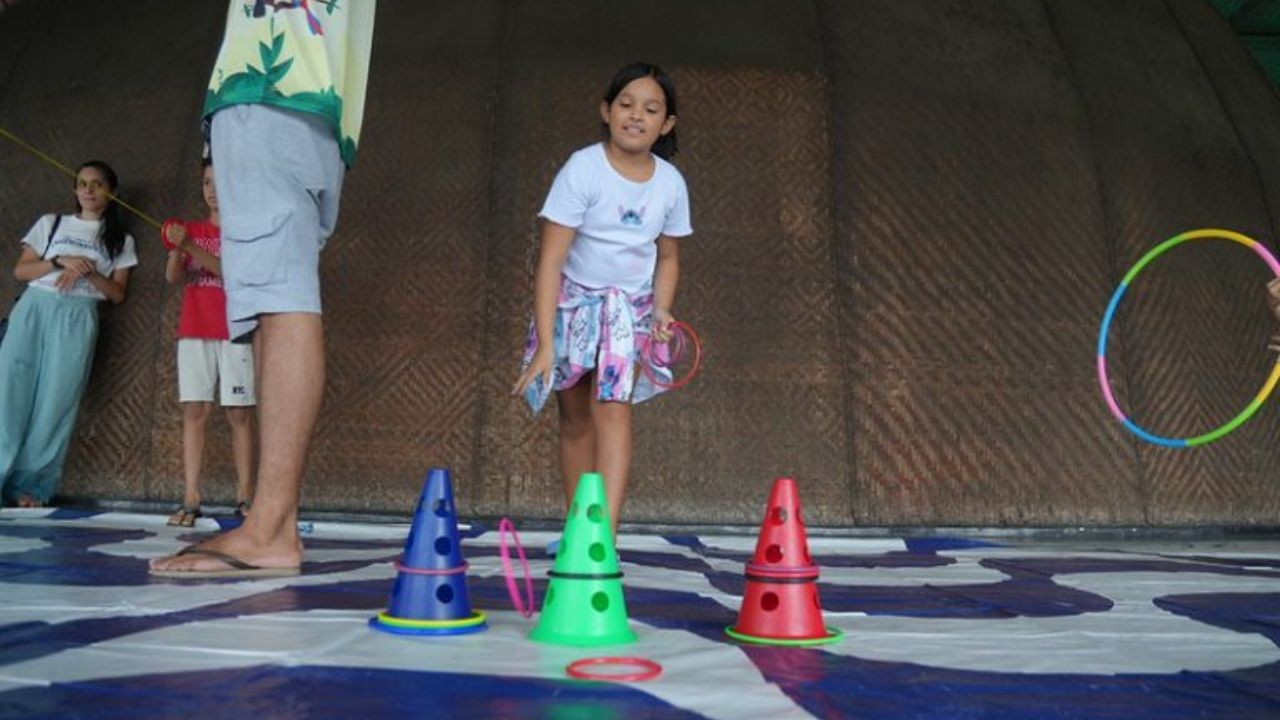
The São Paulo City Hall has organized a free program of leisure, sports, culture, and tourism activities for children and adolescents during the July school holidays. This initiative, involving five municipal secretariats, aims to reach over 50,000 participants across the city. The "Recreio nas Férias" (Recess During Holidays) program, now in its 48th edition, will run from July 13th to 17th at 133 locations, including 63 Unified Educational Centers (CEUs). Activities will encompass workshops, sports, recreation, cultural performances, and excursions to museums, theaters, parks, and other public venues. For infants and children up to 3 years old, care will be provided at Early Childhood Education Centers (CEIs) from 7 AM to 5 PM, with five daily meals. Children aged 4 to 14 will participate in activities from 8:30 AM to 4:30 PM, including breakfast, lunch, and an afternoon snack. Free registration requires an in-person visit to a participating CEU with the guardian's ID, the child's document, and proof of residence. Children not enrolled in municipal schools are also welcome if they are 4 years or older. Beyond "Recreio nas Férias," the program includes 30 free routes from the "Vai de Roteiro" (Go by Route) program, "Agita + Férias" (Get Moving + Holidays) activities at sports centers, and various workshops, shows, and storytelling sessions in libraries, theaters, cultural centers, and parks throughout the city. A complete list of participating units and addresses is available on the official CEU website.
The São Paulo municipal government's initiative to provide free holiday activities for children highlights a public service commitment to supporting families and engaging youth during school breaks. By leveraging existing infrastructure like CEUs and integrating multiple secretariats, the city demonstrates an effort towards efficient resource utilization. Such programs can address potential gaps in childcare and enrichment opportunities, particularly for lower-income families. Looking ahead, the scalability and sustainability of these initiatives will be key considerations, especially as urban populations grow and demand for public services increases. Evaluating the long-term impact on child development and community well-being, alongside the operational costs and logistical complexities, will inform future planning and resource allocation for similar public engagement efforts.
AI-generated to prompt reflection — not editorial opinion, not advice, not a statement of fact. How this works.