São Paulo Offers Free Sailing Lessons for Youth at Guarapiranga Reservoir
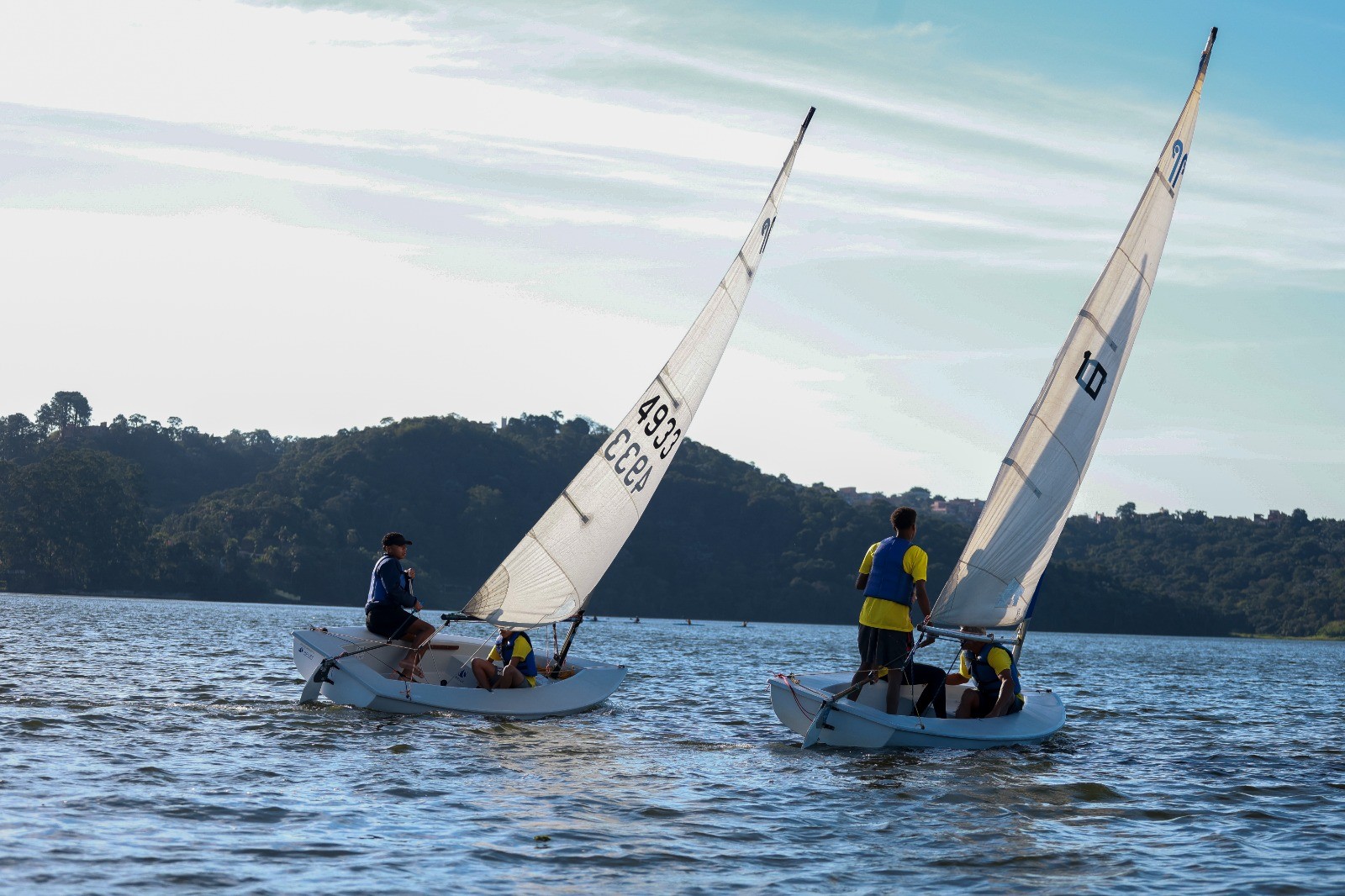
The São Paulo City Hall is providing free sailing classes for children and young people aged 7 and older at the Guarapiranga Nautical Sports Center, located in the southern zone of the capital. These activities take place on the Guarapiranga Reservoir and are supervised by specialized instructors with a structure designed for the safe practice of the sport. The municipal administration aims to increase access to sports and foster new athletes in a discipline often perceived as expensive. The curriculum covers theoretical aspects such as meteorology, seamanship, and knot-tying for boat assembly, alongside practical on-water training with a strong emphasis on safety protocols and the use of protective equipment. Rodrigo Paraizo, 40, the instructor in charge, highlights that learning begins with understanding wind and weather patterns, seamanship, and boat rigging, all taught on land before students take to the water. Safety procedures, including wearing life vests and preparing the boat correctly, are integral to the initial training. Sixteen-year-old student Kaique Lopes, who resides in Jardim Horizonte Azul, aspires to a professional sailing career and dreams of becoming an Olympic athlete. The Guarapiranga Nautical Sports Center has a history of success, having won titles such as the Taça dos Lagos and the Brazilian Championship of the Dingue Class. Sailing is also Brazil's most successful Olympic sport in terms of gold medals. Enrollment requires in-person registration at the center with a 3x4 photo, RG, CPF, and proof of residence, subject to vacancy availability and a technical assessment.
This initiative by the São Paulo City Hall democratizes access to sailing, a sport historically linked to high socioeconomic status. By offering free lessons, the program addresses potential barriers to entry, fostering talent development and broader participation. The curriculum's blend of theoretical and practical knowledge, emphasizing safety, indicates a structured approach to skill-building. From a systemic perspective, such programs can cultivate a more diverse pool of athletes, potentially enhancing Brazil's performance in international competitions. The long-term impact may include increased community engagement with water sports and a more inclusive sporting landscape, challenging traditional exclusivity in niche athletic disciplines.
AI-generated to prompt reflection — not editorial opinion, not advice, not a statement of fact. How this works.