São Paulo Opens Emergency Shelter Amid Forecast of Intense Cold
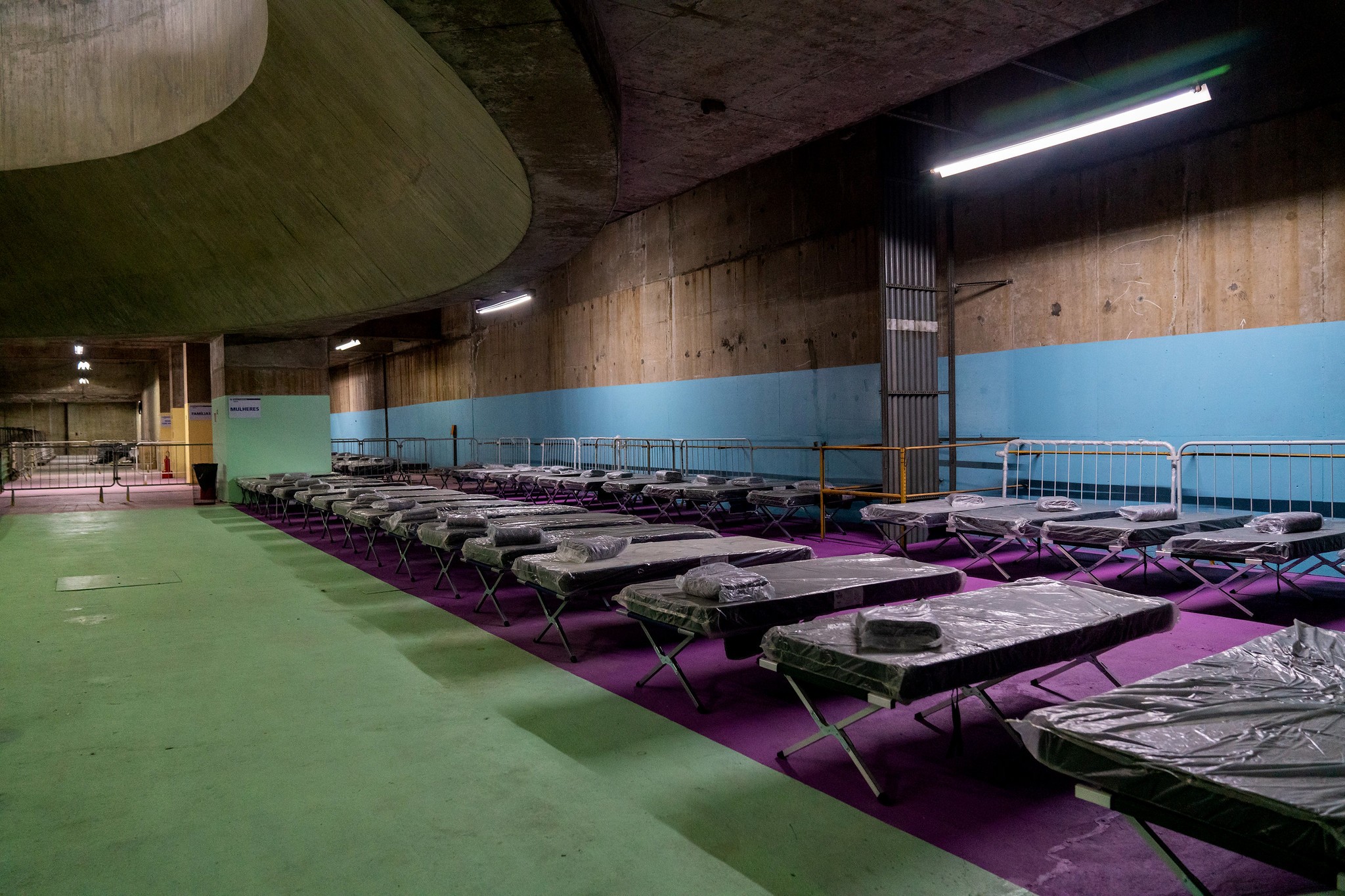
The government of São Paulo is launching an emergency shelter, known as Abrigo Solidário, at the Pedro II Metro station on Line 3-Red in the state capital. This initiative will begin at 7 PM on Monday, May 13th, and will operate until 8 AM on Thursday, May 16th, to provide refuge for homeless individuals during a period of anticipated intense cold. The state's Civil Defense agency forecasts a significant drop in temperatures between Tuesday, May 14th, and Thursday, May 16th, with the metropolitan region of São Paulo expected to see a low of 8°C. Temperatures are projected to gradually rise starting Thursday. This collaborative effort involves partnerships with the Metro, the Secretariat of Metropolitan Transport, the Secretariat of Social Development, and the Social Fund. The shelter will offer food, mattresses, blankets, and general support. Notably, pets are also welcome and will receive necessary care. Upon departure in the morning, individuals will receive a voucher for breakfast at the Bom Prato restaurant on Rua 25 de Março. Beyond the capital's efforts, the Civil Defense is also supplying municipalities across São Paulo with kits to establish temporary shelters. These kits contain essential items such as folding beds, mattresses, pillows, blankets, and bedding, and are provided upon request by local city halls, contingent on the submission of a contingency plan.
The São Paulo government's activation of an emergency shelter addresses an immediate humanitarian need driven by forecasted extreme weather. This response highlights the critical role of public infrastructure and inter-agency cooperation in mitigating the risks faced by vulnerable populations during adverse climate conditions. The provision of resources, including pet care and post-shelter meal vouchers, demonstrates a comprehensive approach to immediate welfare. Looking ahead, such initiatives underscore the growing necessity for robust, long-term strategies to support the homeless population, particularly as climate change may increase the frequency and intensity of extreme weather events. Evaluating the effectiveness and scalability of these emergency measures will be crucial for informing future urban planning and social support systems in the face of evolving environmental and societal challenges.
AI-generated to prompt reflection — not editorial opinion, not advice, not a statement of fact. How this works.