São Paulo Opens Fifth Public Veterinary Hospital for Low-Income Residents
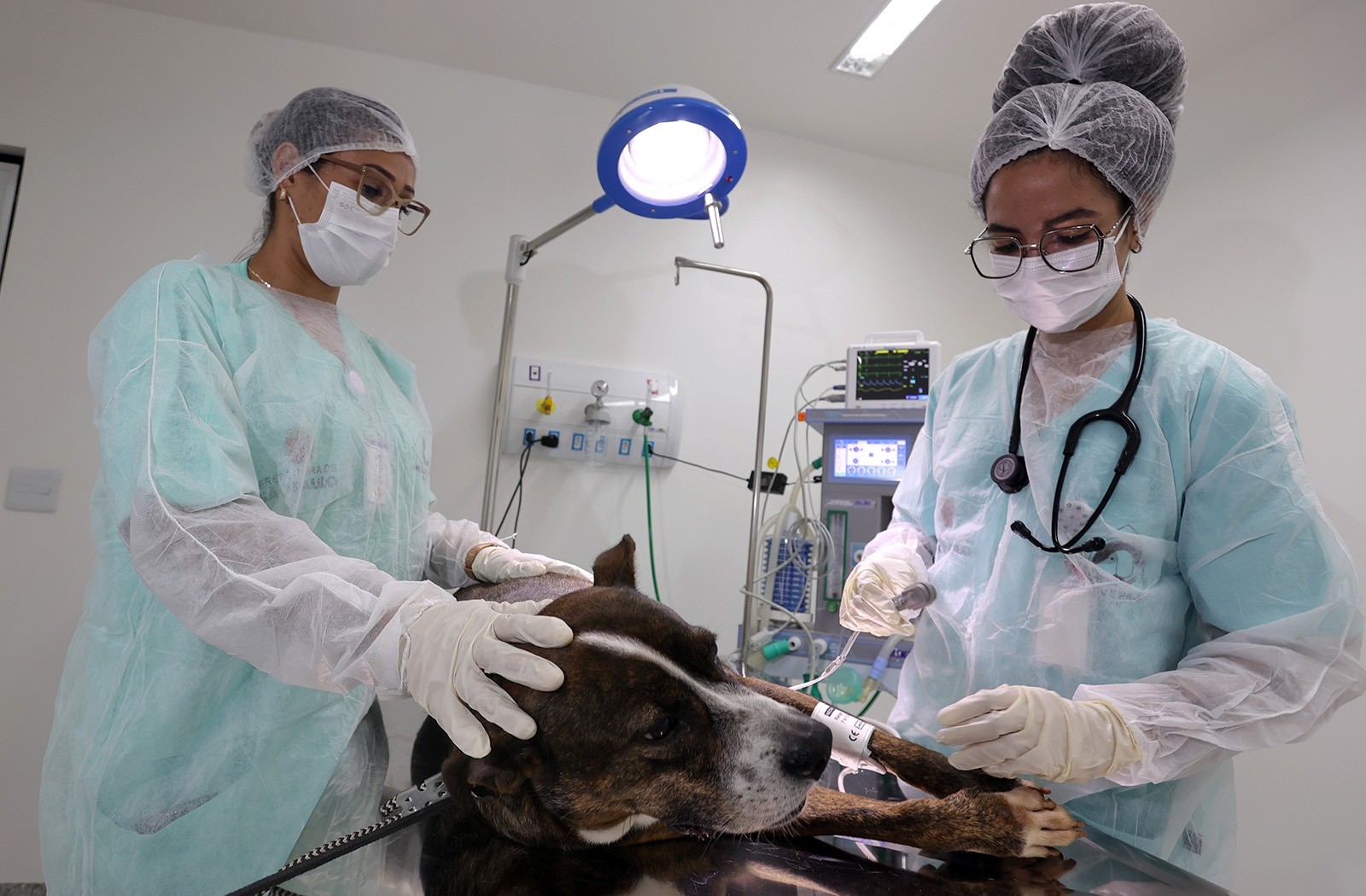
The city of São Paulo inaugurated its fifth public municipal veterinary hospital on Thursday, February 2nd. Named Hospital Veterinário Municipal Cão Caramelo – Unidade Leste II, the new facility is located in São Miguel Paulista, in the East Zone, and began serving the public on Friday, February 3rd. This expansion aims to increase free animal healthcare access for dogs and cats belonging to low-income families. The number of services provided by the public veterinary hospitals has doubled between 2021 and 2025, growing from 122,000 to over 245,000 procedures annually. The new unit is equipped to handle approximately 4,000 appointments monthly and employs 94 staff members, including around 50 veterinarians. Services offered include clinical consultations, surgeries, laboratory tests, X-rays, ultrasounds, electrocardiograms, hospitalizations, and emergency care, along with specialties like ophthalmology, cardiology, endocrinology, neurology, oncology, orthopedics, dermatology, and veterinary dentistry. Eligibility for these free services is restricted to São Paulo residents from low-income households registered in social programs, such as Cadastro Único (CadÚnico). Applicants must present identification, proof of residency, and documentation confirming their social program enrollment. While urgent and emergency cases receive priority, routine appointments are scheduled based on availability. The hospital operates weekdays from 7 AM to 5 PM.
The expansion of São Paulo's public veterinary hospital network reflects a growing recognition of the integral role companion animals play in the well-being of urban populations, particularly those with limited financial resources. By providing free or subsidized veterinary care, the municipality addresses a critical public health and social equity issue, acknowledging that animal health is often intertwined with human health and household economic stability. This initiative can be viewed as a proactive measure to prevent the spread of zoonotic diseases and to alleviate the financial burden on vulnerable families, thereby fostering a more inclusive urban environment. The focus on low-income residents and social program participants highlights a systemic approach to ensuring essential services reach those most in need, potentially serving as a model for other large metropolitan areas grappling with similar socioeconomic disparities and pet ownership trends.
AI-generated to prompt reflection — not editorial opinion, not advice, not a statement of fact. How this works.