São Paulo Parks Offer Free July Vacation Activities: Trails, Birdwatching, Caves
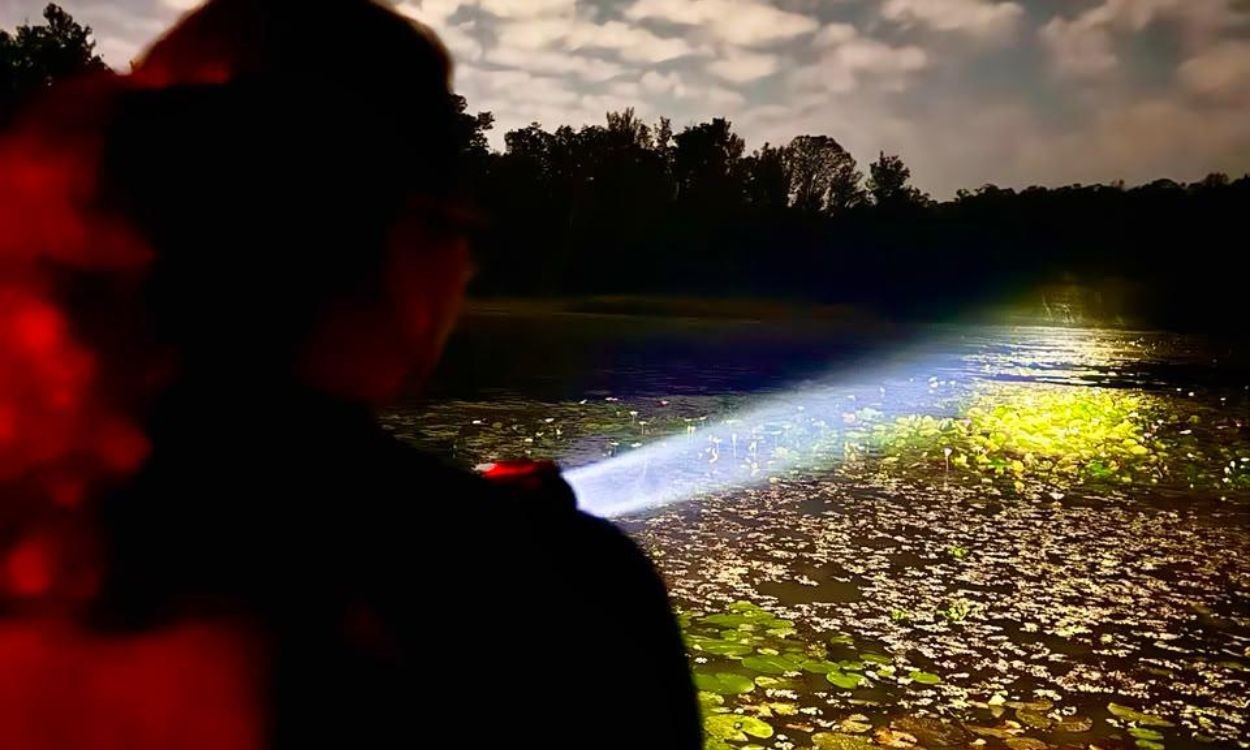
The São Paulo Forest Foundation is hosting a special July vacation program across 35 state conservation units, offering nature-focused activities for visitors. These include guided trails, birdwatching, cave and waterfall tours, camping, and environmental education workshops. The events are spread throughout the month in various state parks, forests, ecological stations, and environmental protection areas managed by the foundation. Some activities are free, while others require advance booking. The initiative aims to connect the public with protected areas and promote awareness of São Paulo's biodiversity. Notable offerings include a camping experience at the Angatuba Ecological Station for nature and stargazing immersion, and forest walks in Atlantic Forest remnants. Other activities focus on identifying wildlife tracks, planting seedlings, and exploring natural landmarks. Each conservation unit provides a unique experience catering to both adventure seekers and families. The program also highlights the crucial role of these units in conserving biodiversity, water resources, and ecosystems. Activities are available in the capital, Greater São Paulo, Baixada Santista, Litoral Norte, Vale do Paraíba, Vale do Ribeira, Sorocaba, Campinas, Piracicaba, Limeira, Rio Claro, central and northeastern interior, northwest, and western São Paulo regions. Specific locations include Cantareira State Park, Jaraguá State Park, Serra do Mar State Park, Caverna do Diabo State Park, and Morro do Diabo State Park, among others. Detailed schedules, times, and booking information can be found on the Forest Foundation's official portal.
This initiative leverages São Paulo's extensive network of conservation units to promote environmental education and public engagement during school holidays. By offering a diverse range of activities, some free of charge, the Forest Foundation aims to increase visitation and foster appreciation for biodiversity and natural resources. This approach aligns with broader trends in ecotourism and environmental stewardship, recognizing the economic and ecological benefits of connecting citizens with nature. The program's success will likely depend on effective communication and accessibility, ensuring that the intended audience is aware of and can participate in the offerings. Future iterations could explore partnerships with educational institutions or local communities to further amplify impact and sustainability.
AI-generated to prompt reflection — not editorial opinion, not advice, not a statement of fact. How this works.