São Paulo Police Colonel Linked to PCC Financial Network in Corruption Probe
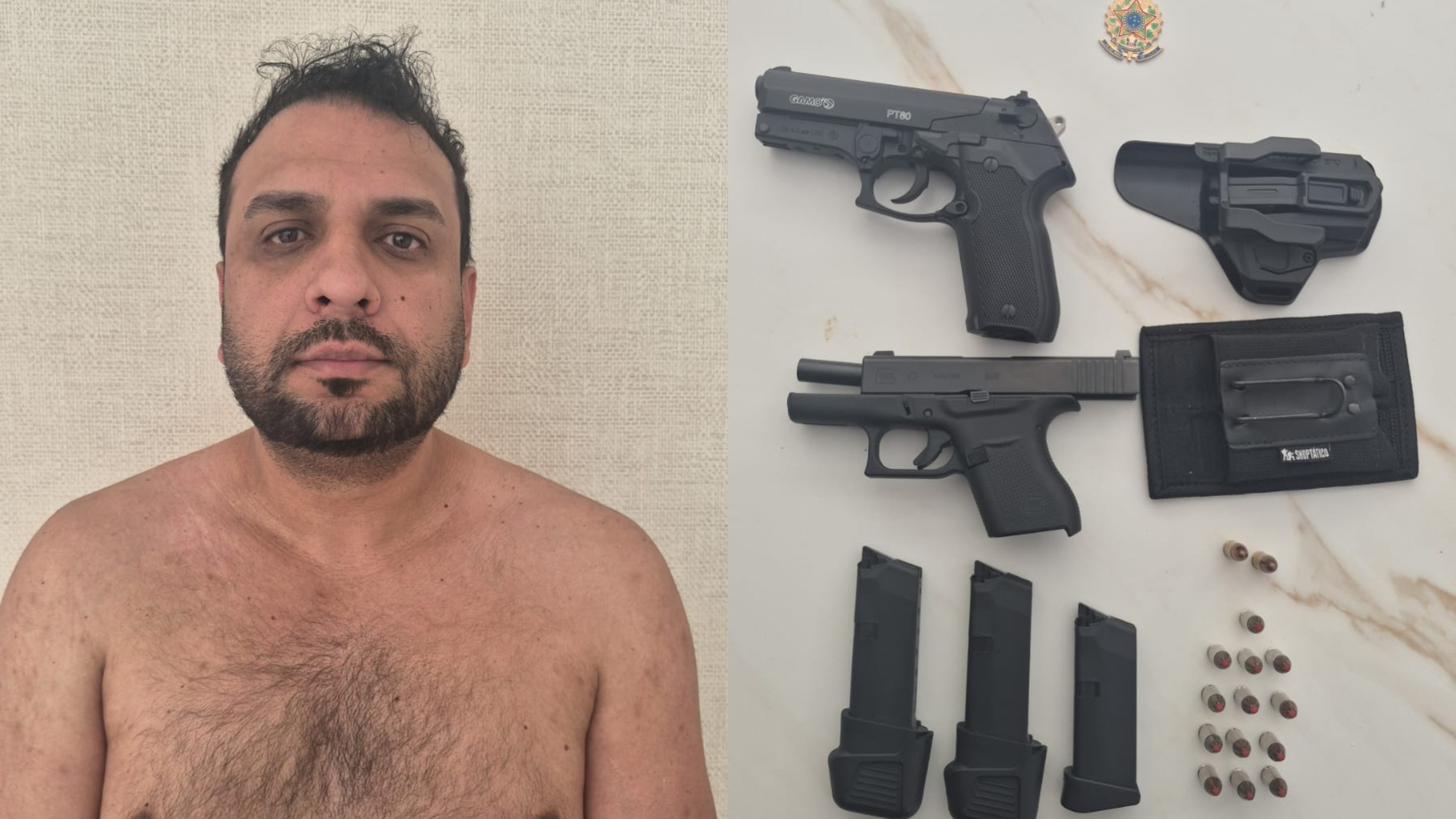
An operation by the Public Prosecutor's Office of São Paulo has uncovered a financial network allegedly used by the First Capital Command (PCC) criminal organization. Central to the investigation is a WhatsApp group named 'aniversário general' (general's birthday), which included Colonel Luiz Carlos Pereira Martins of the São Paulo Military Police. Also present in the group were Cleber Azevedo dos Santos, identified as a PCC associate, and Robson Martins Souza. Prosecutors believe the group's communications, which discussed personal events and celebrations, indicate a close relationship beyond casual acquaintance. Evidence suggests Colonel Martins offered assistance to those under investigation and acted as an intermediary with other authorities.
Further details reveal an audio recording from July 23, 2025, where Cleber Azevedo dos Santos allegedly requested R$ 100,000 in cash to pay off police officers from the State Department of Criminal Investigations (Deic) due to a client's problem. Another part of the investigation uncovered a note indicating a R$ 1,000 cash payment to an individual identified as 'Patrício,' believed to be linked to a practice called 'ticketagem.' Investigators also found records of Cleber Azevedo dos Santos inquiring about funds specifically for 'paying the police.' The operation has led to 13 arrests, with five individuals still at large, including alleged money launderer Leonardo Meirelles. The investigation is a continuation of previous operations targeting the PCC's money laundering schemes, which reportedly involved front companies and straw accounts to obscure the origin of funds used for illicit activities, property purchases, and bribing public officials.
This investigation into a suspected systemic corruption scheme involving the PCC and elements of the São Paulo Military Police highlights the persistent challenge of organized crime infiltrating state institutions. The evidence, including audio recordings and chat logs, suggests a transactional relationship where financial resources from criminal enterprises may have been leveraged to secure protection and operational continuity. The probe's focus on financial mechanisms, such as alleged bribery and money laundering through front companies, underscores the evolving tactics of criminal organizations. Future efforts may need to address not only direct corruption but also the broader governance and oversight mechanisms within law enforcement agencies to prevent such deep-seated infiltration and maintain public trust in the rule of law.
AI-generated to prompt reflection — not editorial opinion, not advice, not a statement of fact. How this works.