São Paulo Poll: Flávio Bolsonaro and Lula Neck-and-Neck in First-Round Presidential Race
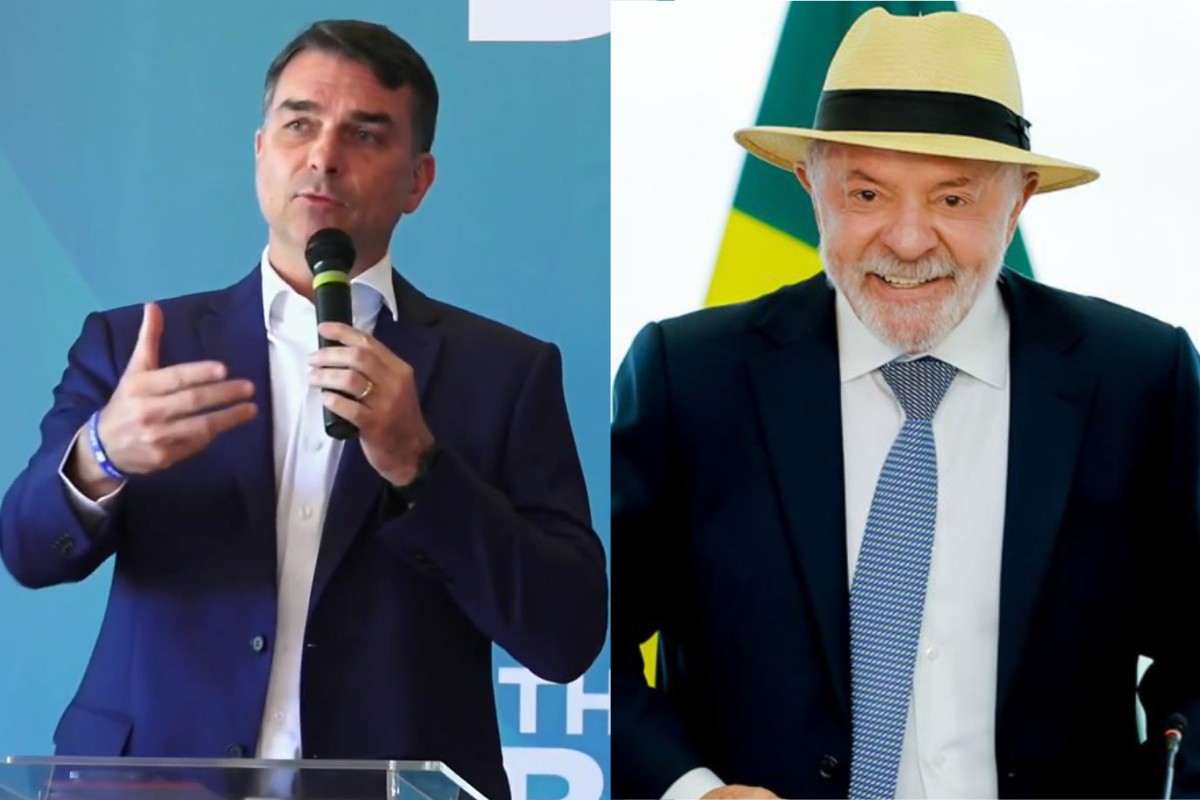
A new Quaest poll conducted in São Paulo reveals a tight race for the presidency in the state's first-round election. Senator Flávio Bolsonaro (PL) leads with 34% of voter intentions, while President Lula (PT) follows closely with 30%. These figures place them within the poll's two-point margin of error, indicating a technical tie. Other candidates, including Renan Santos (Missão), Romeu Zema (Novo), and Ronaldo Caiado (PSD), are numerically tied at 3% each. Augusto Cury garners 2%, followed by Cabo Daciolo and Samara Martins at 1% each. Edmilson Costa and Leonardo Avalanche both registered 0%. A significant 10% of voters remain undecided, with an additional 13% indicating they will cast a blank or null vote, or not vote at all. For 57% of São Paulo voters surveyed, their presidential choice is final, while 42% indicated they might change their minds. The poll also detailed candidate rejection rates, with Lula at 61% and Flávio Bolsonaro at 55%. In simulated second-round scenarios, Lula faces varied challenges. Against Flávio Bolsonaro, Lula trails 35% to 40%. Against Romeu Zema, Lula leads 35% to 33%. Against Ronaldo Caiado, Lula holds a 35% to 34% advantage. Against Renan Santos, Lula is ahead 36% to 30%. The survey, commissioned by Genial Investimentos, interviewed 1,650 voters aged 16 and over between July 23rd and 27th, with a 95% confidence level and a 2-point margin of error. It is registered with the electoral court under number SP-04846/2026.
This poll highlights the closely contested political landscape in São Paulo, a crucial electoral battleground. The data suggests that voter sentiment is highly fluid, with a substantial portion of the electorate still open to changing their choice. The high rejection rates for the leading candidates, Lula and Flávio Bolsonaro, indicate a potential for significant voter volatility and a complex decision-making process driven by factors beyond party affiliation. As the election approaches, the campaigns will likely focus on consolidating their bases while attempting to sway undecided voters and mitigate negative perceptions. The simulated second-round matchups underscore the varying degrees of vulnerability and strength each candidate possesses against different opponents, suggesting strategic considerations will be paramount in the later stages of the campaign.
AI-generated to prompt reflection — not editorial opinion, not advice, not a statement of fact. How this works.