São Paulo Postpones Electronic Toll System Launch on Anchieta-Imigrantes System
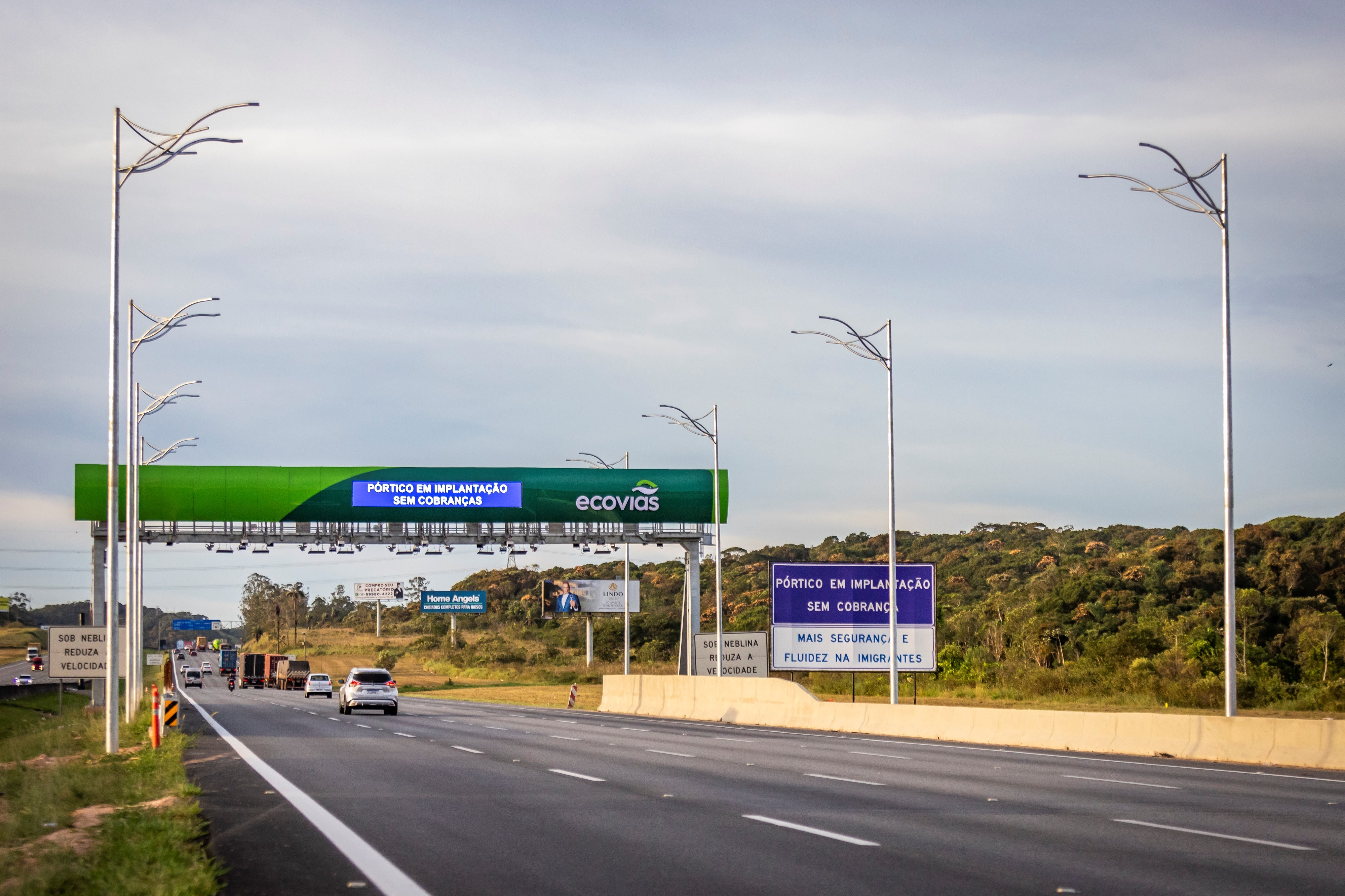
The government of São Paulo has postponed the launch of the "Siga Fácil" electronic toll collection system on the Anchieta-Imigrantes System (SAI). The system was originally scheduled to begin operation on August 1st, but a new date has not yet been announced. This delay follows the operational testing phase, which revealed the need to relocate one of the toll gantries on the Imigrantes Highway towards the capital. The gantry intended for kilometer 29 of the Imigrantes Highway, heading towards the capital, will now be moved to kilometer 38 on the same highway. The other gantries will remain in their designated locations: kilometer 29 of the Imigrantes Highway towards the coast, and kilometer 33 of the Anchieta Highway. Until the new system is operational, drivers will continue to use the current toll collection model. The physical toll plazas at kilometer 31 of the Via Anchieta in Riacho Grande and kilometer 32 of the Imigrantes Highway in Piratininga will continue to operate normally, charging a R$ 40.60 toll only for traffic heading towards the coast. Once the "Siga Fácil" system is implemented, the physical toll plazas will be replaced by electronic gantries. The toll will be divided between the descent and ascent of the mountain, with a R$ 20.30 charge for each direction.
The postponement of the "Siga Fácil" electronic toll system highlights the complexities of large-scale infrastructure deployment, particularly when involving technological integration and physical site adjustments. The necessity to relocate a gantry indicates potential challenges in initial planning or site surveying, underscoring the importance of thorough pre-implementation assessments. This delay, while inconvenient, allows for a more robust and potentially less error-prone rollout of a system designed to modernize toll collection and potentially optimize traffic flow. The shift to electronic, split-direction charging suggests a move towards more dynamic pricing and collection models, which could influence traffic patterns and revenue streams over the long term, requiring ongoing analysis of its economic and logistical impacts.
AI-generated to prompt reflection — not editorial opinion, not advice, not a statement of fact. How this works.