São Paulo Projects Transform Waste Oil and Foster Community Gardens
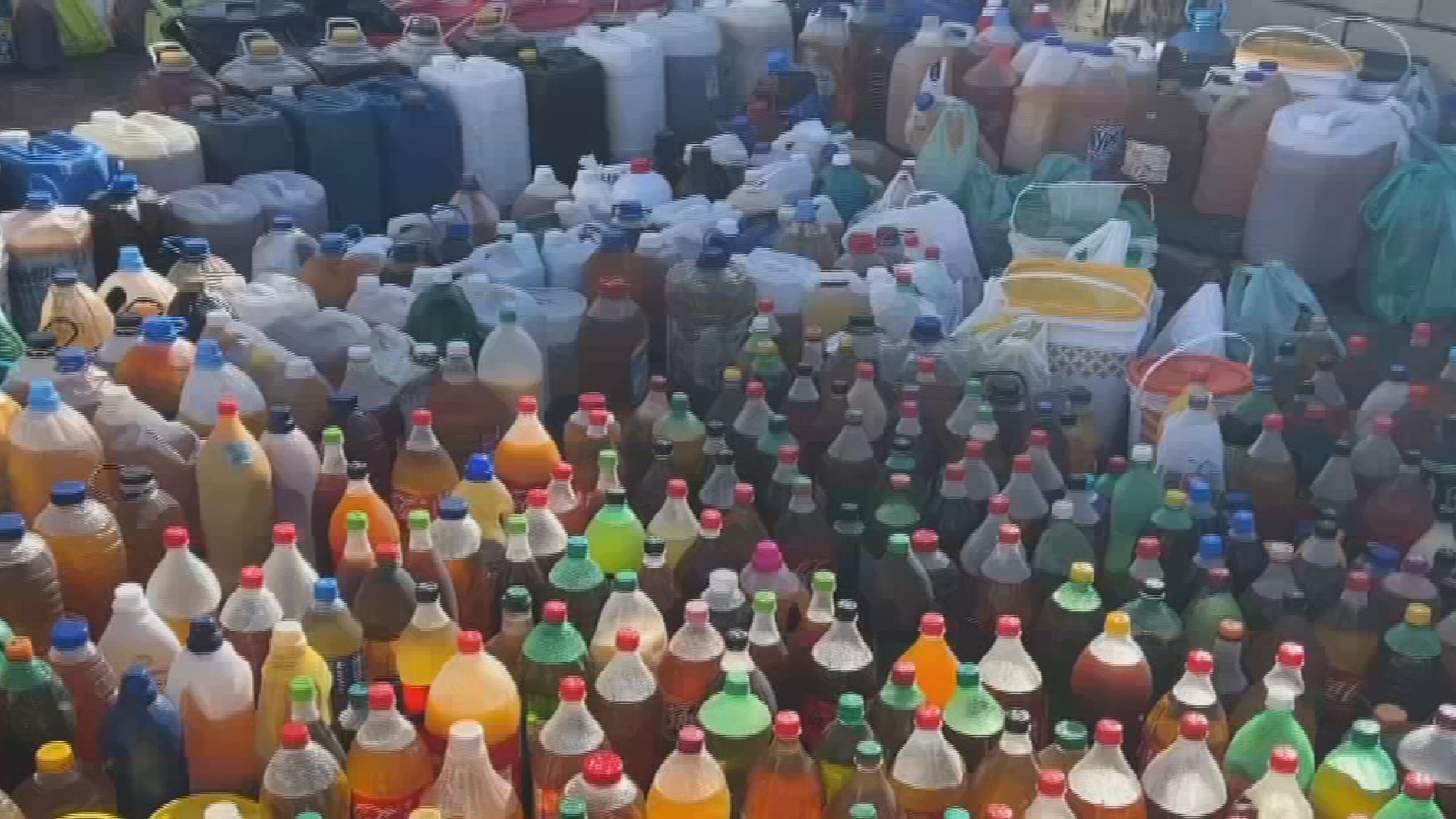
Two initiatives in the interior of São Paulo are demonstrating the power of community engagement in promoting sustainability and social solidarity. In Tupã, the 'Óleo do Bem' (Oil for Good) project, in partnership with Unesp's 'Recicóleo', collects used cooking oil from students and residents. A recent event at Etec de Tupã saw students collect over 4,813 liters of used oil, which is exchanged for ecological soap bars. This collected oil is then used as raw material for biodiesel production. According to Professor Paulo Barbosa dos Santos, this action has prevented the contamination of 120 million liters of water and avoided the emission of 57 tons of CO2. The project, which is celebrating its fifth anniversary, currently operates 21 collection points in Tupã.
Meanwhile, in Birigui, former vacant or abandoned public spaces have been revitalized into green belts, establishing a network of community gardens and family farming areas. This initiative encompasses 57 community gardens and five family farming zones, covering nearly 113,000 square meters of organic cultivation. The project ensures food security for approximately 1,300 families through a collaborative harvest distribution system. One-third of the produce is for the families managing the plots, another third can be sold locally to generate supplementary income, and the final third is donated to the municipal Food Bank, which supports 14 charitable organizations. Participants find therapeutic benefits, and residents appreciate the immediate access to fresh, organic produce.
These initiatives highlight the potential for localized, community-driven solutions to address environmental challenges and enhance social well-being. By repurposing waste cooking oil and cultivating community gardens on underutilized public land, these projects offer a scalable model for resource management and food security. The 'Óleo do Bem' project's success in preventing water contamination and reducing carbon emissions demonstrates a tangible environmental benefit derived from waste valorization. Similarly, the Birigui community gardens not only provide fresh produce and economic opportunities but also foster social cohesion and transform urban landscapes. These bottom-up approaches, when supported by educational outreach and collaborative frameworks, can empower citizens and create resilient local economies, offering a counterpoint to centralized, often less adaptable, top-down environmental policies. Future considerations might involve exploring broader integration with municipal waste management strategies and enhancing the economic viability of produce sales to ensure long-term sustainability.
AI-generated to prompt reflection — not editorial opinion, not advice, not a statement of fact. How this works.