São Paulo Prosecutor Charges Businessman with Negligent Homicide in Nutritionist's Death
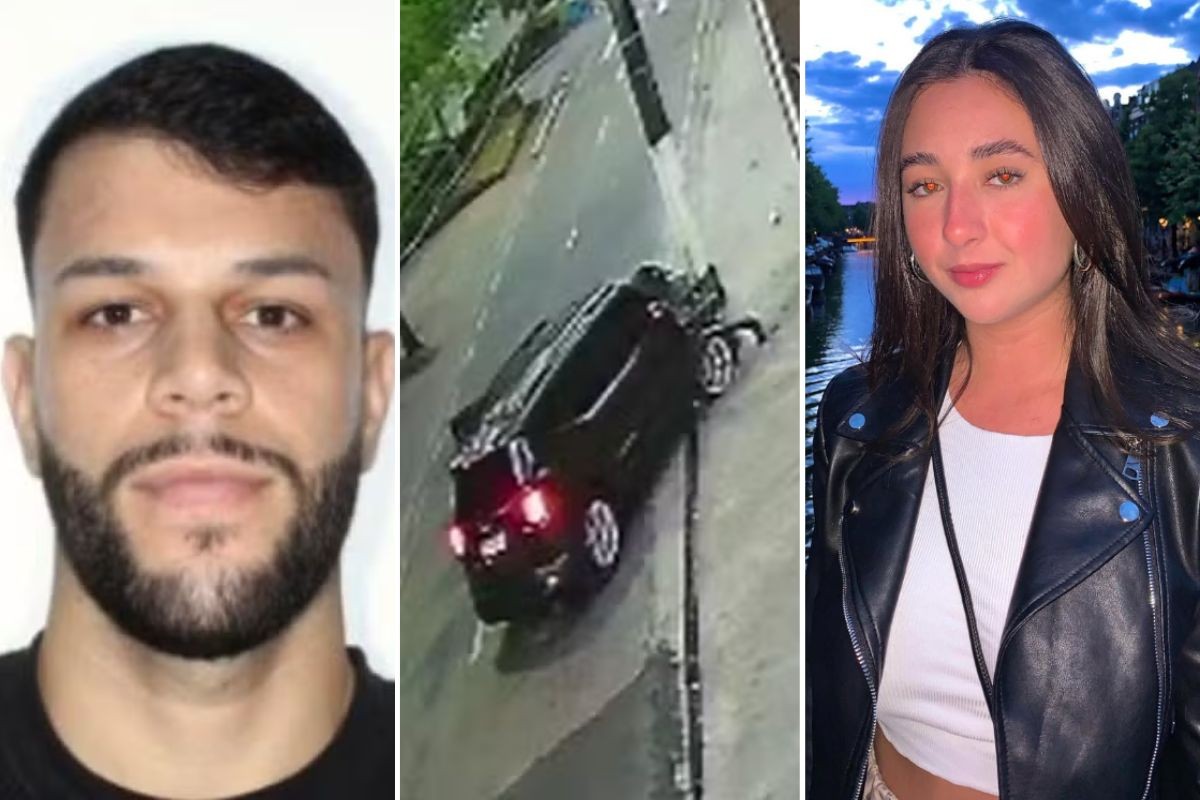
The Public Prosecutor's Office of São Paulo (MP-SP) has formally charged businessman Murilo Rabello Abite, 26, with negligent homicide and negligent bodily injury following a fatal car accident. The incident resulted in the death of 25-year-old nutritionist Daniella Ferraz Rooth. Abite was allegedly driving under the influence of alcohol when the vehicle, carrying eight occupants, crashed into a pole in Guarujá, on the São Paulo coast. The accident occurred in the Pitangueiras neighborhood, with other passengers sustaining minor injuries. Abite was arrested for refusing a breathalyzer test, with his intoxication later confirmed by a medical-legal institute examination. Although initially detained, he was released on bail of R$ 8,105 (approximately five minimum wages) after a custody hearing. The prosecution is seeking a minimum compensation of R$ 100,000 for Daniella's heirs and approximately R$ 4,800 for another injured passenger. The prosecutor's office cited Abite's "reckless and negligent" actions, including driving while intoxicated and allowing passengers in the rear seat to travel without seatbelts. Daniella's death was attributed to severe traumatic brain injury and hemorrhagic shock. The court has not yet accepted the charges, meaning Abite is not formally considered a defendant. His defense stated they are reviewing the accusations and will respond accordingly. Abite claims he had consumed only two beers and had waited several hours before driving, consuming water. He stated he lost control of the vehicle after hitting a pothole on Leomil Avenue.
This case highlights the severe consequences of impaired driving and potential systemic issues in road safety enforcement and judicial processes. The prosecution's charges detail negligence not only in the act of driving under the influence but also in failing to ensure passenger safety through seatbelt use. The subsequent release on bail, despite the gravity of the charges, raises questions about the balance between pre-trial liberty and public safety. As AI-driven analytics become more integrated into traffic management and enforcement, future systems may offer enhanced capabilities for detecting and preventing impaired driving, alongside more sophisticated risk assessments for bail decisions. The incident underscores the ongoing societal challenge of mitigating risks associated with alcohol consumption and vehicular operation, particularly among young adults.
AI-generated to prompt reflection — not editorial opinion, not advice, not a statement of fact. How this works.