São Paulo Prosecutor Investigates Racial Discrimination Claim Against PUC-Campinas Student
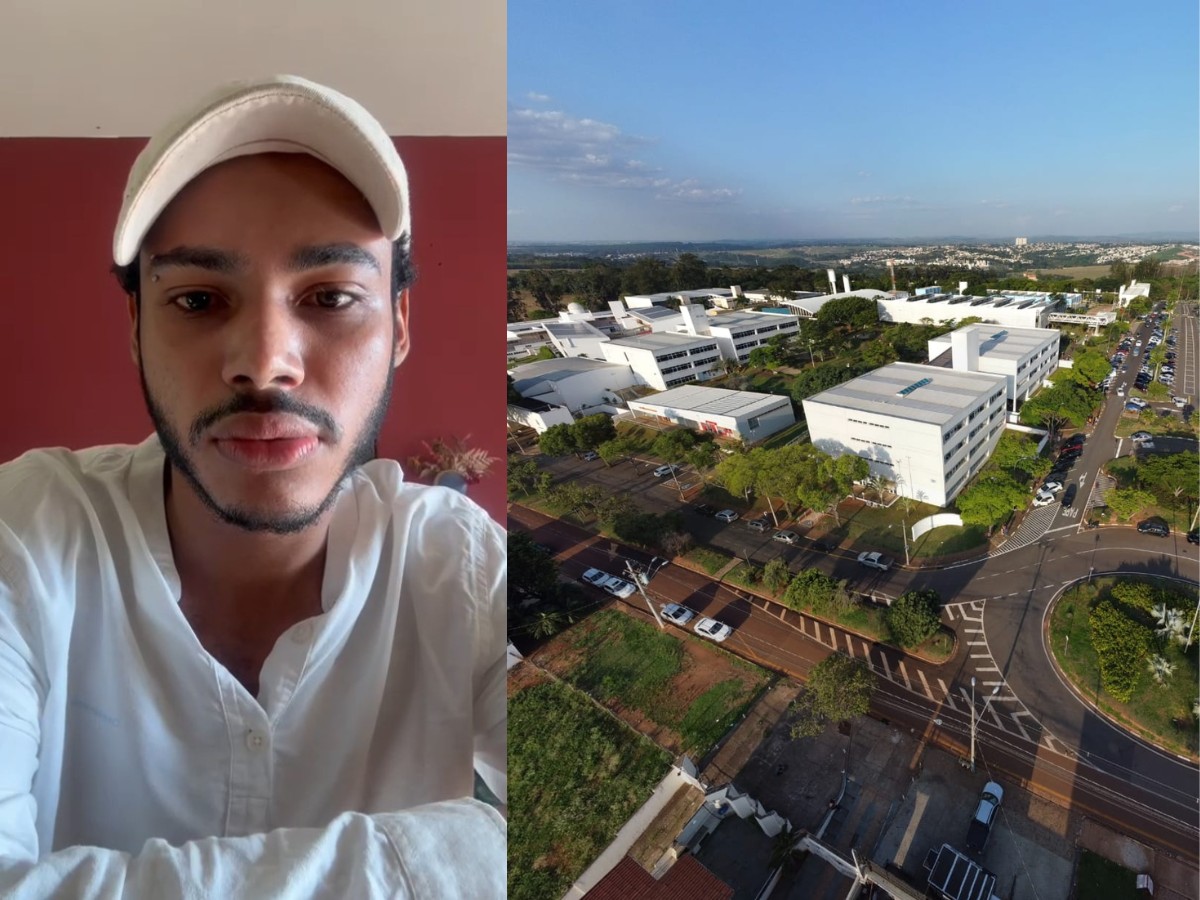
The São Paulo Public Prosecutor's Office (MP-SP) has opened a civil inquiry to investigate allegations of racial discrimination against Gabriel Henrique Domiciano, a former student at PUC-Campinas. The case gained public attention after Domiciano reported being followed and questioned by university security guards on campus in May 2025. He subsequently left his Public Relations course at the university in early 2026. The MP-SP initiated the inquiry on July 21, 2026, after the complaint, initially shared on social media, was brought to the attention of the Public Prosecutor's Office. While the university launched its own administrative disciplinary procedure to investigate the incident, the MP found that a prior preparatory procedure had expired and further investigation was necessary. A Human Rights Center assessing the university's response noted that PUC-Campinas had taken some administrative steps, including internal reviews and specialized support. However, the center deemed the university's actions only partially sufficient, highlighting a lack of institutional acknowledgment of the impact on the student, limited transparency regarding the internal investigation's outcomes, and insufficient details on any reparations. The center also pointed out difficulties in reconciling the university's conclusion of no wrongdoing with its adoption of disciplinary and corrective measures.
This case highlights the critical need for robust institutional frameworks to address allegations of racial discrimination within educational settings. The Public Prosecutor's Office's intervention underscores the potential for systemic issues when initial university responses are perceived as insufficient. The analysis by the Human Rights Center suggests a gap between internal disciplinary processes and the perceived impact on the affected individual, particularly concerning transparency and reparations. Moving forward, institutions must prioritize clear communication, comprehensive impact assessments, and equitable redress mechanisms to rebuild trust and ensure a truly inclusive environment, especially as AI-driven systems increasingly influence campus operations and student interactions.
AI-generated to prompt reflection — not editorial opinion, not advice, not a statement of fact. How this works.