São Paulo Prosecutors Find Reduced Overcrowding at Regional Hospital After Patient Transfers
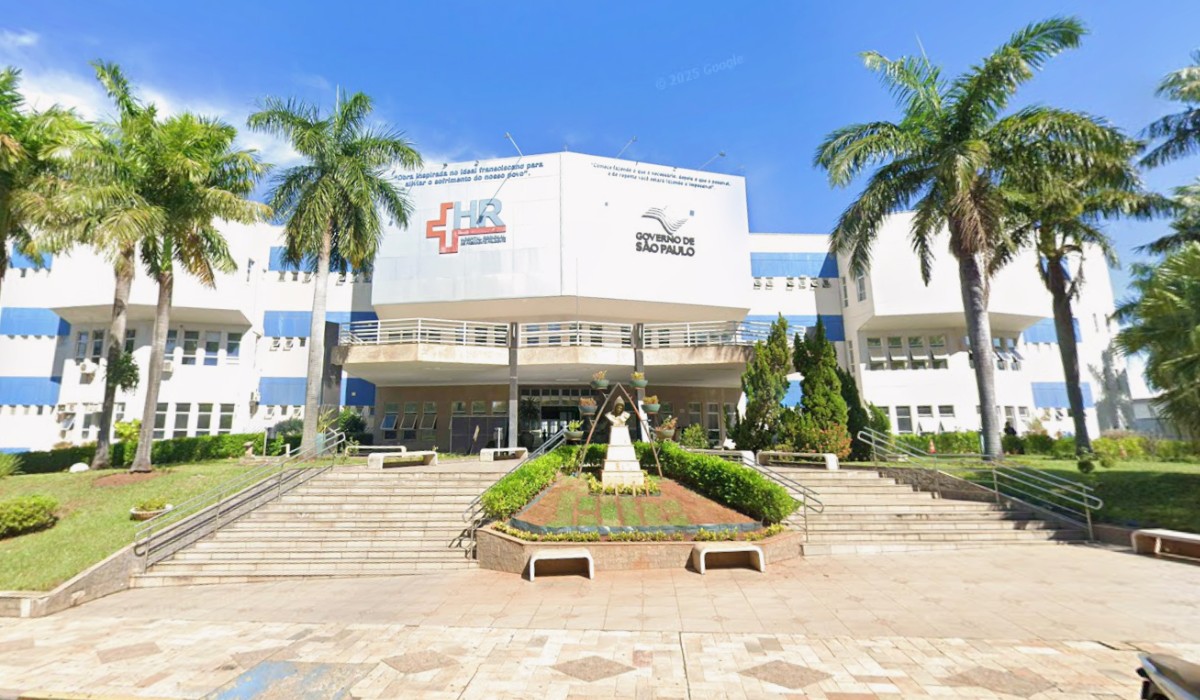
The Public Prosecutor's Office of São Paulo State (MP-SP) conducted an inspection at the Regional Hospital (HR) in Presidente Prudente on Monday, June 3rd, and observed a significant decrease in patient overcrowding. Approximately 15 days prior, the hospital had around 60 patients occupying beds in the corridors. During the recent inspection, only two individuals were waiting for exams and were not admitted as inpatients. This improvement follows the initiation of patient transfers from the HR to other healthcare facilities, a strategy announced by the State Secretary of Health, Eleuses Paiva. The goal of these transfers is to alleviate the burden on the Presidente Prudente Regional Hospital, which serves as a key center for medium and high-complexity treatments for the Western Paulista region, as well as parts of Paraná and Mato Grosso do Sul. Prosecutor Mário Coimbra stated that the situation now indicates the crisis has been overcome, attributing the swift intervention to the Regional Development Secretariat (DRS). Despite the current relief, Coimbra emphasized the need to expand agreements between the State Health Secretariat and regional philanthropic hospitals. This would allow medium-complexity cases to be treated elsewhere, freeing up the Regional Hospital to focus on high-complexity surgeries. The Public Prosecutor's Office will continue to monitor the situation and plans to visit other regional hospitals to assess bed availability and prevent future overcrowding, with a current focus on surgical procedures and hospital bed support for all SUS patients in the region.
The successful reduction in hospital overcrowding through patient transfers highlights the effectiveness of coordinated inter-institutional strategies in managing healthcare system strain. This event underscores the critical importance of proactive resource allocation and inter-facility collaboration to prevent critical bottlenecks. Moving forward, the focus on expanding partnerships with philanthropic hospitals suggests a systemic recognition of the need for distributed care models. This approach could mitigate future crises by ensuring that specialized facilities like the Regional Hospital can concentrate on their core competencies, while a broader network handles less complex cases, thereby optimizing overall public health resource utilization and resilience in the face of demographic and epidemiological shifts.
AI-generated to prompt reflection — not editorial opinion, not advice, not a statement of fact. How this works.
