São Paulo Prosecutors Target PCC Financial Network and 'Crime Tribunals'
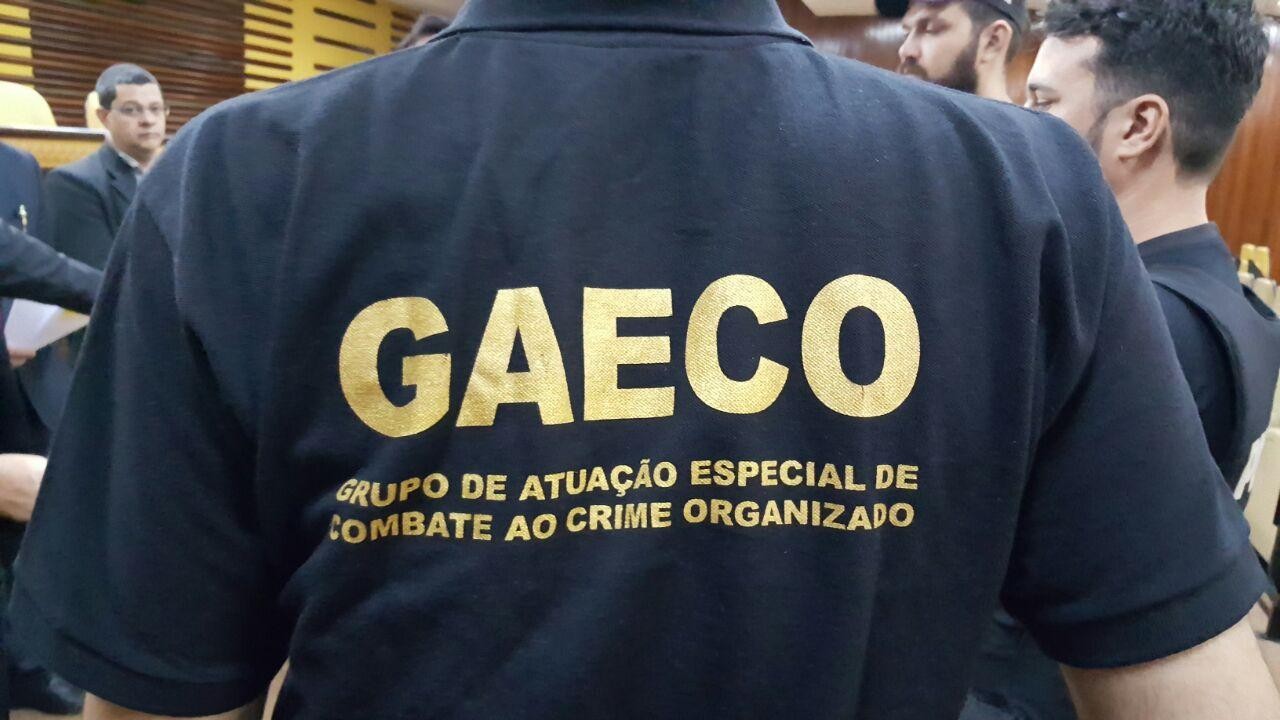
The São Paulo Public Prosecutor's Office has launched an operation targeting a clandestine financial organization believed to be the logistical arm of organized crime, serving both common criminals and leaders of the First Capital Command (PCC). The operation, conducted by the Special Action Group to Combat Organized Crime (Gaeco), resulted in 25 search and seizure warrants and 18 pre-trial detention orders. Investigators found that the network acted as a banking service, providing a veneer of legality to illicit funds. Transactions involving large sums via "TED por vivo" (a type of electronic transfer) were identified, with cash from illegal sources being funneled through shell companies and laundered with commissions paid to money changers, lacking legitimate commercial justification. Leonardo Monteiro Moja, known as Léo do Moja or Léo do Moinho and a key PCC figure accused of leading drug trafficking in São Paulo's Favela do Moinho, was identified as a major client. He allegedly used the financial operators to purchase assets without using his own name, receiving cash in return. The network's influence extended to resolving private disputes, including a conflict over luxury properties at Riviera de São Lourenço, where the faction intervened on behalf of businessman Cléber Azevedo dos Santos. The investigation gained momentum from audio recordings made by a participant in the PCC's internal "crime tribunals," detailing prison histories, connections, and conduct rules. To disrupt the financial flow, prosecutors secured court authorization to block up to R$10 million in assets and accounts linked to the operators and shell companies, aiming to dismantle the money laundering structure.
This operation highlights the sophisticated financial infrastructure supporting organized crime, demonstrating how illicit organizations leverage seemingly legitimate business structures for money laundering. The involvement of the PCC in resolving private property disputes underscores the blurring lines between criminal enterprise and quasi-governmental functions within communities where state authority may be less present. The reliance on "crime tribunals" for internal governance and evidence gathering suggests a parallel legal system operating outside state control. Future efforts to counter such networks will likely require enhanced financial intelligence sharing, robust anti-money laundering regulations, and strategies to address the underlying societal factors that may create space for these organizations to thrive and offer alternative dispute resolution mechanisms.
AI-generated to prompt reflection — not editorial opinion, not advice, not a statement of fact. How this works.