São Paulo Rail Transport Disrupted by Signal and Train Failures
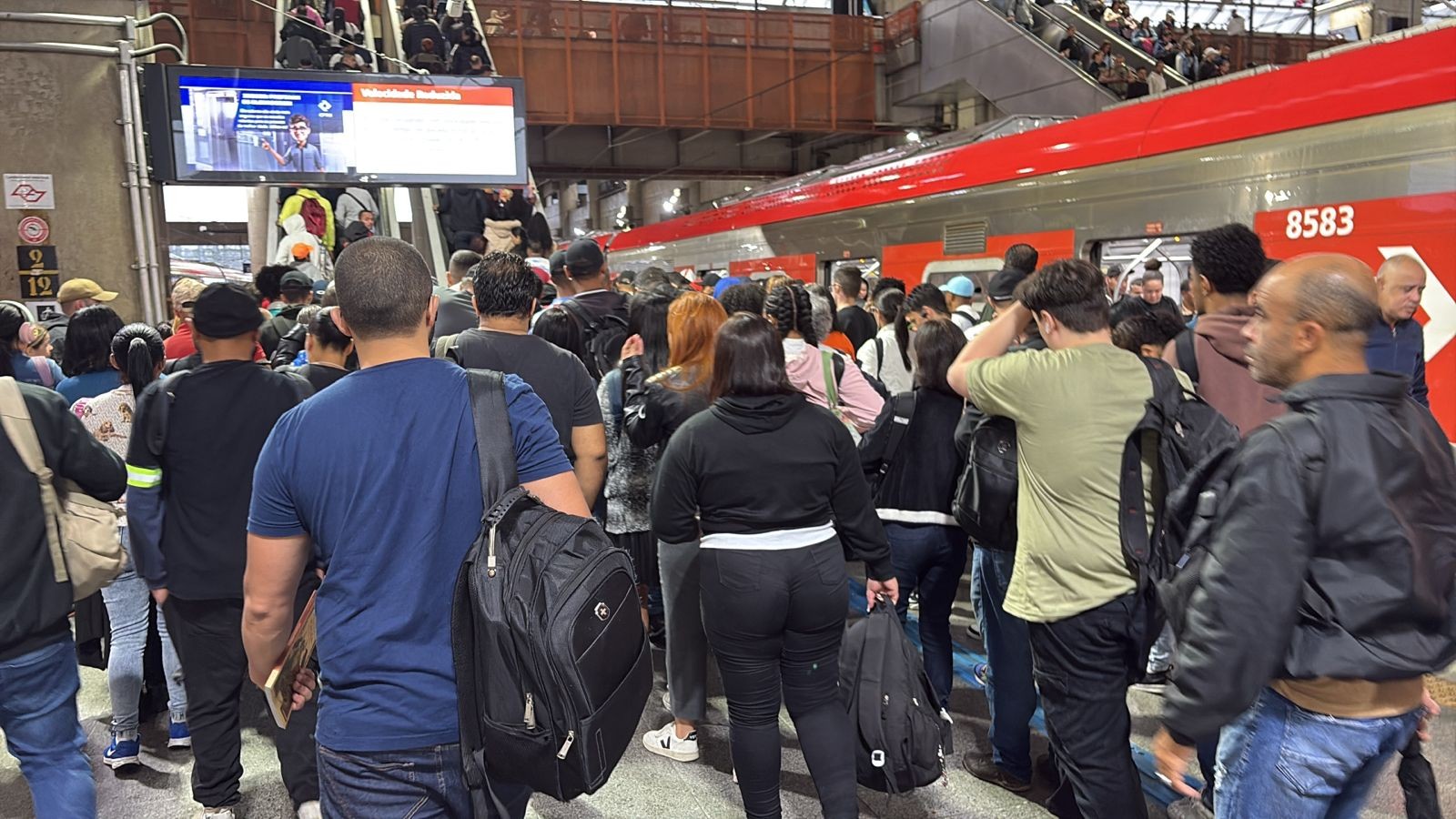
Two separate failures significantly disrupted São Paulo's rail transport system on Friday, July 17th, causing delays and increased travel times for commuters. The CPTM's Line 12-Safira experienced reduced speeds and longer stops between Engenheiro Goulart and Tatuapé stations. This slowdown was attributed to a signaling failure, which CPTM reported was caused by vandalism involving cut cables. Maintenance teams were deployed to address the issue, leading to speed restrictions in the affected section. CPTM expressed regret for the inconvenience caused to passengers. Separately, the Metro's Line 1-Blue faced operational issues at Brás station, leading to similar delays. A malfunctioning train with a traction system failure was removed for maintenance between 4:40 AM and 5:11 AM, impacting train circulation. The Metro stated that this situation has since been normalized.
This incident highlights the ongoing vulnerability of public transportation infrastructure to both technical malfunctions and external interference. The dual failures on CPTM's Line 12-Safira and Metro's Line 1-Blue underscore systemic challenges in maintaining operational reliability. The reported vandalism on Line 12-Safira points to security gaps and the potential for deliberate disruption, necessitating enhanced protective measures and potentially more resilient infrastructure design. The operational failure on Line 1-Blue, while resolved, suggests the need for robust preventative maintenance and rapid response protocols to minimize passenger impact. Over the next decade, increasing reliance on public transit, coupled with evolving threats, will demand proactive investment in both physical security and technological upgrades to ensure consistent service delivery and public trust.
AI-generated to prompt reflection — not editorial opinion, not advice, not a statement of fact. How this works.