São Paulo Rail Workers Strike Over Line Concessions and Job Security
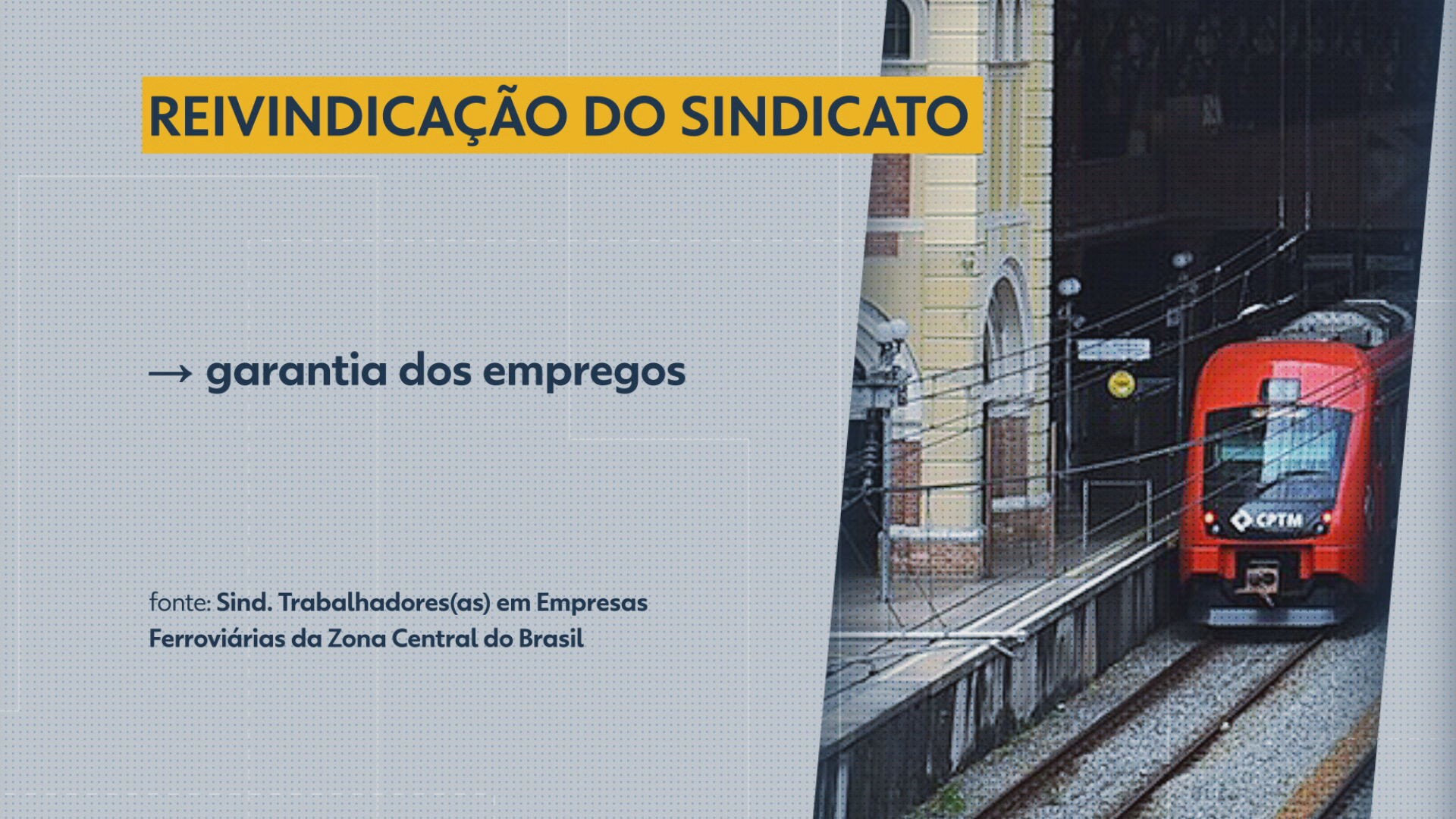
Rail workers in São Paulo initiated a strike on Tuesday, November 4th, protesting the concession of metro lines 11-Coral, 12-Safira, and 13-Jade to the private company Trivia Trens. The employees are demanding the permanent re-municipalization of these lines, a guarantee of employment for all 4,700 CPTM workers, and the approval of Bill 730/2025. This bill, if passed by the State Legislative Assembly (Alesp), would ensure the absorption of CPTM employees by state public administration bodies following concessions. The union has not specified an end date for the strike.
According to the Central do Brasil Railway Workers Union (STEFZCB), only 11% of CPTM employees on the affected lines have been transferred to Trivia Trens. The remaining workers are subject to a voluntary redundancy plan. Trivia Trens states it currently employs approximately 2,400 people, with about 230 (11%) coming from CPTM, and that its new operational staff has undergone extensive training. The São Paulo state government expressed regret over the strike, emphasizing its commitment to job preservation and negotiation, including exploring options like absorption into other public bodies and inclusion in the state's health insurance system. They criticized the union's use of the public as a pressure tool.
The concession of these lines, originally auctioned in March of the previous year to the Comporte Participações group (owner of Trivia Trens), involves a R$14.3 billion investment in infrastructure upgrades. However, Trivia Trens' exclusive operation, which began on July 21st, was marred by failures and delays, including a fire on Line 12-Safira. Consequently, the state's Transport Agency (Artesp) mandated CPTM to retake operation for 90 days while Trivia Trens addresses operational issues. CPTM has been undergoing restructuring, aiming to optimize efficiency and align its workforce with concession models, offering voluntary redundancy and transfers to other public entities.
This labor dispute highlights the inherent tensions between public service provision and private sector involvement in infrastructure. The workers' demand for job security and re-municipalization stems from concerns about the transition process and the potential impact of privatization on employment and service quality, as evidenced by initial operational failures under Trivia Trens. The government's position emphasizes economic efficiency and private investment, while also offering assurances of job preservation through alternative public sector roles. The situation underscores a broader challenge in public transportation management: balancing the benefits of private capital and expertise with the imperative of maintaining public trust, ensuring worker welfare, and guaranteeing consistent service delivery. Future policy decisions will likely need to address more robust frameworks for managing such transitions, including clearer guarantees for existing workforces and more stringent performance metrics for concessionaires, especially in light of evolving urban mobility needs in the coming decade.
AI-generated to prompt reflection — not editorial opinion, not advice, not a statement of fact. How this works.
