São Paulo Reassesses Autism Center Construction Amid Environmental Concerns
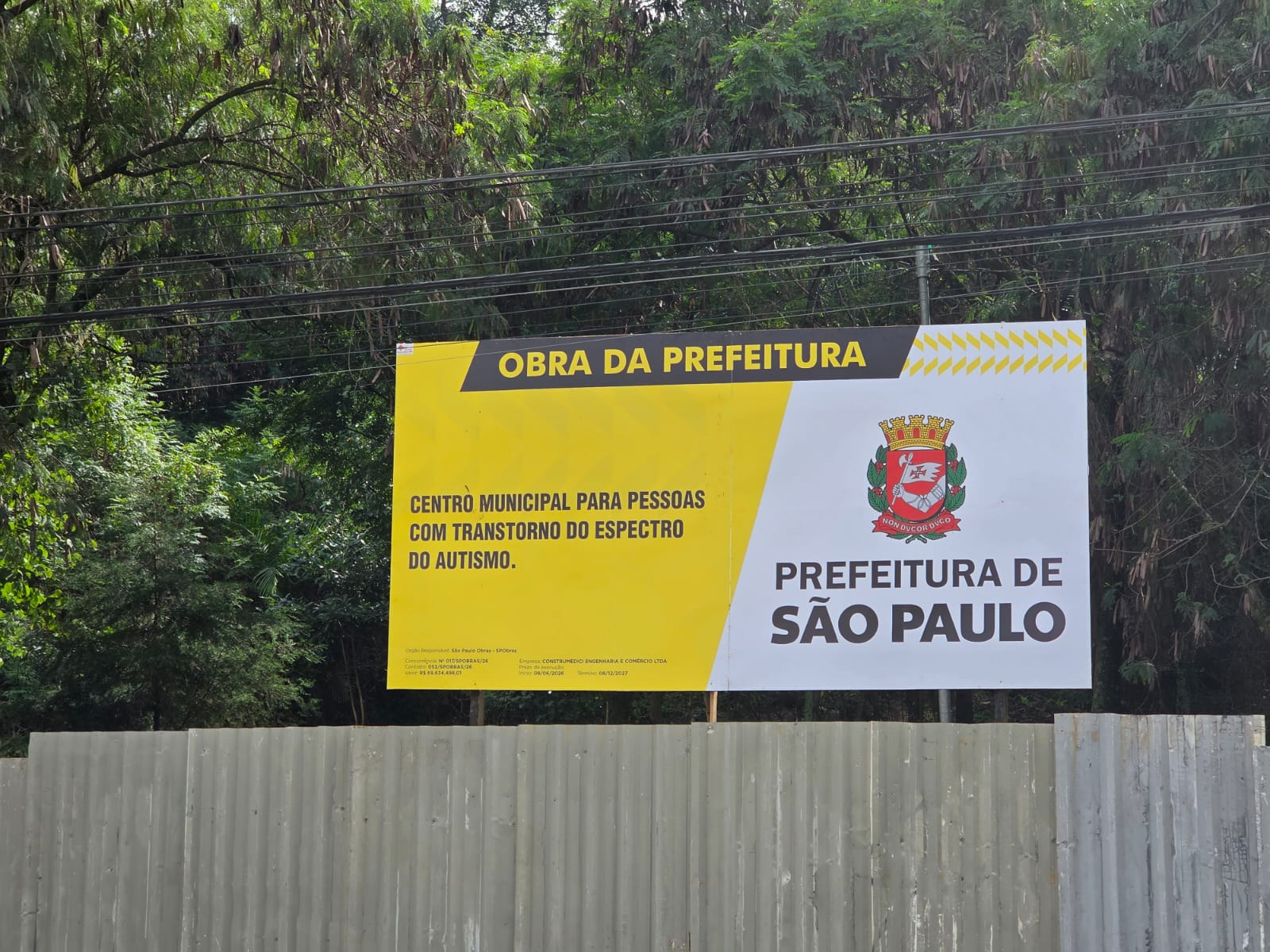
The São Paulo City Hall is reevaluating the construction of a new Autism Spectrum Disorder (TEA) Center in Praça Kaol Sugimoto, located in the Butantã neighborhood of the city's West Zone. The project, initially contracted for R$69 million with Construmedici Engenharia e Comércio, faced immediate criticism from local residents and opposition politicians. Residents are advocating for the preservation of the green space, which includes a fragment of native Atlantic Forest, and urging the city to find an alternative location. The praça is characterized by dense vegetation, serves as a natural drainage area, and is a habitat for wildlife such as marmosets and toucans. A preliminary document indicated the need to remove up to 100 trees, sparking legal action from opposition council members. These lawsuits aim to suspend any intervention until environmental and urbanistic issues are thoroughly examined, with arguments citing federal protection laws for Atlantic Forest vegetation. The city administration, led by Mayor Ricardo Nunes, stated that the project's implementation is under review and no decision has been made regarding vegetation removal. They clarified that current activities involve mapping existing trees as a preliminary study phase. However, residents report that construction materials have already been delivered to the site. The praça's designation has also been altered on the city's geospatial platform, Geosampa. A virtual petition opposing the construction at this site has gathered over 2,200 signatures, with organizers supporting the expansion of autism services but opposing environmental damage.
The São Paulo city government's plan to construct a TEA Center on Praça Kaol Sugimoto presents a complex trade-off between expanding essential public services and preserving a valuable urban green space. The initial contract and preliminary environmental assessments, which suggested potential tree removal, have triggered significant public opposition and legal challenges. This situation highlights a recurring tension in urban development: balancing the immediate needs of the population, such as specialized healthcare facilities, against long-term environmental sustainability and community well-being. The city's stated commitment to environmental preservation, evidenced by planting over 180,000 trees and creating new parks, appears to be in conflict with the proposed development. Future urban planning strategies must integrate robust environmental impact assessments and transparent public consultation processes from the outset to mitigate such conflicts and ensure that infrastructure projects align with both social and ecological imperatives.
AI-generated to prompt reflection — not editorial opinion, not advice, not a statement of fact. How this works.