São Paulo Residents Criticize R$600 Rent Aid for Evictions from High-Risk Areas
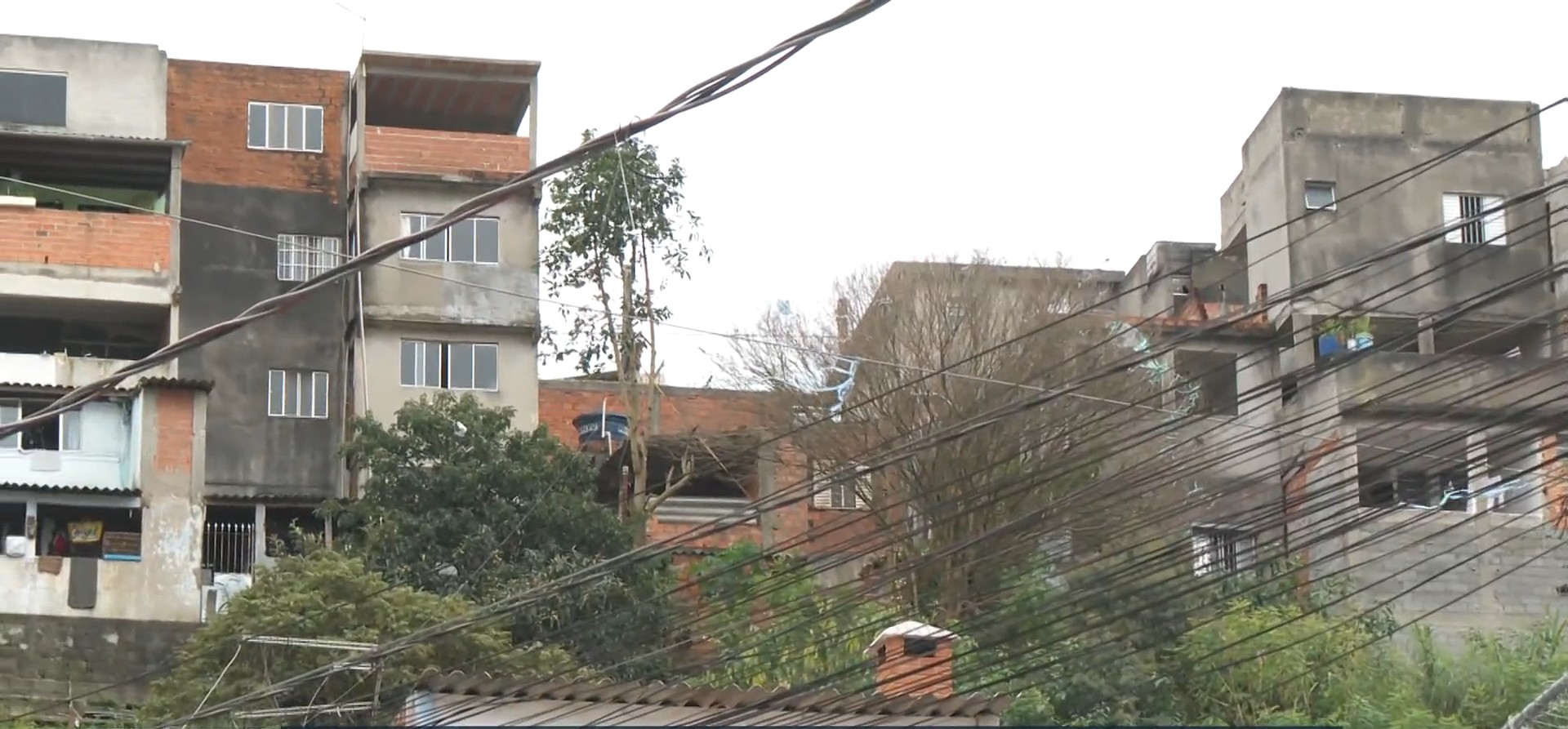
Families living in the Jardim Aurora neighborhood in São Paulo's East Zone are protesting the R$600 monthly rent assistance offered by the city government. This aid is intended for residents who must be relocated due to necessary construction of a retaining wall to mitigate landslide risks. The Defesa Civil identified a significant portion of the neighborhood, home to 16,000 families, as being in a high-risk zone for landslides. Approximately 40 homes on Rua Francisco Bitancur are particularly close to the slope and at risk of collapse. The construction requires the removal of houses situated in the path of the necessary machinery. Residents like Tereza Ferreira express outrage, stating that R$600 is insufficient to rent even a basic dwelling in any part of São Paulo. Data from the FipeZAP Index in April 2026 indicates that a 45 m² two-bedroom apartment in the city averages R$2,889 per month, while a 30 m² one-bedroom unit costs around R$1,926. Demezima Ferreira also criticized the lack of advance notice, suggesting the city had ample time to inform affected families. The city government stated that the Municipal Housing Secretariat met with residents on May 18th to register impacted families and discuss the situation. They confirmed the construction of containment and stabilization works and assured that all affected families would receive rent assistance until a permanent housing solution or compensation for property improvements is provided. The prefecture also noted that thousands of families have been relocated from risk areas since 2021, with over 100 related projects completed.
The São Paulo municipal government's provision of R$600 in rent assistance for families displaced from high-risk geological zones highlights a critical disconnect between public safety mandates and the economic realities faced by vulnerable populations. While the city's efforts to mitigate landslide risks are essential for public well-being, the offered compensation appears inadequate given São Paulo's documented high rental market prices. This situation raises questions about the sustainability and equity of urban development strategies that prioritize infrastructure projects without fully accounting for the financial burden placed on displaced residents. Future urban planning initiatives may need to incorporate more robust social impact assessments and financial support mechanisms to ensure that safety measures do not inadvertently exacerbate housing insecurity or create new forms of economic hardship for low-income communities. The long-term challenge lies in developing integrated solutions that balance infrastructural necessity with social justice and housing affordability.
AI-generated to prompt reflection — not editorial opinion, not advice, not a statement of fact. How this works.