São Paulo Residents Endure Up to 12 Days Without Water After Sabesp Construction
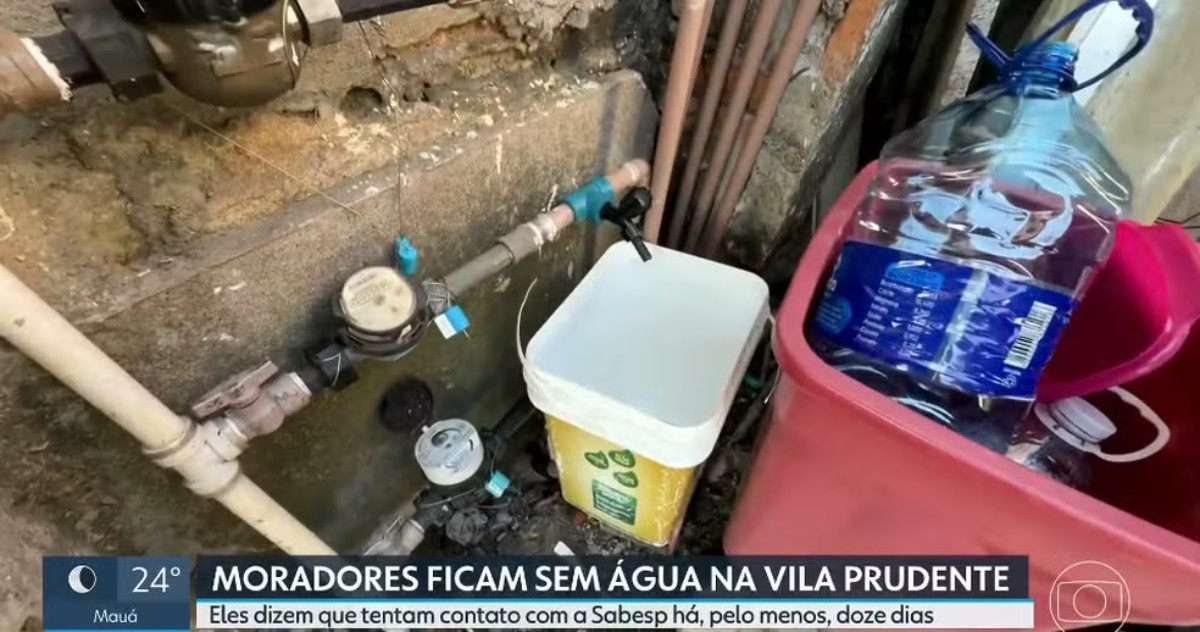
Residents in the Vila Prudente and Vila Bela neighborhoods of São Paulo's East Zone are experiencing severe water shortages, with some reporting no water for up to 12 days. The situation has reportedly worsened significantly following construction work by Sabesp, the state water company, which began approximately one week ago. In the higher elevations of the neighborhood, residents have been without water in their storage tanks for nearly two weeks. The prolonged lack of water is causing significant hardship, particularly for vulnerable populations including the elderly, children, and pregnant individuals. Many residents are forced to resort to basic tasks like bathing and washing dishes using buckets. Some individuals are traveling to other municipalities, such as São Caetano, to access showers. Despite the proximity to the Tamanduateí River, water supply issues have been a long-standing problem, now exacerbated by the recent Sabesp project. Communication from Sabesp has been a point of frustration, with automated systems and a lack of effective resolution for reported issues. Some homes receive water at very low pressure, insufficient to fill storage tanks. Sabesp has stated that a team will be dispatched to investigate and resolve the problem.
This situation highlights a critical infrastructure challenge where essential public services, like water supply, are disrupted by planned works, leading to prolonged hardship for citizens. The residents' accounts suggest a potential disconnect between Sabesp's operational execution and its impact on the community, particularly concerning communication and timely resolution of service interruptions. The automated customer service channels appear insufficient for addressing urgent, localized crises, indicating a need for more responsive and human-centric support mechanisms. Looking ahead, such incidents underscore the importance of robust contingency planning and transparent communication protocols for utility companies undertaking infrastructure projects, especially in densely populated urban areas. Ensuring that essential services remain resilient during maintenance and upgrades is paramount for public well-being and trust in utility providers.
AI-generated to prompt reflection — not editorial opinion, not advice, not a statement of fact. How this works.