São Paulo restaurant transforms healthy food into a social and economic success in the periphery
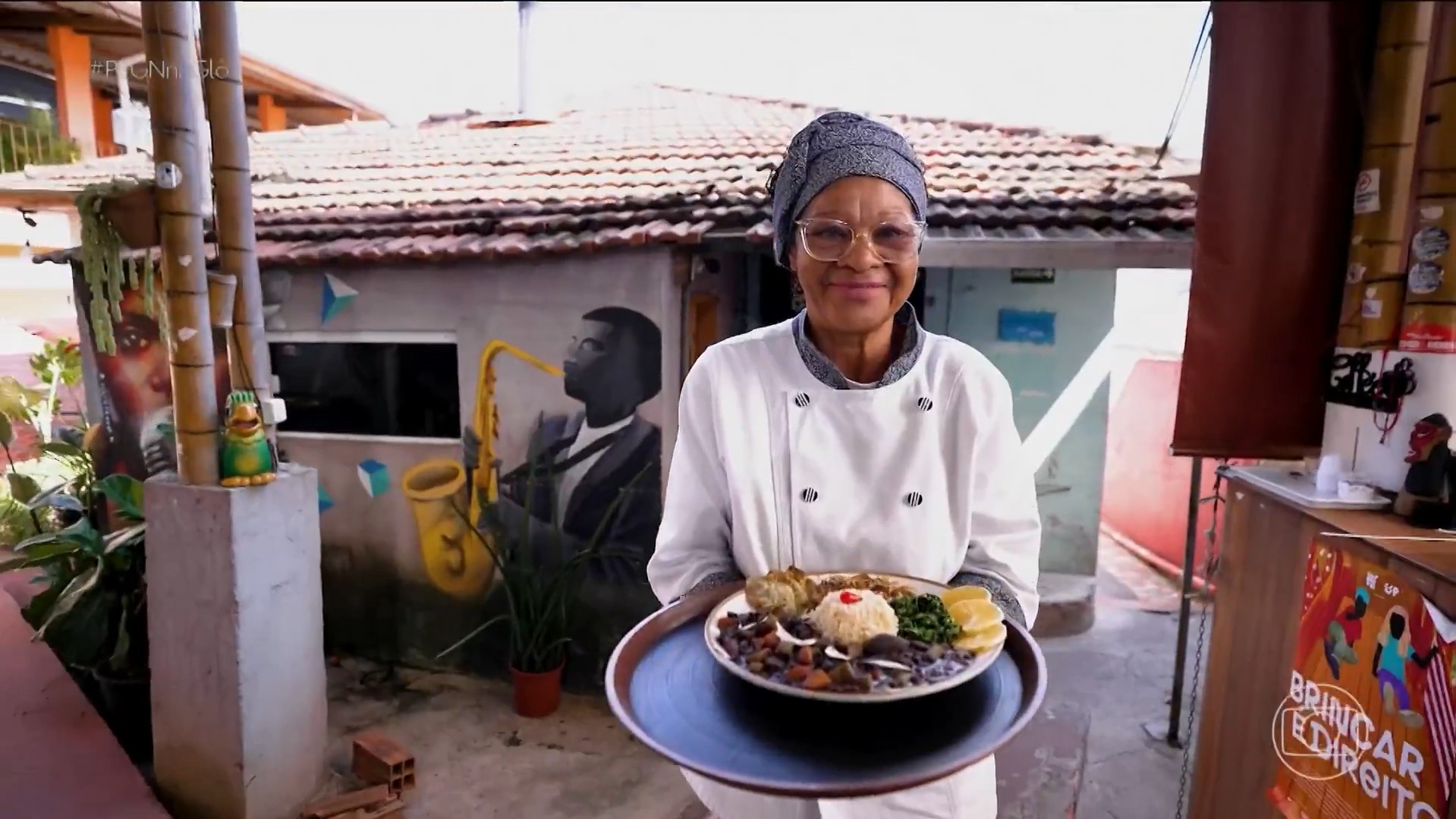
A restaurant in the Campo Limpo neighborhood of São Paulo, Brazil, has become a beacon of healthy and affordable eating, blending culinary innovation with social impact. What began as a small food stall, founded by Thiago Vinícius and his mother, known as Tia Nice, has evolved into a respected eatery. Tia Nice, with her extensive background in vegetarian cuisine and a passion for natural ingredients, leads the kitchen, emphasizing fresh produce and homemade seasonings over artificial additives. She previously worked in upscale vegetarian establishments and owned a bar before returning to her roots to build this community-focused business with her son.
The restaurant, initially seating only a few patrons, now accommodates up to 50 guests and offers dine-in, delivery, and catering services. With an initial investment of R$80,000, the business now achieves a monthly revenue of R$40,000, maintaining an average ticket price of R$19.90. A signature dish, the vegetarian feijoada made with organic ingredients from local producers, sells around 150 portions on Saturdays. The establishment is actively working to counter negative stereotypes associated with peripheral communities, aiming to showcase them as places of opportunity and positive development.
Beyond its culinary achievements, Organicamente Rango, as the restaurant is known, significantly contributes to the local economy. Despite facing structural challenges common in peripheral areas, such as limited access to credit and infrastructure, the business thrives. Its success has attracted attention from renowned Brazilian chefs like Rodrigo Oliveira, Bela Gil, and Alex Atala, who have visited to experience the unique offerings. Thiago Vinícius expressed a vision for the restaurant to serve as an inspiration for other marginalized communities, fostering a ripple effect of positive change.
This case study highlights the potent synergy between accessible, healthy food offerings and community empowerment in urban peripheries. The venture demonstrates how a focus on natural ingredients and affordability can disrupt traditional market dynamics, creating both economic value and social capital. By leveraging familial culinary expertise and addressing a clear market need, the restaurant not only achieves financial success but also actively challenges negative perceptions of its neighborhood. Future growth may involve scaling operational efficiencies, exploring partnerships for broader distribution, and potentially developing educational components around nutrition and sustainable food systems, further solidifying its role as a community anchor and a model for inclusive entrepreneurship in the next decade.
AI-generated to prompt reflection — not editorial opinion, not advice, not a statement of fact. How this works.