São Paulo's Canyons: Millions of Years of Natural Heritage in Southwestern SP
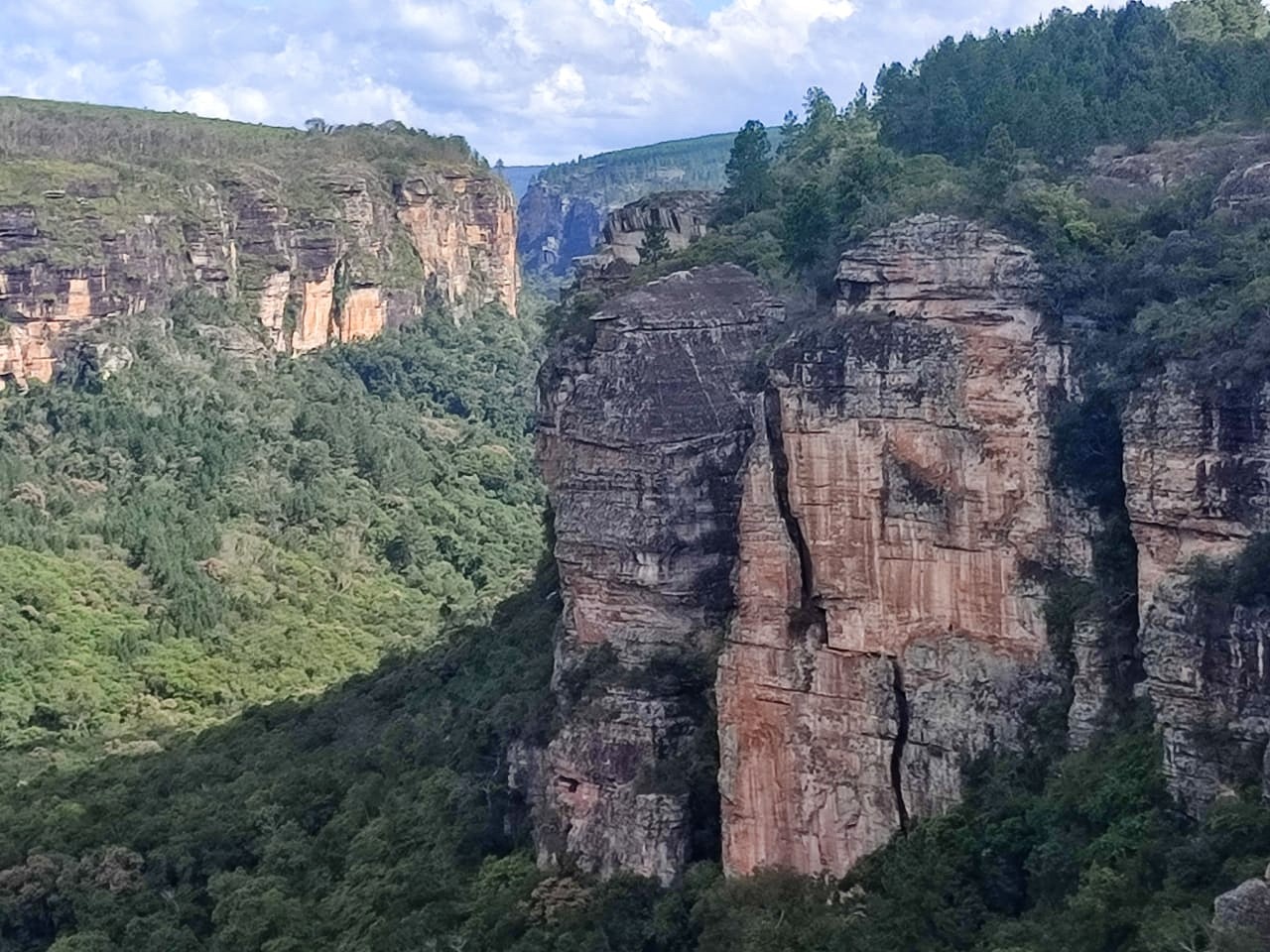
The southwestern region of São Paulo, Brazil, is home to remarkable natural canyons formed over millions of years. This area, encompassing municipalities like Bom Sucesso de Itararé, Itaberá, Itapeva, Itararé, Nova Campina, Ribeirão Branco, and Taquarivaí, boasts stunning landscapes featuring waterfalls, rivers, ravines, and cliffs. Beyond its natural beauty, the territory holds significant historical and cultural value, characterized by ancient structures, local crafts, and traditions that preserve its identity. Since 2022, the Cânions Paulistas association has been actively working to preserve and promote this legacy through initiatives such as restoring historic buildings, establishing cultural spaces, and organizing events. Geologist Victoria Gomes explains that the sandstone rocks, dating between 410 and 390 million years old, originated from accumulated sediments in an ancient sedimentary basin. These formations, known popularly as the Devonian Escarpment, were later sculpted by natural forces like rivers, wind, and weathering into the landscapes seen today. The term "escarpment" refers to the landform, while "Devonian" indicates the rock's age, and this geological feature extends approximately 260 kilometers into Paraná state. Environmental engineer Regina Celia Negrão Machado highlights the region's unique position as a transition zone between the Cerrado and Atlantic Forest biomes, creating a rich biodiversity gradient due to varying altitudes, from 700 to 1,300 meters. This environmental diversity supports a range of vegetation, including remnants of both biomes and endemic plant species. The area also hosts significant wildlife, though its habitat is increasingly threatened by pine silviculture, impacting large mammals like jaguars and maned wolves. Archaeological evidence, including arrowheads and cave paintings, points to prehistoric human occupation, though this heritage remains largely underexplored and unpublicized, with many sites located on private properties. The region's natural resources, including preserved rivers and waterfalls, offer considerable tourism potential, but visitors are advised to exercise caution and respect environmental preservation rules, ideally accompanied by local guides.
The geological and ecological significance of the São Paulo canyons is substantial, representing a deep history of natural processes and biodiversity. The region's unique position between biomes and its varied topography create a rich gradient of life, yet this very richness faces pressure from land-use changes, particularly silviculture, which threatens wildlife habitats. The underexplored archaeological heritage suggests a long human presence, highlighting a potential disconnect between the recognition of natural and cultural assets. Future conservation and tourism strategies should aim to integrate these diverse values, fostering local stewardship and sustainable economic development. The challenge lies in balancing preservation with accessibility and ensuring that the economic benefits of tourism contribute to the long-term protection of this multifaceted natural and cultural landscape.
AI-generated to prompt reflection — not editorial opinion, not advice, not a statement of fact. How this works.