São Paulo's Evolving Electorate: Demographics Shift Since Redemocratization
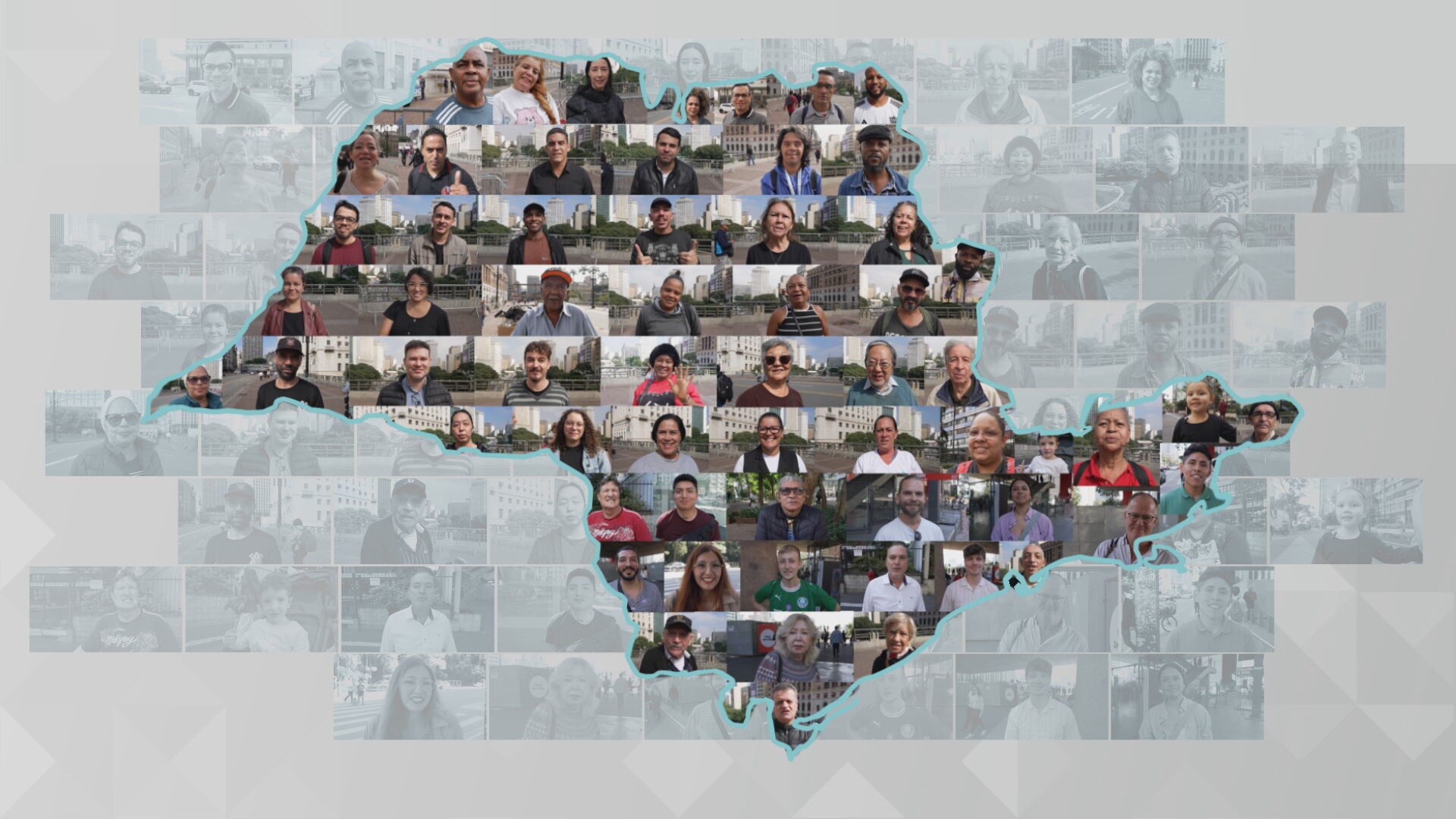
São Paulo, Brazil's largest electoral college, now has over 34 million voters, representing 22% of the national electorate. Women constitute the majority of voters in the state, numbering 18.22 million, or 53%. Since the return to democracy, São Paulo's population has grown by over 14 million to 46 million residents. A key transformation is the demographic shift: the population is aging rapidly, with the proportion of children and adolescents decreasing from 40% to 24%, while the elderly population has tripled from 2.4 million to 7.6 million, now nearly matching the number of young people. This trend is attributed to falling fertility rates and increased longevity, supported by advancements in public health systems like SUS, better access to medication, and improved social indicators such as sewage network coverage. Fertility rates have declined, with over 65% of women having at most two children, and the proportion of single-child families increasing. Household structures have also changed, with nearly half of homes now having only one or two residents, and a significant rise in single-person households from 7% to 19.2% since 1991. The state has also become more diverse racially and religiously. The proportion of residents identifying as Black or mixed-race has increased from 25% to 40%, while the Catholic population has decreased from 80% to 50%, with significant growth in Evangelical and non-religious affiliations. While São Paulo continues to attract migrants, the proportion of native-born residents has increased to 79.7%. The state faces challenges in adapting public policies to these demographic shifts, particularly in balancing resources for an aging population with the needs of younger generations and low-income groups, requiring adjustments in healthcare, mobility, and urban infrastructure.
The demographic shifts in São Paulo, including an aging population, declining fertility, increased diversity, and changing household structures, reflect broader national and global trends driven by socioeconomic development and improved public health. These transformations present a complex challenge for public policy, requiring a delicate balance between investing in the needs of an expanding elderly demographic and continuing to support younger generations and vulnerable populations. The analysis highlights the critical need for data-driven policy-making to efficiently allocate resources across sectors like healthcare, urban planning, and social services. Future policy frameworks must anticipate the long-term implications of these demographic changes, fostering adaptive infrastructure and social support systems to ensure equitable well-being and economic sustainability in an evolving society.
AI-generated to prompt reflection — not editorial opinion, not advice, not a statement of fact. How this works.
