São Paulo's Interior Faces Low Humidity Alert from Civil Defense
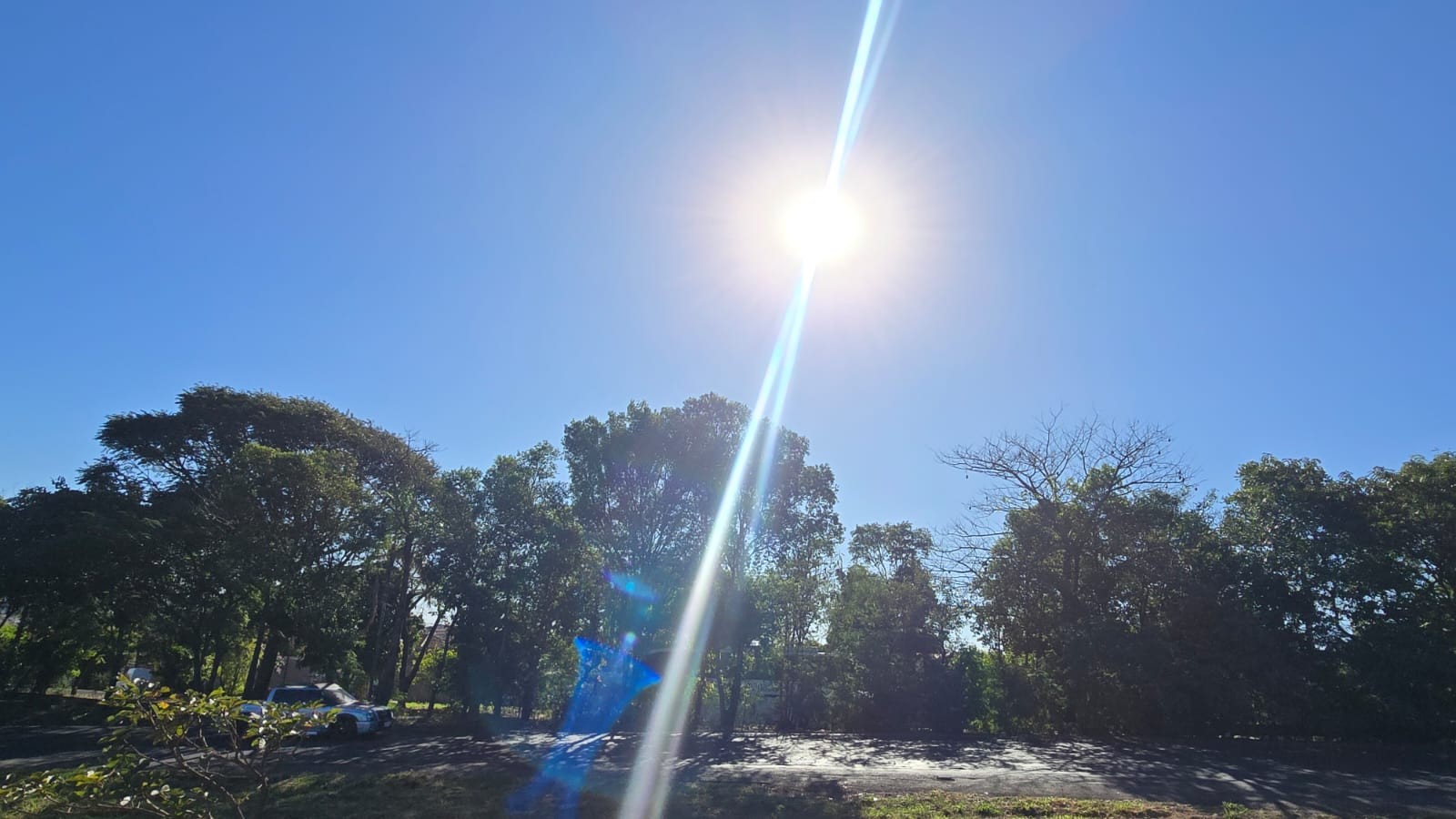
Cities in the central-west and northwest regions of São Paulo, including Bauru and São José do Rio Preto, have received alerts from the state's Civil Defense due to critically low air humidity. The initial alerts, issued on Sunday, February 19th, began around 2:10 PM for areas like Jales and José Bonifácio, extending to Ariranha and neighboring towns. The Campinas region and the state capital also received warnings. By 2:20 PM, new alerts covered Ibitinga and Barra Bonita, where humidity levels dropped below 30%. A subsequent alert at 3:10 PM targeted the Tupã and Marília regions, encompassing surrounding municipalities. These warnings were disseminated by the Emergency Management Center (CGE), advising residents to increase fluid intake and avoid outdoor physical activities during the hottest, driest parts of the day. This dry spell is attributed to an atmospheric block causing unseasonably warm weather, a condition expected to persist. Temperatures will remain above average for this time of year, with dry conditions and low humidity, especially in the afternoons, leading to significant daily temperature fluctuations. The Civil Defense, represented by Lieutenant Ludmyla Alcantara, noted this follows a period of severe cold. The dry weather, coupled with dry vegetation, elevates the risk of wildfires, prompting warnings against burning and discarding cigarette butts in vegetated areas. Residents are urged to stay hydrated, limit sun exposure, and humidify indoor environments. The Civil Defense continues to monitor the situation and can be reached via SMS by sending a CEP to 40199 for alerts, or by calling 199 for emergencies.
The issuance of Civil Defense alerts for low air humidity in São Paulo highlights the intersection of climate patterns and public health infrastructure. The event underscores the vulnerability of regions experiencing atmospheric blocking phenomena, which can lead to prolonged dry spells and elevated temperatures, exacerbating health risks and fire hazards. This situation prompts consideration of adaptive strategies, such as public awareness campaigns on hydration and activity modification, and potentially infrastructure investments in weather monitoring and early warning systems. As climate variability potentially increases, understanding the systemic risks associated with extended dry periods and their impact on public well-being and environmental safety becomes crucial for long-term resilience planning.
AI-generated to prompt reflection — not editorial opinion, not advice, not a statement of fact. How this works.