São Paulo's Line 6-Orange Metro Opens Amidst Election Ad Restrictions
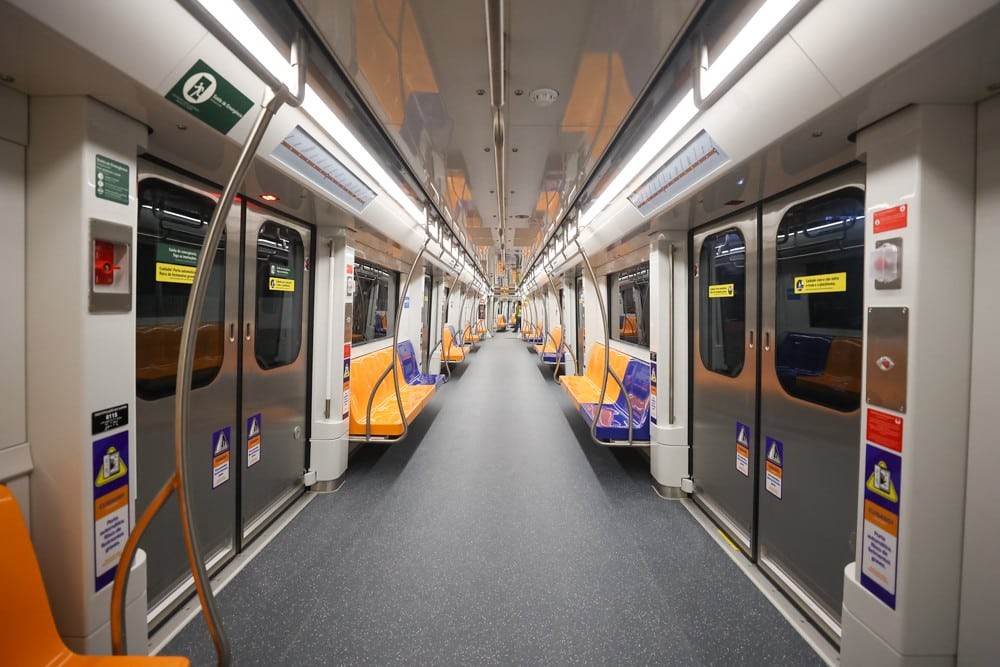
The Line 6-Orange metro line in São Paulo is set to begin operations on Thursday, October 2nd, nearly 18 years after its initial announcement. The inauguration occurs just two days before stricter rules on institutional advertising related to public officials and pre-candidates take effect. These new regulations, imposed by the Superior Electoral Court (TSE), prohibit the promotion of public works and programs that could benefit candidates in the lead-up to the first round of elections, scheduled for October 4, 2026. Initially, six stations will be operational, providing a connection to the Line 7-Ruby. The first phase will link the João Paulo I and Perdizes stations. Service will be limited to weekdays, from 10 AM to 3 PM, with no fares charged during this introductory period. The concessionaire has stated that the operation will be assisted, featuring two trains running in a round-trip system at a reduced speed of approximately 30 km/h. The estimated travel time for this initial segment is around 20 minutes. This project has faced numerous delays and setbacks over its nearly two-decade history, including consortium changes and a tunnel-boring machine incident. The public now awaits information on the timeline for the remaining stations and the line's full operational capacity. The new line will utilize larger trains capable of carrying up to 2,044 passengers, an increase of about 28% compared to conventional trains on other São Paulo metro lines, while maintaining the same number of cars. These trains will also offer more side seating and improved internal space. A recently released state government map of metro and CPTM lines contained errors, notably reversing the order of the Marechal Deodoro and Santa Cecília stations on Line 3-Red. Following public criticism, the map has since been corrected.
The inauguration of São Paulo's Line 6-Orange metro line, occurring just before electoral advertising restrictions take effect, highlights the complex interplay between infrastructure development and political calendars. The timing suggests a strategic effort to showcase public works progress prior to limitations on government-sponsored publicity, potentially influencing public perception of incumbent officials. The line's long gestation, marked by significant delays and consortium changes, underscores systemic challenges in large-scale public infrastructure project management, including planning, financing, and execution. The introduction of higher-capacity trains points to an evolving urban mobility strategy aimed at addressing growing passenger demand, a critical consideration in the context of increasing urbanization and the demands of the AI era on transportation networks. The correction of the erroneous metro map demonstrates a responsiveness to public feedback, though it also raises questions about internal quality control processes within public administration.
AI-generated to prompt reflection — not editorial opinion, not advice, not a statement of fact. How this works.