São Paulo's Line 6-Orange Opens Friday With Incomplete Stations Amid Ongoing Construction
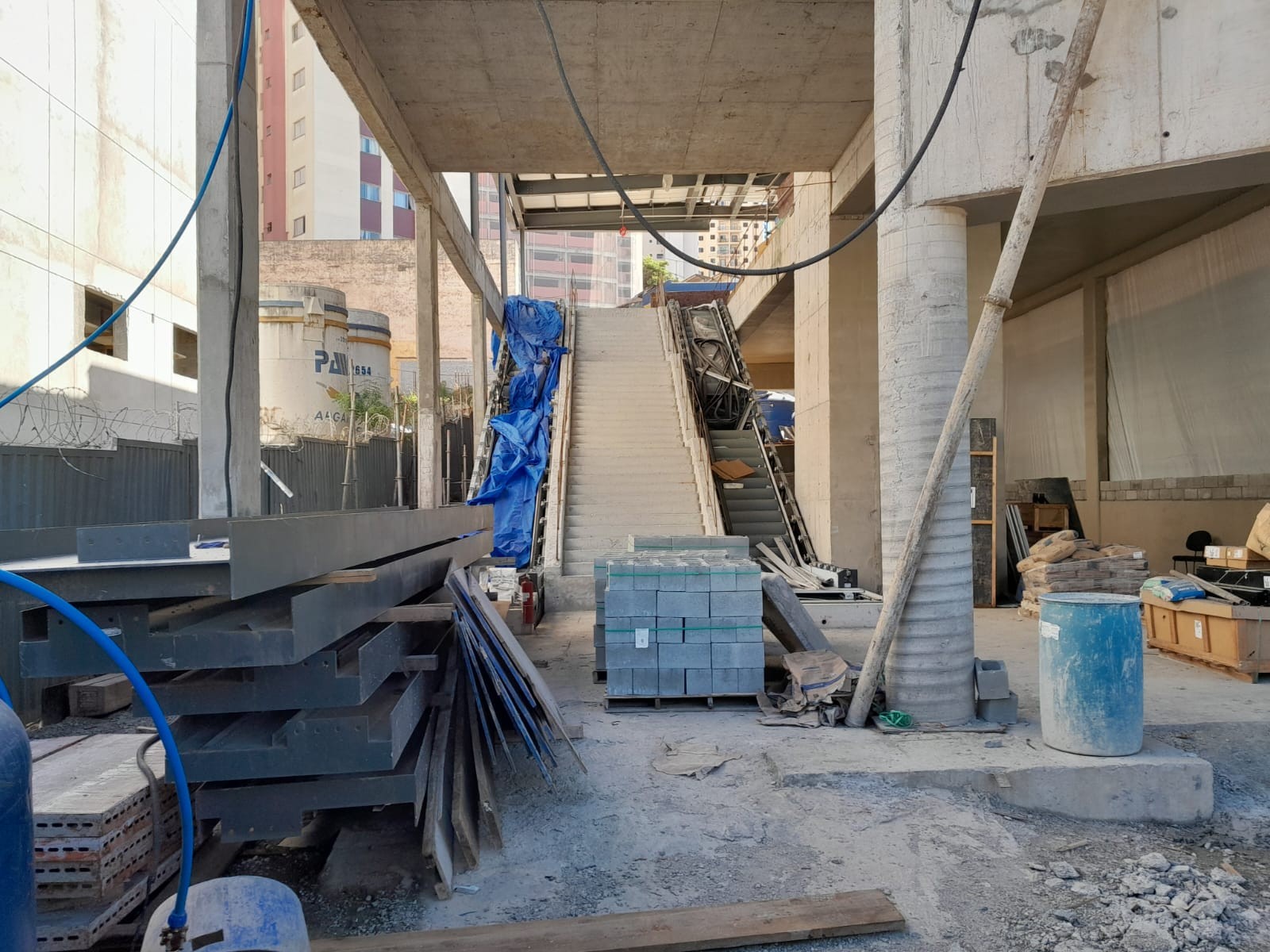
São Paulo's Line 6-Orange will open to the public this Friday, October 3rd, operating on a reduced schedule and with ongoing construction at all six stations. Governor Tarcísio de Freitas officially inaugurated the line on Thursday, October 2nd, just before an electoral deadline for such events. However, the Spanish concessionaire Acciona, responsible for the line's construction, confirms that none of the stations are 100% complete. The Água Branca station, the most advanced at 98% completion, still lacks integration with the CPTM, forcing passengers to walk outdoors between Line 6-Orange and Line 7-Rubi. The Sesc Pompeia station is the least complete, with only 85% of its works finished, yet it will also open to the public. Other stations report completion rates of 95% (Santa Marina), 94% (Perdizes), 93% (João Paulo I), and 90% (Freguesia do Ó). Images from the eve of the inauguration showed unfinished stairs, exposed bricks, and metal components. During the inaugural trip between Santa Marina and João Paulo I, unfinished elements like station coverings and non-installed escalators were visible. Originally, the first section was slated for delivery in October, but contractual changes and a R$3.6 billion payment to Acciona last year prompted an acceleration of the schedule. Governor Freitas defended the early opening, citing potential revenue generation and reduced costs for the state.
The early opening of São Paulo's Line 6-Orange, despite significant ongoing construction, highlights a tension between political timelines and project completion. The acceleration of the schedule, facilitated by a substantial financial incentive to the concessionaire, suggests a prioritization of public demonstration of progress over full operational readiness. This approach, while potentially generating early revenue and fulfilling electoral commitments, introduces risks related to passenger safety, usability, and long-term project integrity. Future infrastructure projects may benefit from clearer frameworks that balance the need for timely delivery with robust quality assurance, ensuring that public access does not compromise the intended functionality and user experience, especially as urban transit systems become increasingly complex and integrated.
AI-generated to prompt reflection — not editorial opinion, not advice, not a statement of fact. How this works.