São Paulo's Metro Stations Now Distribute HIV Prevention Pills, Becoming a Global Model
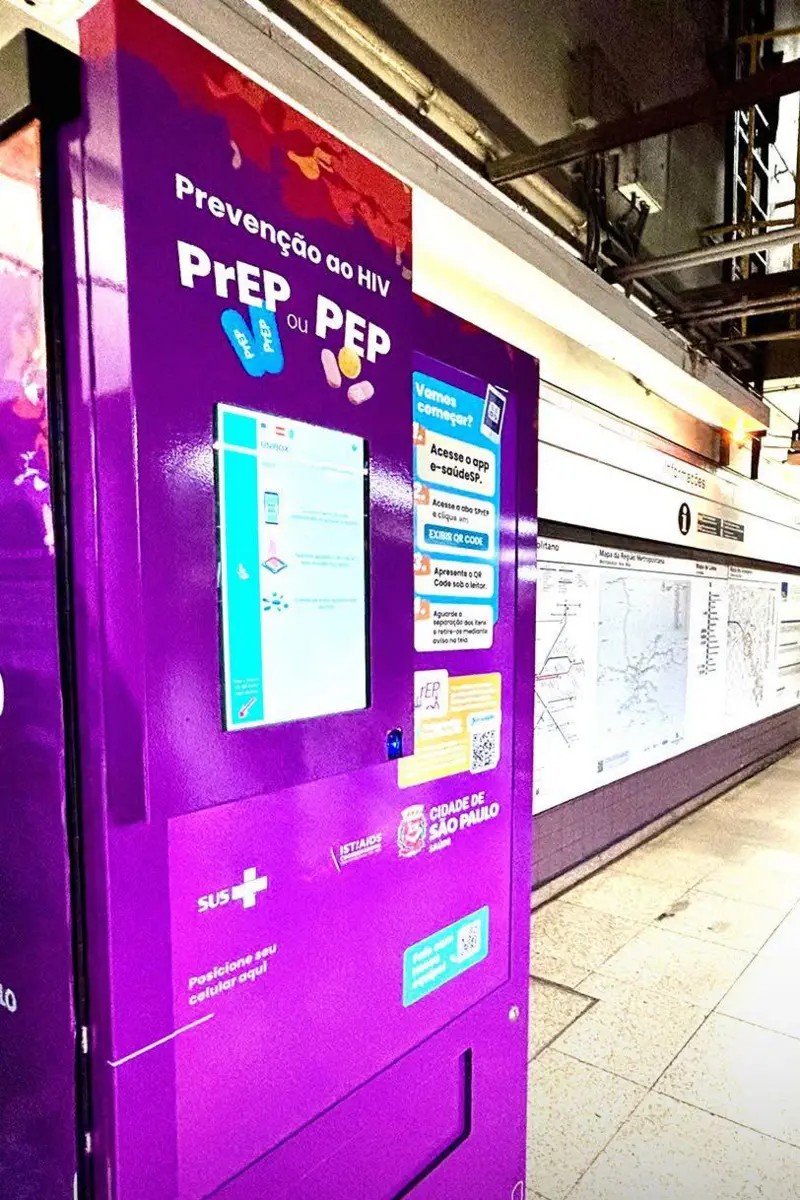
São Paulo, Brazil, has implemented a groundbreaking initiative allowing residents to obtain PrEP and PEP, medications that significantly reduce the risk of HIV infection, directly from public transport stations. This makes it the only city globally to offer such convenient access to these life-saving drugs. The program, spearheaded by Maria Cristina Abbate, coordinator of the Municipal Program for STIs/Aids, aims to integrate health services into people's daily routines, removing the need to visit traditional health units. While not a substitute for condoms, PrEP and PEP offer an additional layer of protection against HIV, contributing to a substantial decrease in new infections. A study in The Lancet HIV indicated that widespread PrEP implementation was associated with a roughly 40% reduction in HIV transmissions. Medications are available at busy metro stations like Brás, Consolação, Luz, Santana, and Vila Sônia, with users able to collect enough for several months. This innovative approach, lauded internationally and featured in publications like The Telegraph, addresses stigma and accessibility barriers associated with HIV prevention. Despite its success, the Brazilian Ministry of Health has stated it will not expand the metro station model nationwide, citing sustainability concerns and costs incompatible with the national health system. However, São Paulo's initiative has led to approximately 15,000 dispensations since June 2024, with around 85,000 individuals having used these medications in the city. The program has seen a 15% increase in users and a 53% cumulative drop in new HIV cases since 2016, with young adults aged 15-29 being the primary users of the metro machines.
São Paulo's innovative approach to HIV prevention, integrating medication distribution into the public transit system, highlights a critical shift towards proactive and accessible public health strategies. By decentralizing access and leveraging existing infrastructure, the city effectively mitigates barriers such as stigma, inconvenient clinic hours, and geographical distance, particularly for vulnerable populations. This model demonstrates how public-private partnerships and technological integration, such as the e-saúdeSP app and dispensing machines, can enhance health outcomes. The initiative's success, evidenced by reduced transmission rates and increased uptake among key demographics, underscores the importance of user-centered design in public health policy. However, the Ministry of Health's reluctance to replicate this model nationally, citing cost, suggests a broader systemic challenge in balancing innovative, localized solutions with the fiscal realities and established protocols of a large, centralized healthcare system like Brazil's SUS. This creates a divergence between proven localized effectiveness and national scalability, prompting a re-evaluation of resource allocation and implementation strategies for public health initiatives in the coming decade.
AI-generated to prompt reflection — not editorial opinion, not advice, not a statement of fact. How this works.