São Paulo's New Metro Line 6-Laranja Opens Without Direct Connection to Line 7-Rubi
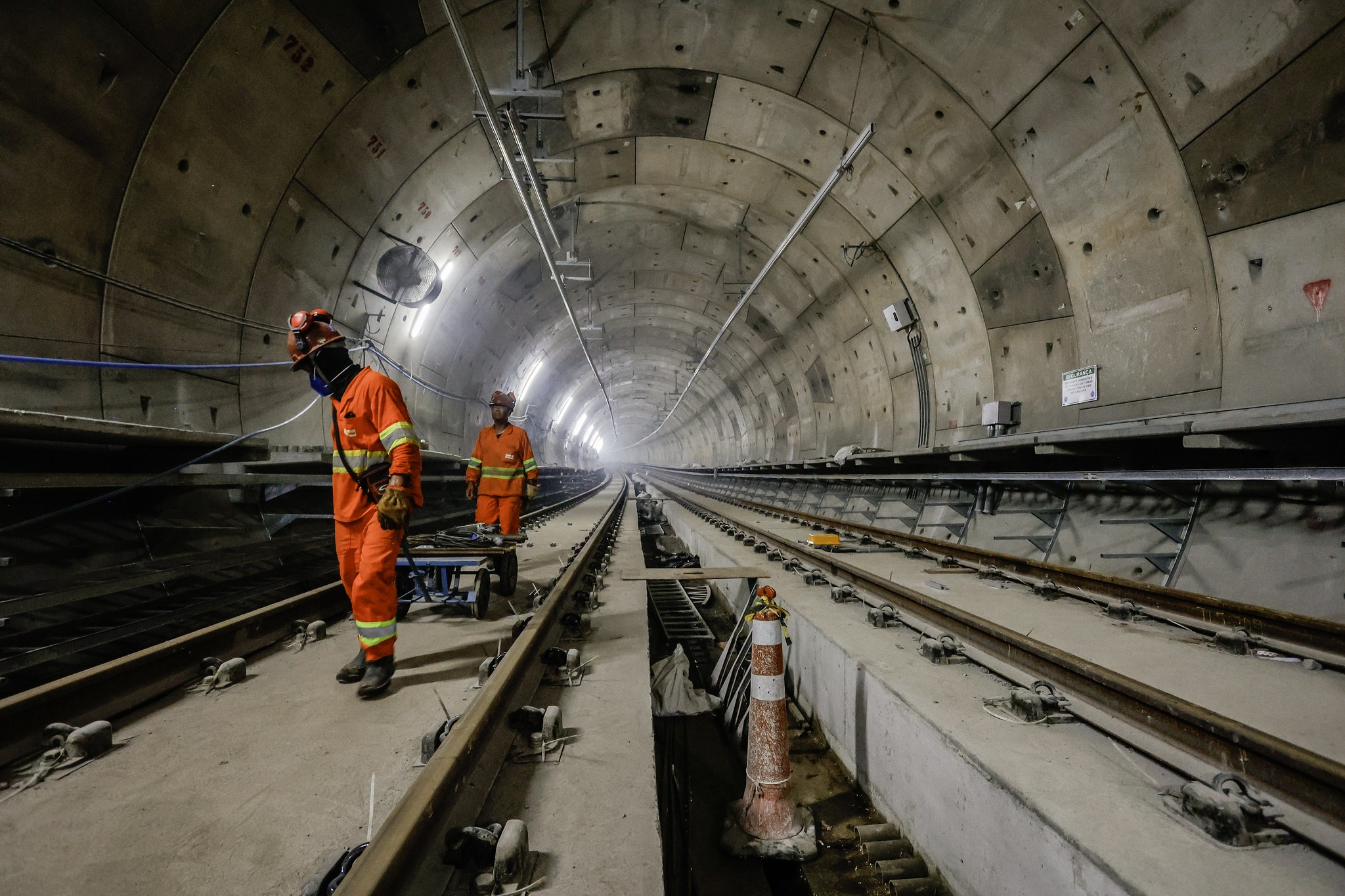
São Paulo's government has inaugurated six stations of the Line 6-Laranja metro line, nearly 18 years after construction began. Despite the long wait, the new line does not feature a direct connection to Line 7-Rubi, operated by Tic Trens. Passengers will need to exit Água Branca station on Line 6-Laranja, cross the street, and enter the similarly named station on Line 7-Rubi to transfer. The administration of Governor Tarcísio de Freitas has not provided a timeline for the completion of the underground connection between the two lines. The entire 15-station section of Line 6-Laranja is expected to be delivered by the end of 2027 and will be operated by LinhaUni, a consortium including Acciona, Stoa, and Societé General. Initially, Line 6-Laranja will operate from Monday to Friday, 10 AM to 3 PM, excluding holidays, with free fares. This initial phase will feature two trains running on a round-trip basis at approximately 30 km/h, with an estimated travel time of 20 minutes. While the initial access to Line 6-Laranja stations is free, transfers to Line 7-Rubi will incur a fare. The Água Branca station on Line 6-Laranja is now the deepest operational station in Latin America, reaching a depth of 47.8 meters, surpassing Santa Cruz station's 41.5 meters. The first operational segment connects João Paulo I and Perdizes stations. Once fully completed, Line 6-Laranja will link Brasilândia in the North Zone to São Joaquim in the city center, reducing travel time from 1 hour and 30 minutes by bus to approximately 23 minutes. The line is a R$ 19 billion public-private partnership between the state government and LinhaUni. Future plans include integration with the Trem Intercidades, connecting Campinas and São Paulo.
The delayed opening of São Paulo's Line 6-Laranja, particularly its lack of immediate integration with Line 7-Rubi, highlights common challenges in large-scale urban infrastructure projects, especially those involving public-private partnerships. The significant depth of the new stations, while an engineering feat, may also contribute to higher long-term maintenance costs and operational complexities. The phased opening and initial free service suggest a strategy to manage public expectations and operational rollout, but the necessity for passengers to cross a street for transfers points to potential inefficiencies and safety concerns. Looking ahead, the success of this line will depend not only on the eventual completion of all connections but also on its ability to integrate seamlessly into the broader metropolitan transit network, offering a reliable and efficient alternative to existing modes of transport and justifying the substantial R$ 19 billion investment.
AI-generated to prompt reflection — not editorial opinion, not advice, not a statement of fact. How this works.